
2022 Trucks For Sale in Washington
Browse 2022 trucks for sale in Washington, including sleeper, day cab, dump, and vocational models with modern powertrains and safety tech.
Learn more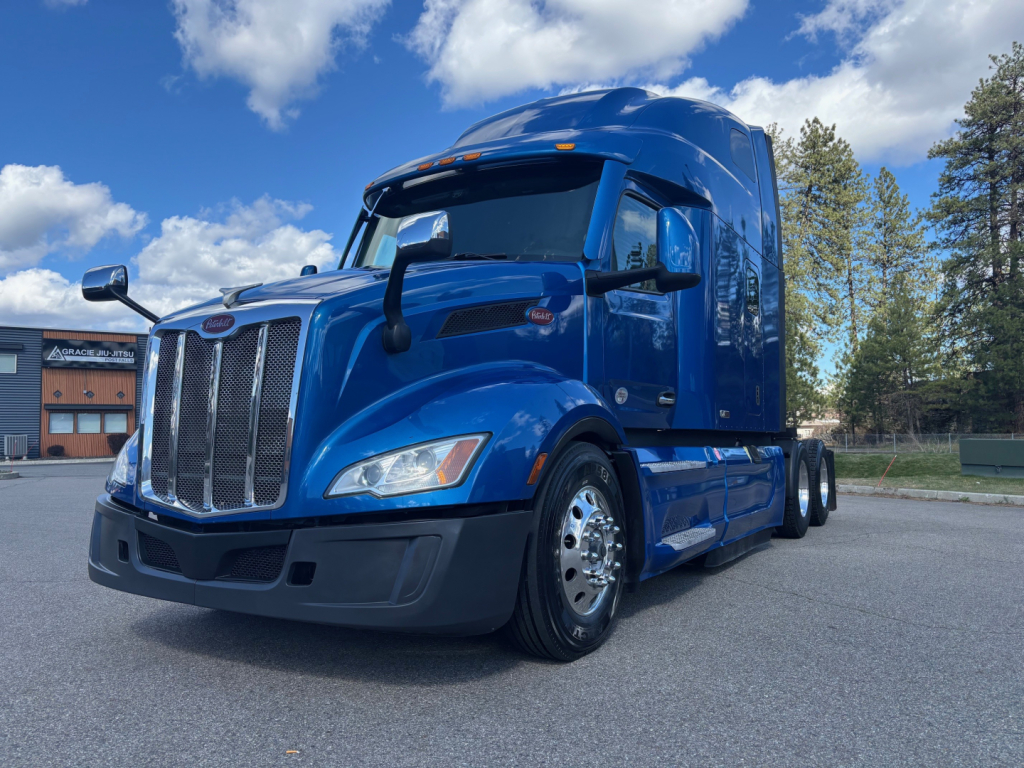

Have 2022 truck to sell? List it here to reach thousands of buyers.
About 2022 Trucks in Washington
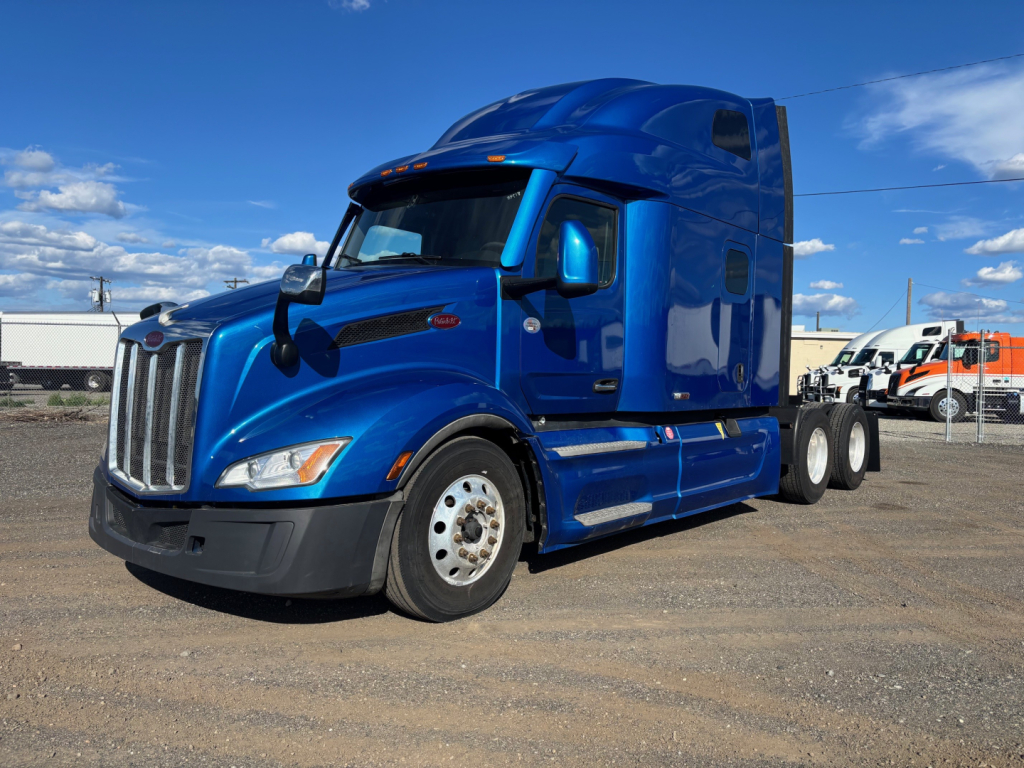
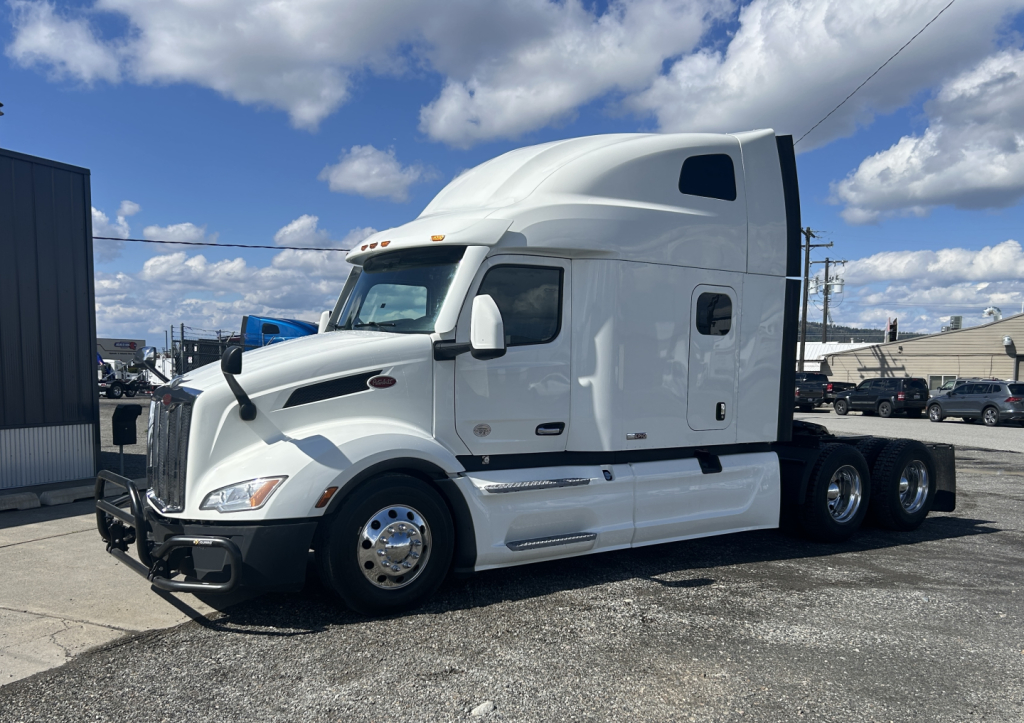
For over-the-road use, many 2022 highway tractors were spec'd with automated manual transmissions, aerodynamic packages, and downsped drivetrains built around efficiency. Common engines in this age range include 11- to 15-liter diesels from Volvo, Cummins, Detroit, Paccar, and Mack, often paired with 12-speed automated transmissions and rear axle ratios in the fuel-economy range. Buyers comparing sleeper and day cab trucks should pay close attention to wheelbase, fuel capacity, front axle rating, and suspension type, along with driver-assist features like adaptive cruise, collision mitigation, lane departure warning, and integrated tire pressure monitoring. On the sleeper side, roof height, bunk layout, inverter prep, idle management, and fairing condition matter just as much as engine hours and service history.
Vocational 2022 trucks bring a different set of priorities. Dump trucks, plow-prepped units, and PTO-equipped chassis need the right transmission programming, axle ratings, frame strength, and suspension for stop-and-go or off-pavement work. In a state like Washington, corrosion exposure, wet jobsite conditions, and seasonal mountain use make tire spec, brake type, locking differentials, and body or upfit condition especially important. If the truck is intended for construction, municipal, or regional haul work, look closely at PTO provisions, hydraulic setup, wheel cut, bridge-law friendly axle spacing, and whether the truck was ordered with vocational cooling, heavier front ends, or severe-service components.
The best 2022 truck is the one with a spec that matches the lane it will run. A highway tractor built for low-RPM fuel economy can be an excellent regional freight truck, but it may not be ideal for heavy vocational service. A dump or severe-duty chassis can be highly productive, but operating costs, ride quality, and empty-weight penalties differ from a linehaul tractor. Buyers should evaluate engine hours, maintenance records, aftertreatment service, brake and tire life, fifth wheel or body setup, and any telematics or warranty carryover that may still apply. On a 2022 unit, the spec sheet tells you a lot, but the real value is in how well that spec matches the work.
Frequently Asked Questions
What are the main advantages of buying a 2022 truck?
A 2022 truck typically offers a useful middle ground between late-model technology and lower acquisition cost than a new unit. Many trucks from this model year include modern automated transmissions, improved aerodynamic designs, current emissions hardware, and driver-assist systems such as collision mitigation and lane support. For many buyers, that means better fuel efficiency, easier driver onboarding, and stronger resale appeal compared with older equipment.
What should I check first on a used 2022 semi truck or vocational truck?
Start with the truck’s application-related specs, then verify condition. Engine make and horsepower, transmission type, axle ratings, wheelbase, rear ratio, suspension, and GVWR should all line up with the job. After that, review service records, engine hours, idle hours, aftertreatment history, brake wear, tire condition, and any signs of frame damage or corrosion. On vocational trucks, also inspect PTO operation, hydraulic components, and body or upfit condition.
Are 2022 trucks in Washington commonly equipped for regional and mountain operation?
Many are, but the spec matters more than the model year. Trucks operating in Washington are often selected with features that suit hills, wet roads, and mixed regional freight, such as higher-capacity engine brakes, traction-friendly suspension setups, and driver-assist technology. Buyers should still confirm axle ratio, horsepower, torque rating, tire spec, and brake configuration if the truck will regularly run mountain passes, logging roads, or winter conditions.
Is a 2022 sleeper truck better than a 2022 day cab for most buyers?
Neither is better across the board. A 2022 sleeper is usually the better choice for long-haul or multi-day runs because it adds bunk space, larger fairings, and often greater fuel capacity. A 2022 day cab is often the better fit for local, port, drayage, and regional work where lower weight, easier maneuverability, and simpler spec are more valuable. The decision should be driven by route length, payload needs, and driver requirements.
Do 2022 vocational trucks differ much from 2022 highway tractors?
Yes, often significantly. A 2022 vocational truck is usually built around durability, low-speed performance, PTO compatibility, and higher front axle or frame capacity. A 2022 highway tractor is generally optimized for fuel economy, ride quality, and sustained road speed. Even when two trucks share a similar engine family, the transmission programming, suspension, axle setup, and chassis design can be very different, so buyers should avoid assuming one can easily substitute for the other.