
2021 Commercial Trucks For Sale in Washington
Have 2021 commercial truck to sell? List it here to reach thousands of buyers.
2021 Commercial Trucks in Washington
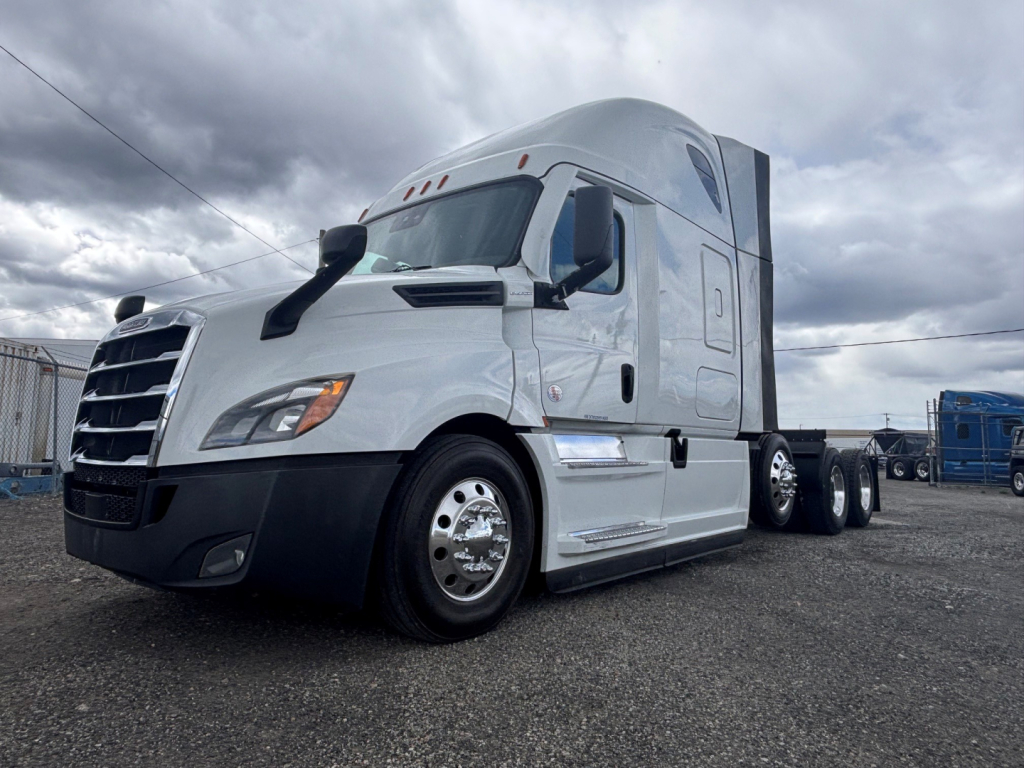
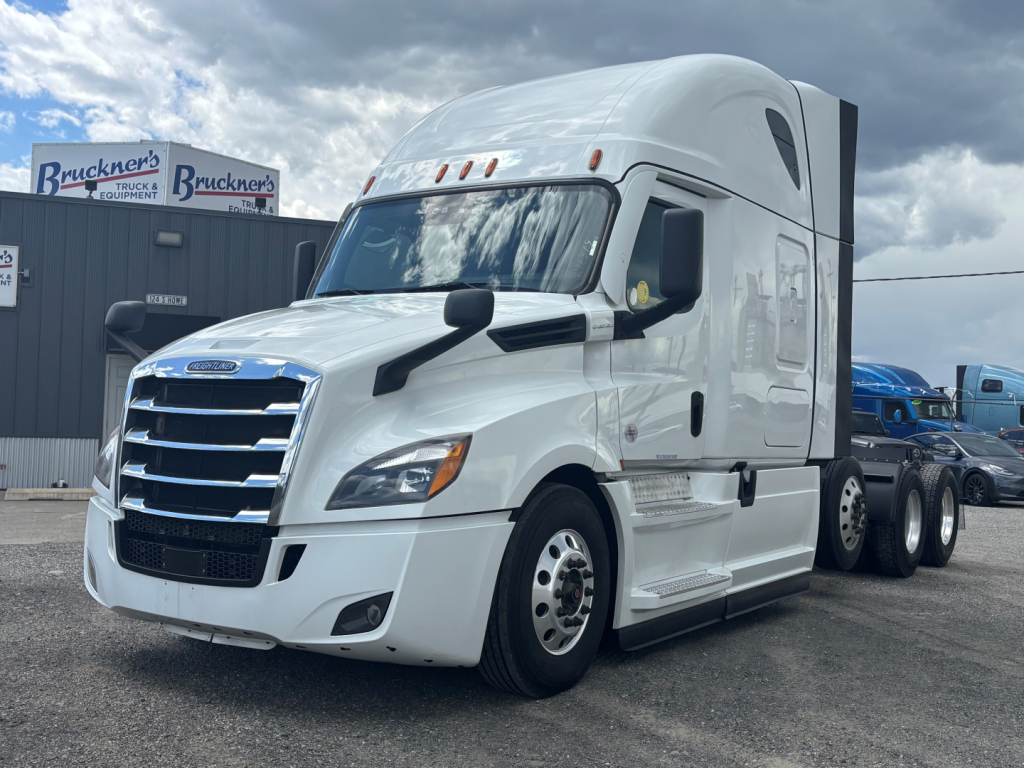
For on-highway use, many 2021 trucks were spec'd with aerodynamic hoods, automated manual transmissions, collision mitigation systems, and driver comfort upgrades that matter on long runs. Day cabs are common for local and regional lanes where maneuverability, lower curb weight, and simpler maintenance matter most. Sleeper trucks in this year range often include larger bunk options, APUs or idle-reduction specs, power inverters, and upgraded insulation packages for over-the-road work. In Washington, fuel tank capacity, gear ratio, and engine brake performance deserve close attention because Cascades routes, port drayage, and interstate work can all place different demands on the same tractor.
Vocational 2021 trucks deserve a different buying lens. Dump trucks, severe-duty day cabs, and PTO-ready chassis are typically chosen around frame strength, suspension, axle ratings, body compatibility, and jobsite traction. Common spec points include tandem or tri-drive setups, double-frame sections, locking differentials, pintle or combo hitch arrangements, and transmission PTO provisions for hydraulics. Body and upfit details matter as much as the chassis itself, especially on dump applications where box material, hoist capacity, gate style, tarp systems, and lift axle configuration affect payload and cycle time. In the Pacific Northwest, corrosion exposure, frame condition, and evidence of hard off-road use should be evaluated carefully on any vocational truck.
A smart comparison on a 2021 truck goes beyond make, mileage, and price. Check engine family, emissions system history, transmission model, rear axle ratio, suspension type, brake spec, and tire size against the actual work the truck will do. Buyers should also look at maintenance records, telematics history when available, idle hours, PTO usage, and any signs of prior body swaps or frame modifications. For many fleets and owner-operators, 2021 trucks hit a useful middle ground: modern safety and efficiency features, current driver amenities, and broad parts and service support across major truck brands.
Frequently Asked Questions about 2021 Commercial Trucks in Washington
What should I look for first when buying a 2021 truck in Washington?
Start with the intended application and operating terrain. A truck used for long-haul freight across I-90 has very different needs than a dump truck running short construction cycles around Puget Sound or Eastern Washington. Cab type, axle configuration, horsepower, wheelbase, suspension, and rear axle ratio should all match the job before comparing brand, mileage, or cosmetic condition.
Are 2021 trucks a good balance between cost and features?
Yes, for many buyers 2021 trucks offer a practical balance of acquisition cost, modern safety technology, and driver comfort. This model year commonly includes newer powertrain controls, automated transmissions, collision mitigation features, and more advanced telematics than older equipment. That can make a 2021 truck appealing for fleets that want newer specs without stepping into new-unit pricing.
What specs matter most on a 2021 sleeper versus a 2021 day cab?
On a sleeper, buyers usually focus on bunk size, fuel capacity, idle-reduction equipment, inverter setup, storage, and highway gearing. On a day cab, the key considerations are wheelbase, turning radius, weight, PTO capability if needed, and suitability for local or regional routing. Both should be checked for engine brake performance, transmission spec, and axle ratio, especially in Washington where elevation changes can affect drivability and fuel economy.
What is important when evaluating a 2021 dump or vocational truck?
Frame condition, axle ratings, suspension, PTO setup, differential locks, and body compatibility are critical on a vocational truck. On a dump truck, inspect the body material, hoist, gate configuration, liner condition, tarp system, hitch equipment, and any lift axle components. Vocational trucks can look similar on paper but perform very differently depending on how they were originally spec'd and how hard they were used.
How important are maintenance and emissions records on a 2021 truck?
They are extremely important because emissions system repairs, idle time, and deferred maintenance can change the true operating cost quickly. Review service documentation for the engine, aftertreatment system, transmission, brakes, and cooling system. A well-documented 2021 truck with the right spec is usually a better buy than a cheaper unit with incomplete history or signs of inconsistent maintenance.