
2021 Commercial Trucks For Sale in Pennsylvania
Browse 2021 trucks for sale in Pennsylvania, including highway and vocational models with diesel power, sleeper and day cab configurations.
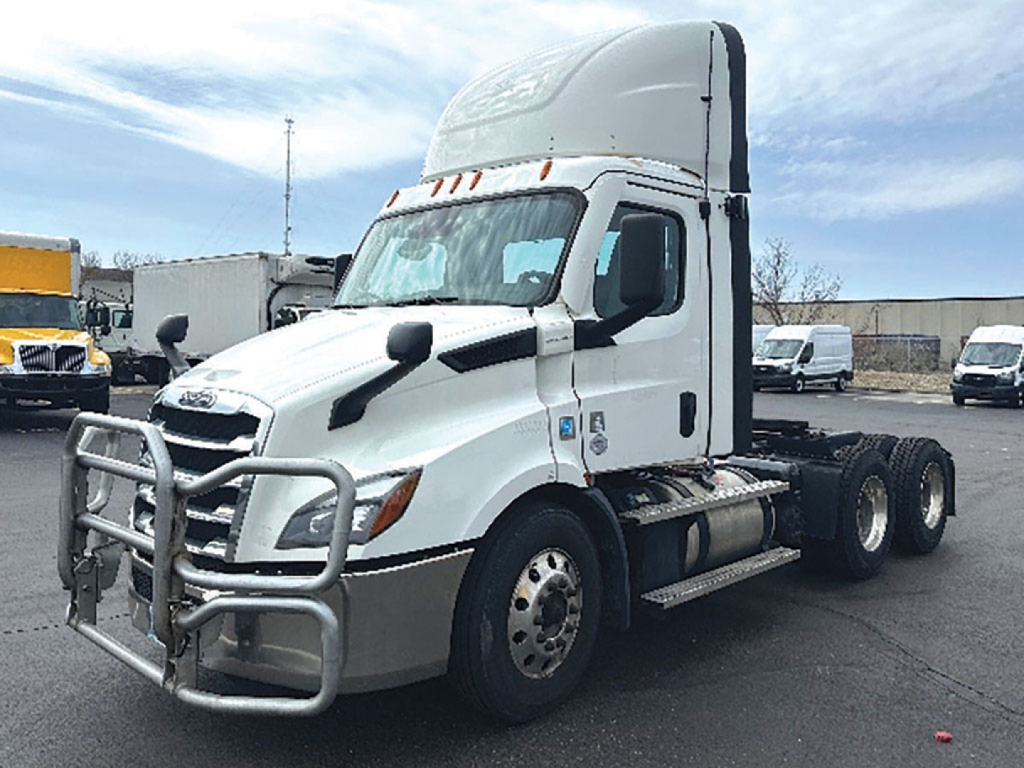
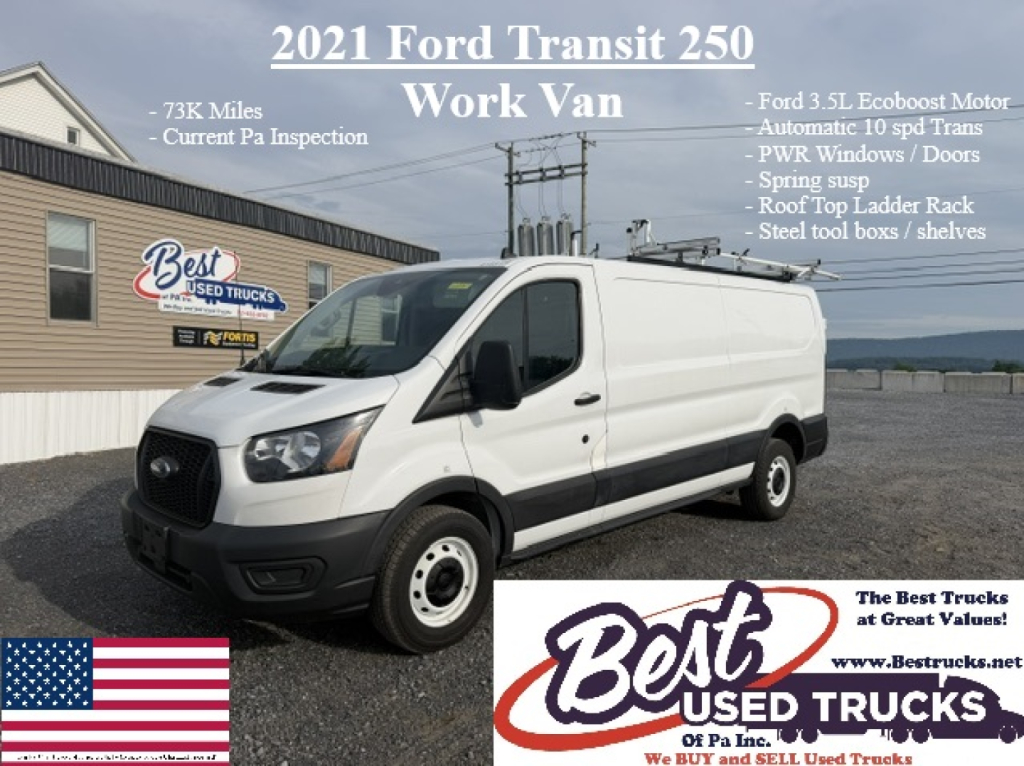

Have 2021 commercial truck to sell? List it here to reach thousands of buyers.
2021 Commercial Trucks in Pennsylvania
For over-the-road and regional hauling, 2021 trucks often include the core driveline combinations buyers expect in late-model equipment: diesel engines in the 350 to 500 horsepower range, automated manual or automatic transmissions, tandem rears on Class 8 tractors, and air ride suspensions. Sleeper tractors from this era frequently carry 60-inch to 80-inch sleepers, aerodynamic packages, disc or drum brake configurations, and integrated telematics. Day cabs and medium-duty trucks may be spec'd for tighter wheel cuts, shorter wheelbases, and lower curb weight for urban and regional work. In Pennsylvania, terrain matters, so rear axle ratio, engine brake performance, and transmission gearing deserve a close look if the truck will run through the Appalachians, western grades, or stop-and-go Northeast freight lanes.
A buyer comparing 2021 trucks should pay close attention to emissions and maintenance history. By this point, most trucks are running mature aftertreatment systems with diesel particulate filters, DEF systems, and more refined engine controls than earlier generations, but service records still matter. Ask about idle hours, PTO hours on vocational units, DPF cleaning intervals, injector or turbo work, and any history of fault codes related to SCR or EGR performance. On heavier trucks, verify axle ratings, suspension type, brake condition, and tire spec. On vocational setups, the body or upfit can matter more than the cab badge, so review hoist specs, PTO operation, hydraulic condition, frame modifications, and body corrosion, especially in a state where winter road treatment can accelerate rust on frames, crossmembers, wiring, and air system components.
Pennsylvania buyers also tend to benefit from thinking about registration class, bridge-law implications, and route type before narrowing down listings. A 2021 truck can be a strong fit for fleets looking to refresh with later-model iron or owner-operators wanting newer technology without stepping into current-model pricing. Focus on the truck's intended job first, then compare engine family, transmission style, axle configuration, cab type, and service history. That approach usually tells more than the badge on the hood and helps separate a truck that simply looks clean from one that is correctly spec'd for profitable work.
Frequently Asked Questions about 2021 Commercial Trucks in Pennsylvania
What should I look for when buying a used 2021 truck in Pennsylvania?
Start with the truck's application and spec match. Confirm engine horsepower, transmission type, axle configuration, wheelbase, suspension, and GVWR or GCWR are right for the work. In Pennsylvania, corrosion inspection is especially important, so check the frame rails, crossmembers, cab mounts, brake lines, fuel tanks, electrical connections, and body mounting points for rust or previous repairs. Service records, fault code history, and emissions system maintenance are just as important as mileage on a 2021 truck.
Are 2021 trucks a good balance between technology and value?
Yes. A 2021 truck typically gives buyers access to newer cab designs, updated powertrains, driver-assist features, and refined emissions components without paying current new-truck prices. Many trucks from this model year also have more predictable parts support and familiar driveline combinations, which can help with uptime and serviceability. The key is condition and maintenance history, not just model year.
What engine and transmission options are common in 2021 trucks?
Common 2021 truck configurations include diesel engines from major manufacturers such as Cummins, Detroit, Paccar, Mack, and Navistar, often paired with automated manual, full automatic, or manual transmissions depending on the truck class and duty cycle. Highway tractors commonly fall in the 400 to 500 horsepower range, while medium-duty and vocational trucks may be spec'd lower for local or specialized work. The right combination depends on terrain, payload, average trip length, and how much stop-and-go driving the truck will see.
How important is emissions system history on a 2021 truck?
It is critical. A 2021 diesel truck will almost certainly rely on a DPF, DEF dosing system, SCR components, and related sensors to stay compliant and operate correctly. Buyers should ask about DPF cleaning, DEF system repairs, sensor replacements, regeneration history, and any recurring check engine or aftertreatment warnings. A truck with documented emissions maintenance is usually a safer buy than one with missing records and no clear repair history.
Should I choose a sleeper, day cab, or vocational 2021 truck?
Choose based on revenue use, not appearance. A sleeper is generally the right fit for long-haul or multi-day regional work where driver comfort and onboard storage matter. A day cab is better for local and short regional routes where lower weight, easier maneuverability, and simpler configuration are priorities. Vocational trucks are built around the body and job function, so buyers should evaluate PTO provisions, frame strength, axle ratings, and body equipment before focusing on cab features.