
2021 Trucks For Sale in North Carolina
Browse 2021 trucks for sale in North Carolina, including daycabs, cab and chassis, and vocational units with modern powertrains and spec options.
Learn more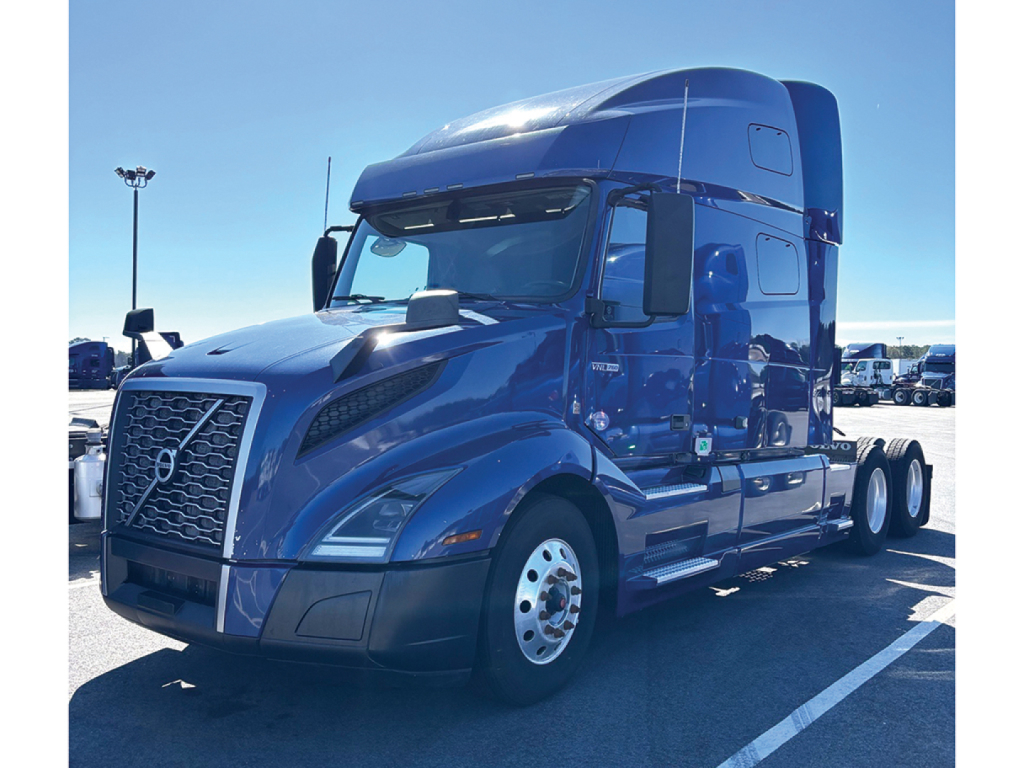
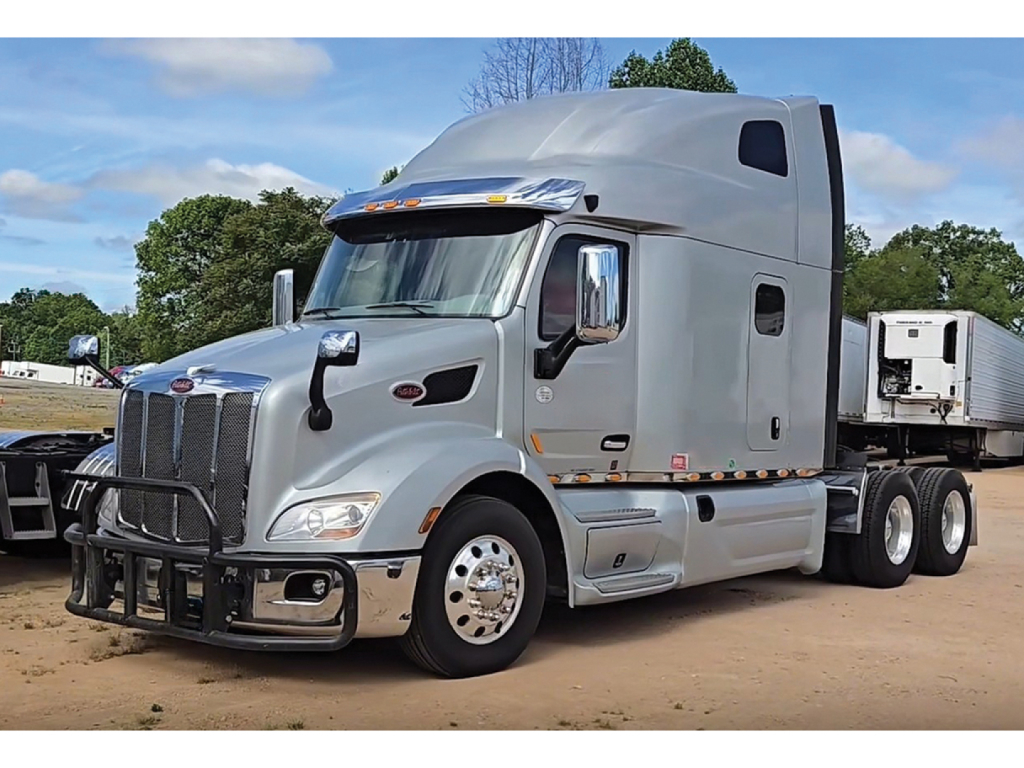
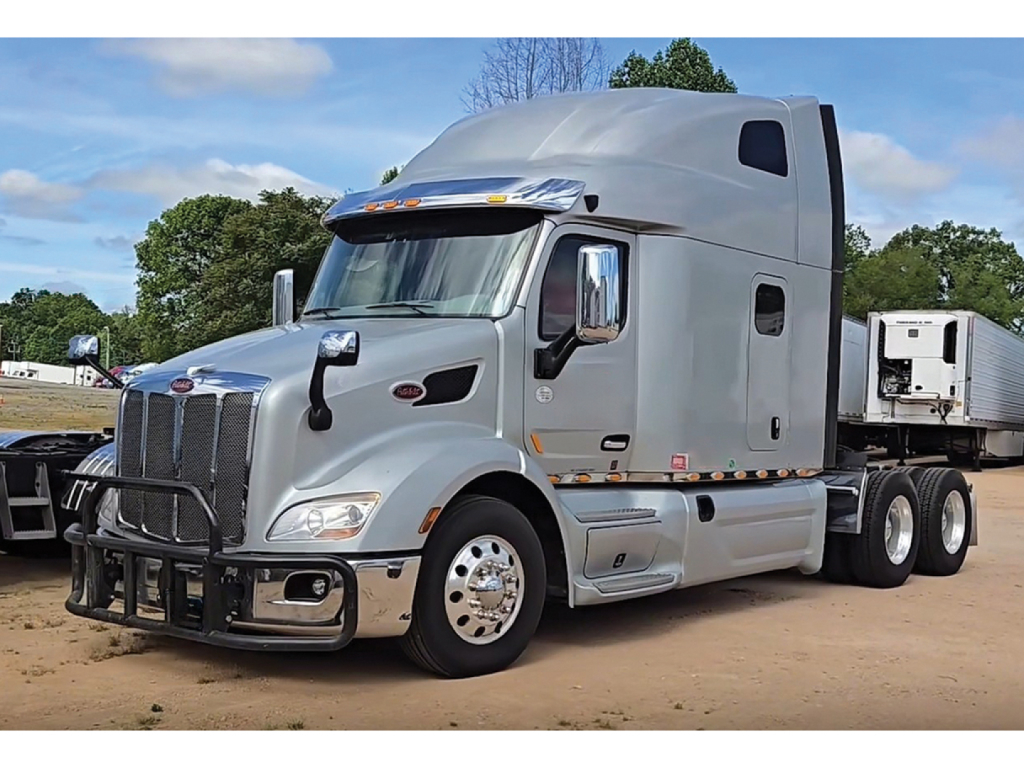

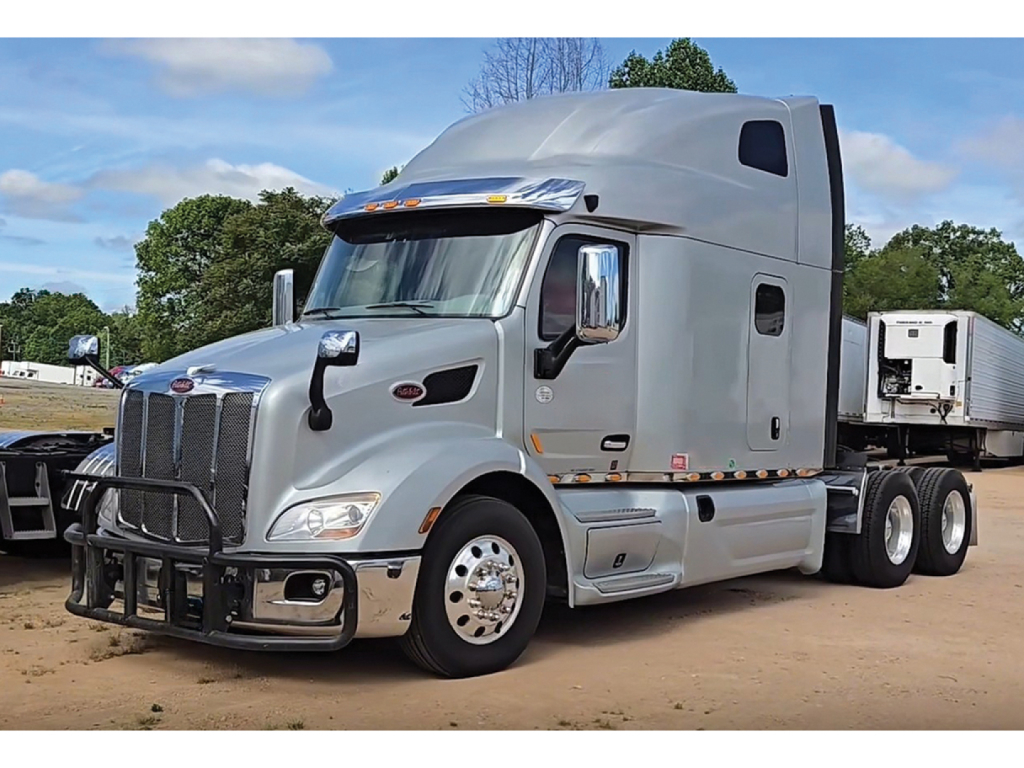
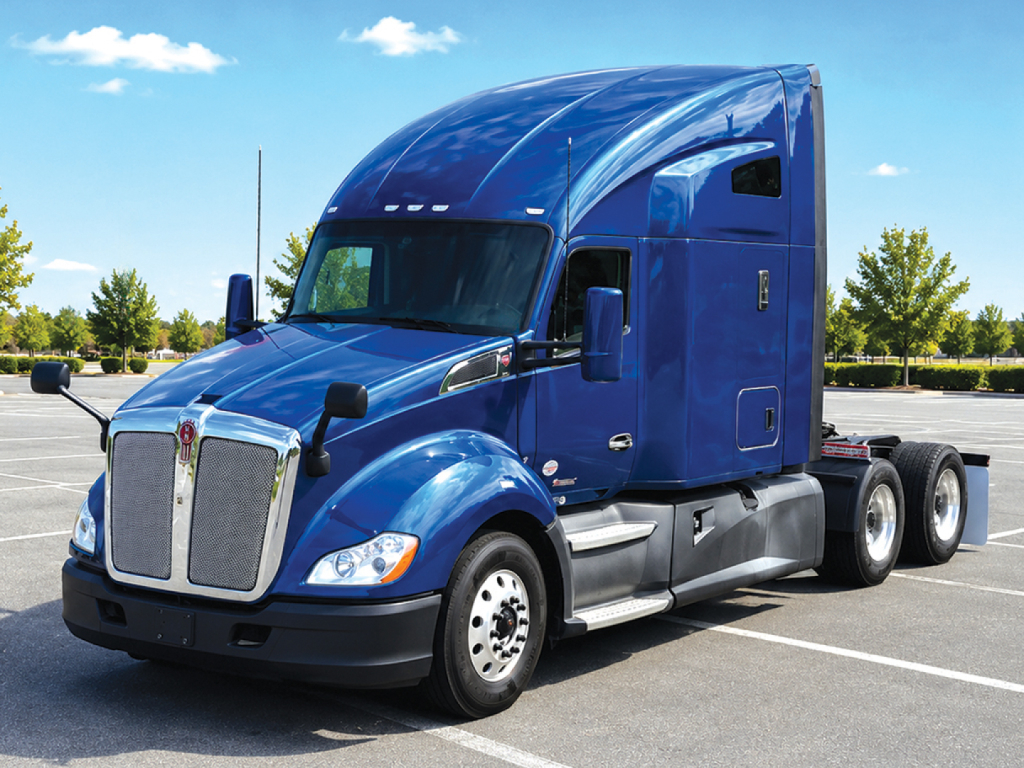
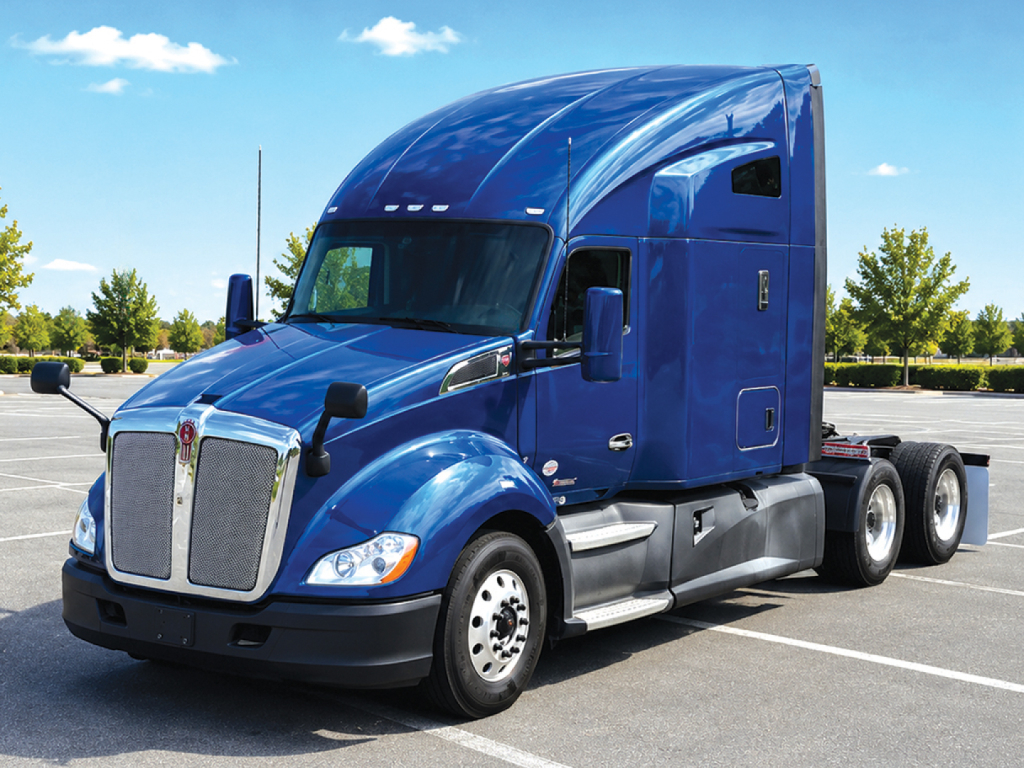
Showing 13 to 24 of 32 results
Have 2021 truck to sell? List it here to reach thousands of buyers.
About 2021 Trucks in North Carolina
For highway and regional tractor work, many 2021 conventional day cabs were spec'd with 13-liter engines, engine brakes, air ride suspension, and rear axle ratios in the fuel-efficient 2.50 to 2.79 range. Those specs favor short-haul freight, port drayage, dedicated regional lanes, and frequent trailer switching. A tandem-axle day cab with a sliding fifth wheel and 40,000-pound rears will fit a very different operation than a single-axle tractor with a shorter wheelbase and lighter rear axle. If the truck will spend most of its time in stop-and-go service around Charlotte, Raleigh, Greensboro, or the coastal freight corridors, transmission type, turning radius, and idle management features can matter as much as horsepower.
For cab and chassis applications, a 2021 truck is often bought as a platform for a dump body, rollback, service body, flatbed, van body, or utility build. In this category, the critical measurements are wheelbase, cab-to-axle, gross vehicle weight rating, front and rear axle capacities, and power take-off compatibility. Buyers should also confirm suspension type, frame rail condition, brake setup, and whether the gearing matches intended payload and route profile. A truck with a higher numerical ratio such as 5.57 will behave much differently from a highway-oriented 2.79 spec, especially under load or in urban duty cycles. In North Carolina, where operations can shift between interstate runs, hilly interior routes, and coastal terrain, the right ratio and engine-transmission pairing make a noticeable difference in performance and operating cost.
Across the 2021 model year, buyers can also expect improved cab ergonomics, better visibility, more integrated telematics capability, and emissions systems that are more refined than earlier generations, though maintenance history still matters more than model year alone. Look closely at aftertreatment service records, clutch wear on automated manuals, brake type, tire size, and any signs of prior body upfit work if the truck is a chassis unit. A clean 2021 truck with the right wheelbase, axle rating, and drivetrain spec can serve as a dependable regional tractor or a strong base for vocational use, provided the truck's original spec matches the work it will do every day.
Frequently Asked Questions
What should I look for when buying a 2021 truck in North Carolina?
Start with the intended application, then verify the core chassis specs. Buyers should confirm axle configuration, wheelbase, rear axle ratio, horsepower, transmission type, suspension, and brake setup before comparing cosmetics or trim. In North Carolina, where trucks may run interstate freight one day and urban or vocational routes the next, gearing and wheelbase have a major impact on drivability, payload suitability, and fuel economy. Service records for the engine, aftertreatment system, and transmission are especially important on 2021 diesel trucks.
Is a 2021 day cab truck a good choice for regional hauling?
A 2021 day cab is often a strong fit for regional and local hauling because many were spec'd with fuel-efficient engines, automated transmissions, air ride suspension, and aerodynamic equipment. These trucks are commonly used for dedicated freight, drayage, LTL, and short-haul trailer work. Buyers should focus on rear axle rating, fifth wheel setup, wheelbase, and engine-transmission pairing to make sure the truck matches trailer weights, route density, and loading conditions.
How do I choose between a 2021 cab and chassis truck and a highway tractor?
The decision comes down to whether the truck will pull trailers or carry a permanent body. A cab and chassis is designed as a foundation for an upfit such as a dump body, box, flatbed, rollback, or utility body, so cab-to-axle measurement, frame length, PTO provision, and GVWR are key factors. A highway tractor is built around fifth wheel operation, so buyers should pay closer attention to axle ratings, kingpin setting compatibility, wheelbase, and fuel tank capacity. The wrong platform can create expensive upfit or operating limitations.
Are 2021 trucks commonly equipped with automatic transmissions?
Yes. By 2021, many trucks in both highway and medium-duty applications were equipped with automatic or automated manual transmissions. Common examples include Allison automatics for vocational and medium-duty work, along with automated manuals such as Volvo I-Shift and Detroit DT12 in highway tractors. These transmissions can improve driver acceptance, reduce fatigue in stop-and-go service, and support fuel-efficient shift programming, but buyers should still review maintenance history and software calibration records where available.
Why does rear axle ratio matter on a 2021 truck?
Rear axle ratio directly affects launch performance, cruising RPM, gradeability, and fuel consumption. Lower numerical ratios such as 2.50 or 2.79 are typical for highway and regional applications where fuel economy and lower engine speed matter most. Higher numerical ratios such as 5.57 are better suited to heavier vocational work, slower routes, and operations that need stronger low-speed pulling power. Matching the axle ratio to the engine, transmission, tire size, and duty cycle is one of the most important parts of buying the right truck.