
2020 Commercial Trucks For Sale in Kansas
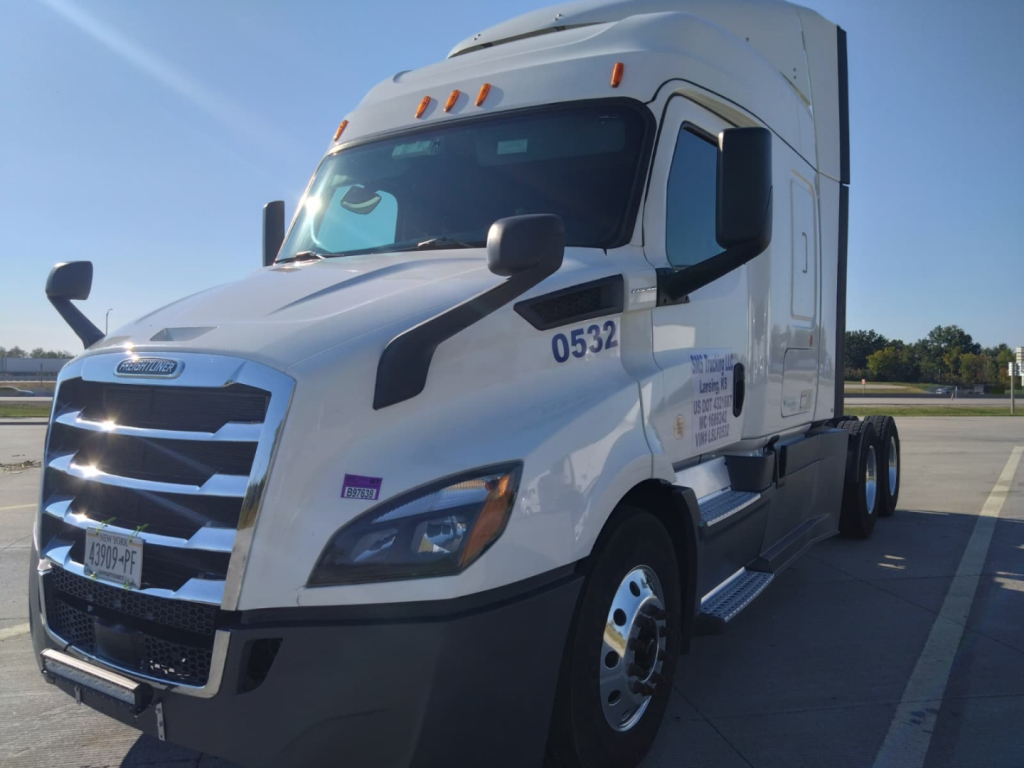
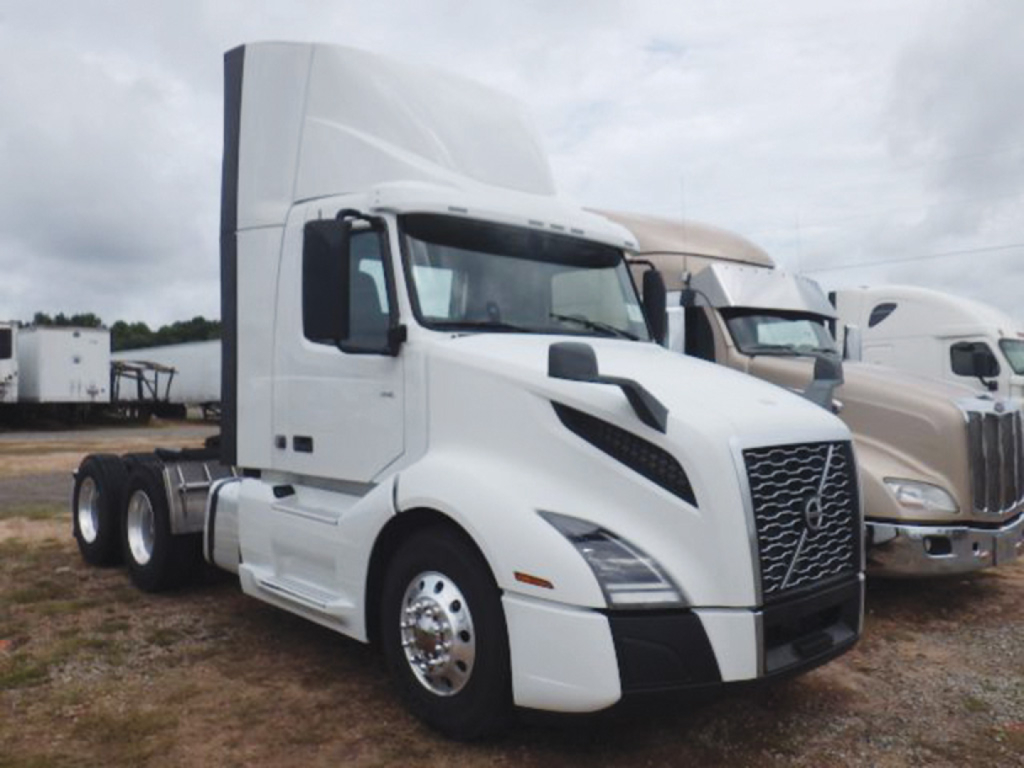
Have 2020 commercial truck to sell? List it here to reach thousands of buyers.
2020 Commercial Trucks in Kansas
For on-road use, many 2020 trucks came with automated manual transmissions or full automatics, 400 to 500 plus horsepower diesel engines, air ride suspensions, and improved driver-assist features such as collision mitigation, engine brakes, and integrated telematics. In Kansas, that matters because fleets often run a mix of interstate, agricultural, energy, and construction miles. A regional tractor may be set up with a shorter wheelbase, sliding fifth wheel, aerodynamic fairings, and 2.47 to 3.08 rear ratios for fuel economy and maneuverability. A vocational truck from the same model year may carry heavier front axles, double-frame construction, lift axles, higher rear ratios, PTO-driven hydraulics, and severe-duty suspensions designed for jobsite use.
Buyers comparing 2020 trucks should pay close attention to GVWR, axle ratings, wheelbase, brake type, and emissions history before focusing on cosmetics. On tractors, look at engine family, transmission model, rear axle ratio, fuel capacity, and whether the truck has disc or drum brakes, air slide fifth wheel, or a fixed plate. On dumps, tow trucks, and other work trucks, verify body manufacturer, hoist or rollback system specs, PTO setup, frame reinforcement, and hydraulic condition. Service records matter on any 2020 unit, but they are especially important on trucks with idle-heavy or stop-and-go duty cycles. Tire wear, suspension bushing condition, DPF and SCR service history, and signs of frame or body stress can tell you more than mileage alone.
Kansas buyers also tend to value trucks that can handle broad temperature swings, long rural routes, and mixed pavement conditions. That makes cooling system health, DEF system reliability, cab HVAC performance, and suspension setup practical buying factors, not minor details. If the truck will spend time on county roads, oilfield access roads, grain routes, or urban delivery lanes, turning radius, ride height, ground clearance, and axle spread should all be part of the decision. A well-matched 2020 truck can still deliver strong service life, especially when the spec supports the intended payload, terrain, and annual miles.
Frequently Asked Questions about 2020 Commercial Trucks in Kansas
What are the main advantages of buying a 2020 truck in Kansas?
A 2020 truck often gives buyers a strong balance of technology, emissions compliance, and purchase value. Many units from this model year include newer safety systems, automated transmissions, improved fuel economy features, and more refined cab designs than older trucks. For Kansas operations, that can mean a better fit for regional freight, construction, agriculture, and municipal work without paying late-model pricing.
What should I check first on a 2020 used truck?
Start with the truck’s original specification and maintenance history. Confirm the VIN-based engine and transmission information, axle ratings, wheelbase, rear ratio, and GVWR, then compare those details to the work the truck needs to do. After that, review emissions service records, engine hours, PTO usage if applicable, brake condition, suspension wear, tire wear patterns, and any signs of frame modification or body stress.
Are 2020 trucks likely to have modern safety and driver-assist features?
Yes, many 2020 trucks were built with more advanced safety equipment than earlier models. Depending on the make and application, features may include collision mitigation, lane departure warning, stability control, disc brakes, adaptive cruise functions, and integrated engine braking. These systems are especially useful for regional highway use and mixed-route operations common in Kansas.
How do I choose between a 2020 day cab and a 2020 vocational truck?
The decision comes down to application, not just cab style. A 2020 day cab is typically set up for regional hauling, local delivery, or terminal work, with specs focused on maneuverability and fuel economy. A 2020 vocational truck, such as a dump, rollback, or severe-duty chassis, is usually built with heavier axles, stronger frames, PTO capability, and suspension packages intended for payload and jobsite durability.
Do miles matter more than engine hours on a 2020 truck?
Neither should be viewed alone. Mileage is important on over-the-road trucks, but engine hours can be just as important on vocational units or trucks with heavy idle time. A 2020 truck with moderate miles but very high idle hours may show more wear in emissions components, PTO systems, cooling systems, and engine accessories than the odometer suggests. The best evaluation uses both miles and hours together with maintenance records.