
2018 Commercial Trucks For Sale in Texas
Shop 2018 trucks for sale in Texas, including day cabs, sleepers, vocational trucks, and yard tractors with buyer-focused spec guidance.
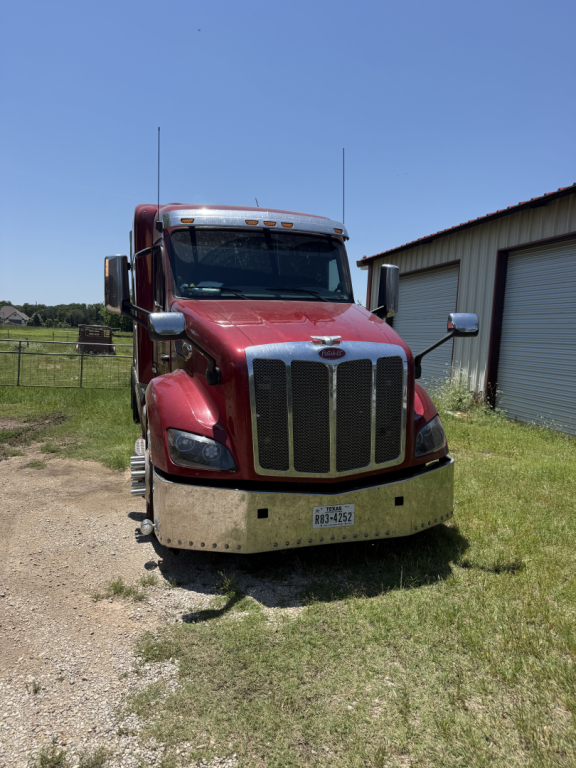
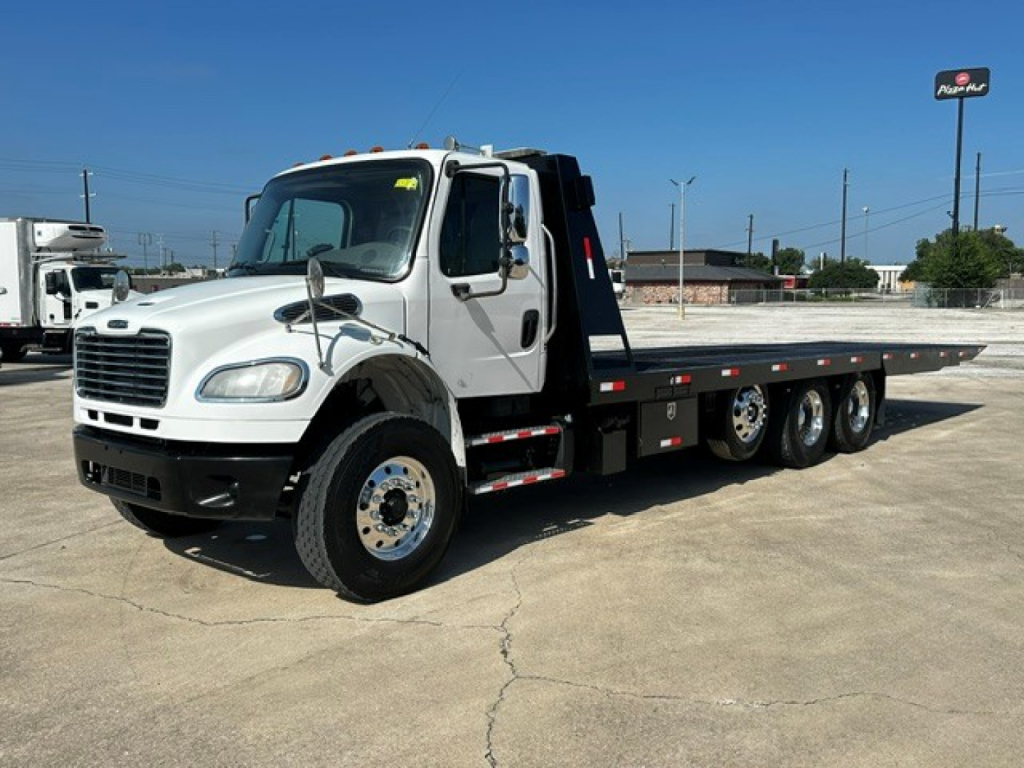
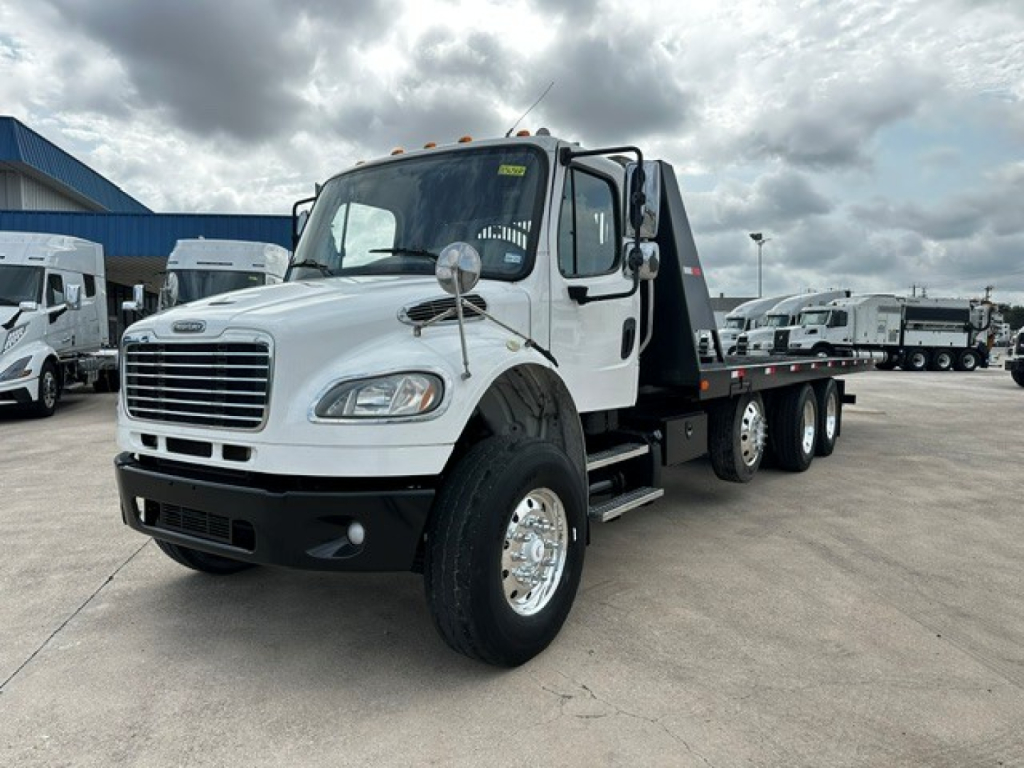
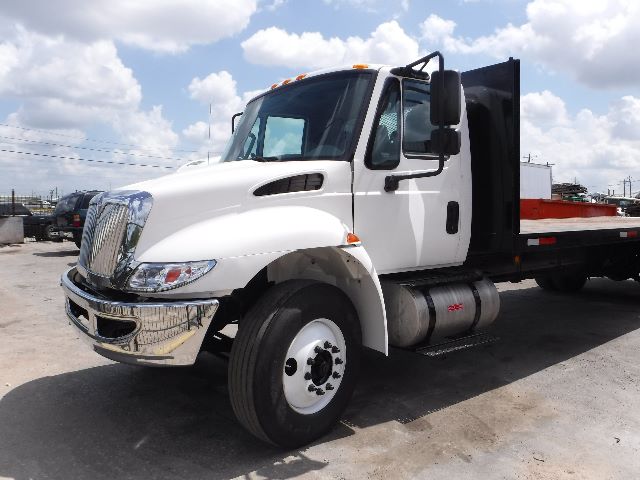

Selling a 2018 commercial truck? List your 2018 commercial truck for sale and reach thousands of commercial buyers.
2018 Commercial Trucks in Texas
For over-the-road and regional hauling, many 2018 trucks were spec'd with 12 to 13 liter engines in the 400 to 455 horsepower range, automated manuals such as Volvo I-Shift, Mack mDRIVE, Detroit DT12, Eaton UltraShift, or traditional manual transmissions. Day cabs in this year group often carry 12,000 to 13,200 lb front axles, 40,000 lb tandem rears, air ride suspension, and wheelbases around 170 to 200 inches. Sleeper tractors may stretch into longer wheelbases and lower rear axle ratios for fuel economy. Buyers comparing 2018 trucks for sale in Texas should pay close attention to rear ratio, fifth wheel setup, brake type, and tire size because those details affect route speed, startability, and payload flexibility.
Vocational 2018 trucks deserve a different review process. Dump trucks, mixers, roll-offs, service trucks, and yard tractors are usually judged by frame spec, PTO capability, suspension rating, steering axle capacity, and body or hydraulic condition more than highway fuel economy. Texas work environments also matter. West Texas oilfield and aggregate service can be hard on suspensions, brakes, and frame components, while metro and short-haul service often means high idle hours, frequent clutch or transmission cycling, and more cosmetic wear than linehaul tractors. On any 2018 model, it is smart to review engine hours alongside miles, emissions service records, DPF and SCR history, and signs of rust, collision repair, or excessive fifth wheel and kingpin wear.
A well-matched 2018 truck still has plenty of productive life if the specifications fit the job. Buyers should compare gross vehicle weight rating, axle spread, suspension type, cab configuration, and engine brake performance against the lanes or work sites the truck will actually see. In Texas, that can mean balancing highway gearing for long interstate runs with cooling performance, A/C function, and durability in sustained heat. The best choice in this category is usually the truck with the clearest service history and the right vocational or highway spec, not simply the newest-looking unit.
Frequently Asked Questions about 2018 Commercial Trucks in Texas
What should I look for first when buying a 2018 truck in Texas?
Start with the truck’s original application and current specifications. A 2018 day cab used for regional freight should be evaluated differently than a mixer, dump truck, or yard spotter. Check engine make and horsepower, transmission type, axle ratings, wheelbase, rear ratio, and suspension. After that, review maintenance records, engine hours, emissions repairs, and any evidence of frame damage, heavy corrosion, or poor body repairs. In Texas, cooling system condition and air conditioning performance are especially important because sustained heat puts extra demand on both systems.
Are 2018 trucks old enough to have major emissions system issues?
They can, depending on duty cycle and maintenance. A 2018 truck typically uses modern aftertreatment components such as DPF and SCR systems, and those parts can become expensive if the truck has seen excessive idling, stop-and-go work, or deferred service. Ask for records related to DPF cleanings, DEF system repairs, sensors, dosers, and any recent fault history. Miles alone do not tell the whole story. Engine hours and idle time often explain more about emissions wear than odometer reading.
Is an automated transmission a good choice on a 2018 truck?
For many buyers, yes. By 2018, automated manual transmissions had become common in highway tractors and were widely accepted for fuel economy, driver recruitment, and consistent shift performance. Systems like I-Shift, mDRIVE, and DT12 can be excellent if properly maintained and matched to the truck’s application. The key is to verify clutch life, software updates, driveline condition, and whether the calibration fits the work. A heavy vocational truck or severe-service route may call for a different setup than a regional day cab.
What mileage is too high for a 2018 truck?
There is no single cutoff because mileage has to be read with application, maintenance, and engine hours. A 2018 highway tractor may have several hundred thousand miles and still be a sound buy if it has solid service documentation and the drivetrain matches the intended use. A lower-mile truck that spent years in severe stop-and-go service, idling, or off-road work can be more worn than a higher-mile linehaul unit. Look at miles, hours, wear on the fifth wheel and suspension, brake condition, and the overall consistency of the service history.
Do day cabs and sleeper trucks from 2018 hold value differently?
Yes. Day cabs are often favored for regional, port, local delivery, and dedicated fleet work, so value is tied closely to wheelbase, axle spec, and transmission choice. Sleeper trucks are more sensitive to cab condition, bunk configuration, aerodynamic spec, and fuel economy gearing. In Texas, both can be desirable, but the stronger resale position usually goes to the truck with a broadly usable spec such as a mainstream engine, tandem axles, air ride suspension, and ratios that fit common freight applications.