
2018 Commercial Trucks For Sale in Pennsylvania
Browse 2018 trucks for sale in Pennsylvania, including light, medium, and heavy-duty commercial trucks for hauling, service, delivery, towing, and fleet use.
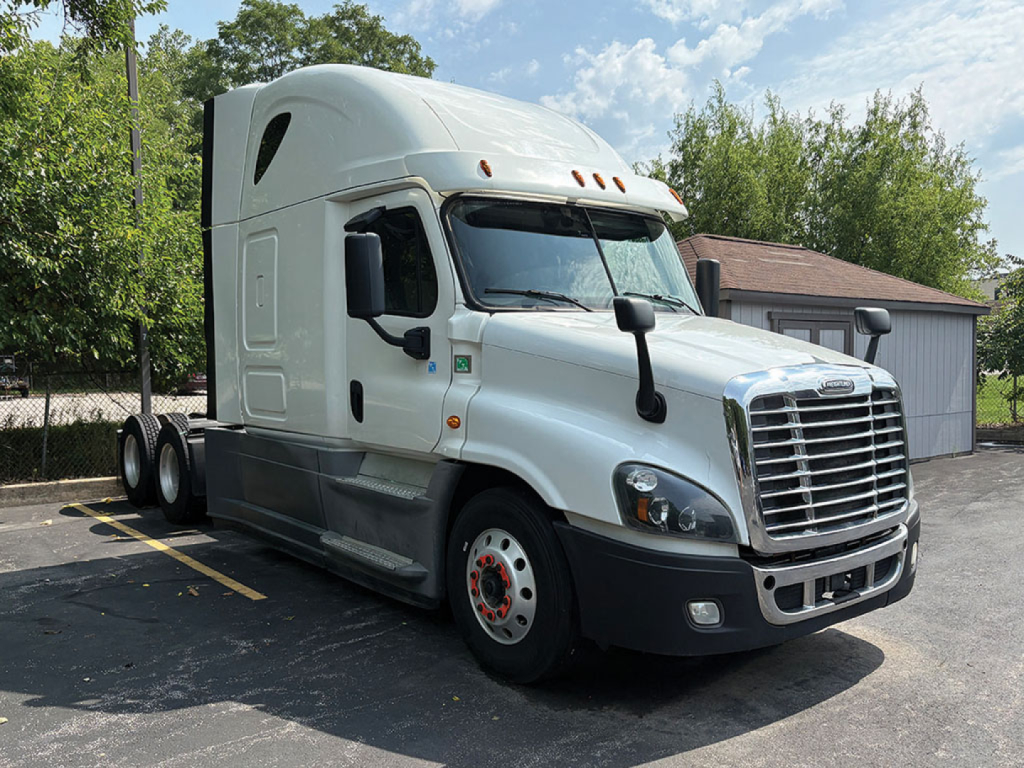
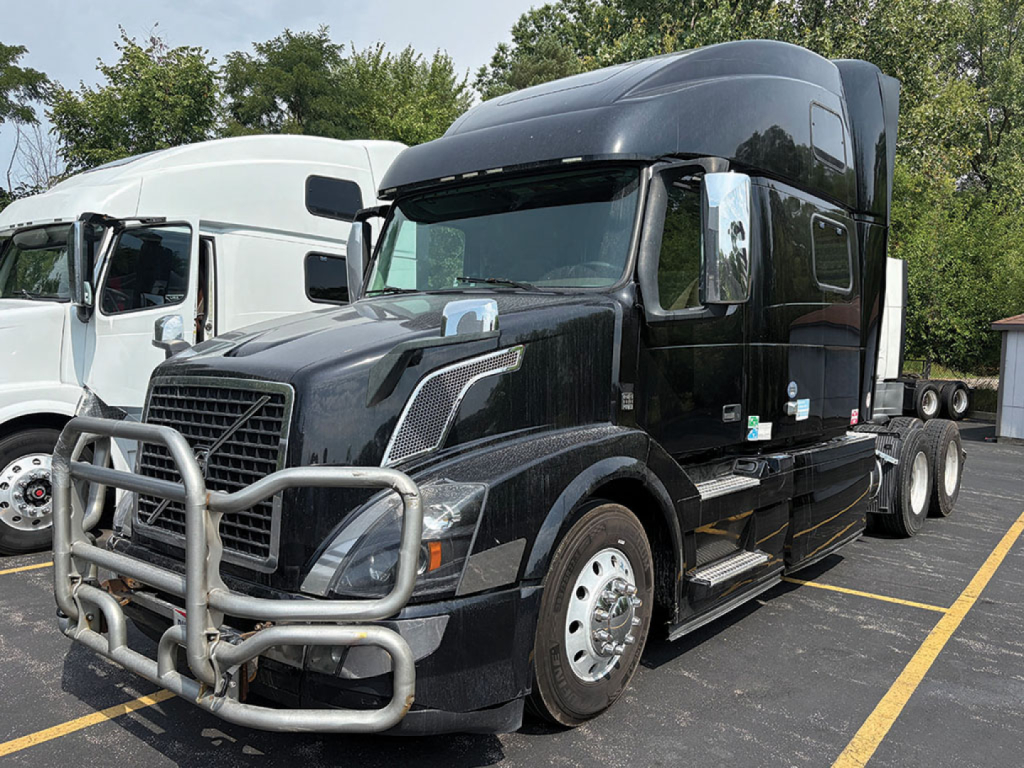
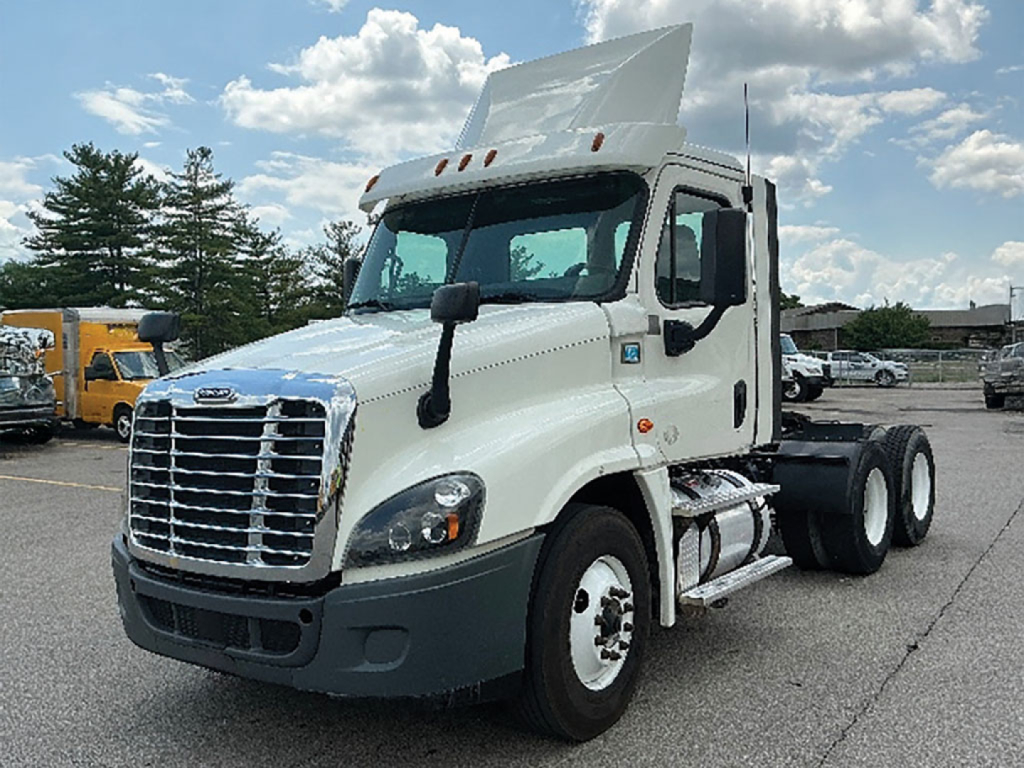
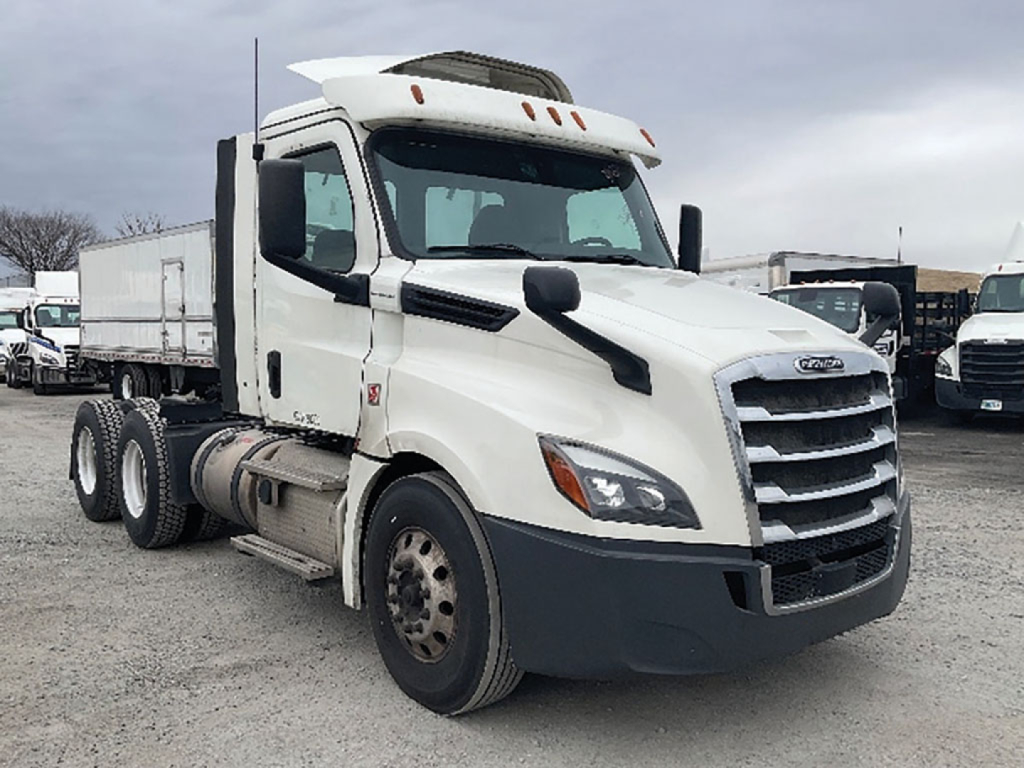
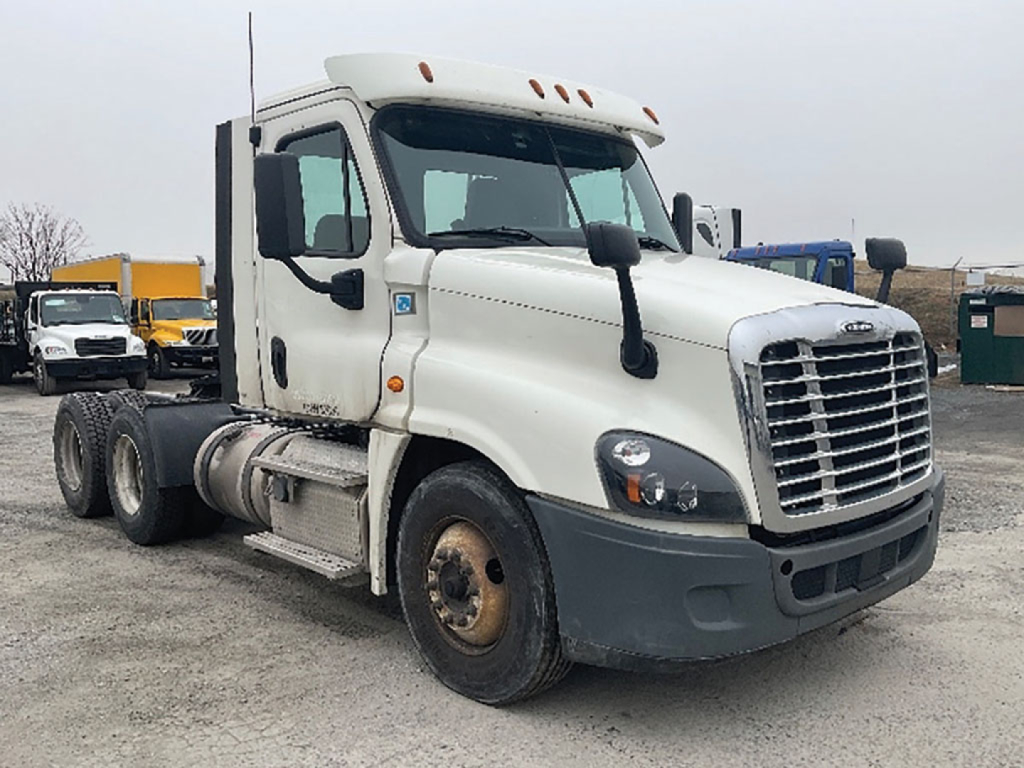
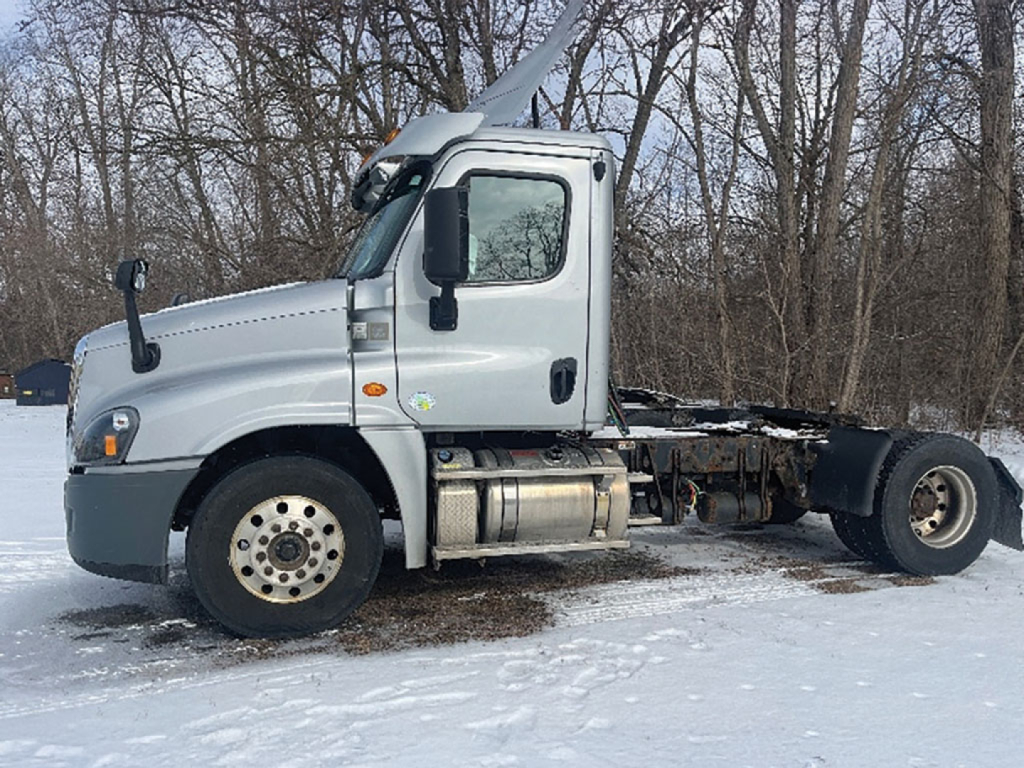
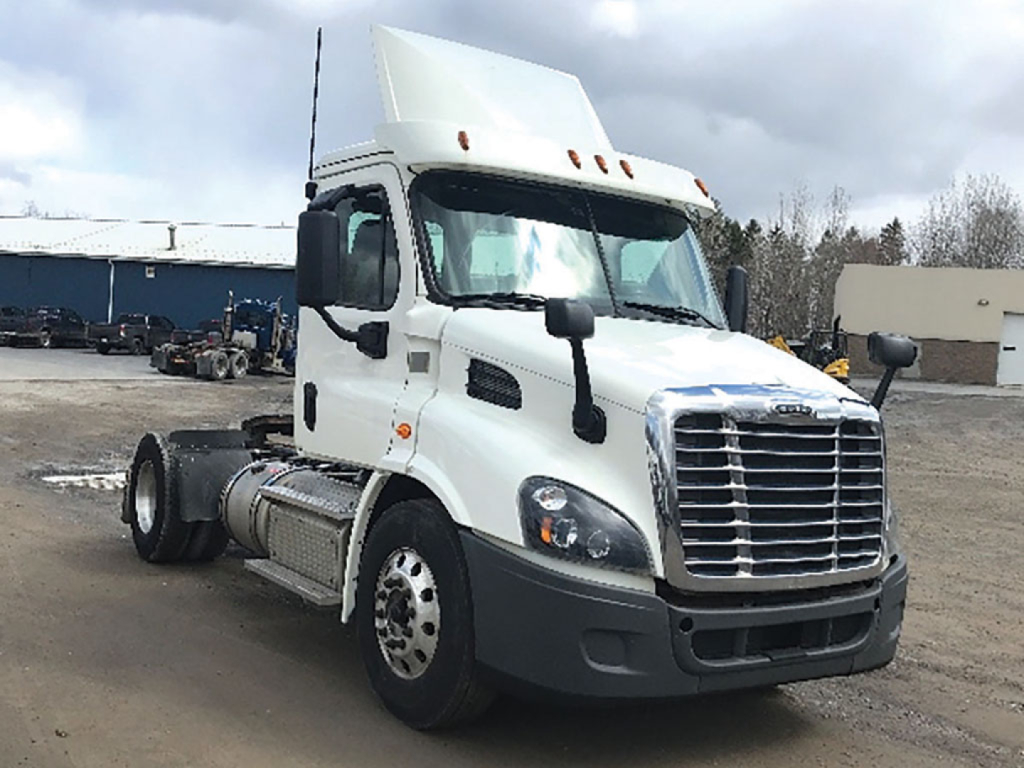
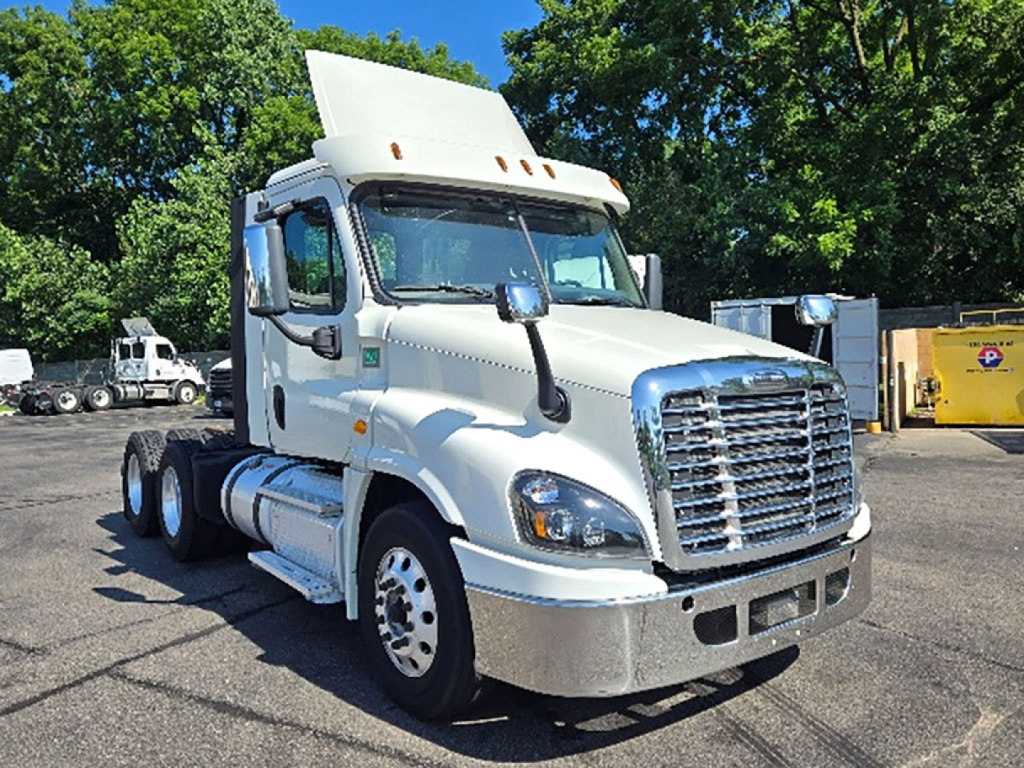

Have 2018 commercial truck to sell? List it here to reach thousands of buyers.
2018 Commercial Trucks in Pennsylvania
Pennsylvania buyers often need to think beyond basic engine and mileage. Terrain, weather, and operating region matter. In western and central PA, hills and winter conditions make axle ratio, engine brake performance, traction setup, and suspension type more important than they might be in flatter markets. For snow work, construction, or utility applications, a 4x4 or 4x2 chassis with the right PTO provisions, front axle capacity, and body upfit compatibility can be more valuable than a lower-mileage truck with the wrong spec. For freight and delivery use, wheelbase, door configuration, liftgate capacity, and under-CDL GVWR can be just as important as horsepower.
On heavier 2018 trucks, buyers should pay close attention to engine family, transmission type, rear axle rating, and suspension. A sleeper tractor with a 400 to 500 hp diesel, automated manual transmission, air ride suspension, and a highway ratio can fit regional or long-haul work, but that same setup may not be ideal for vocational stop-and-go service. On medium-duty trucks, common decision points include gas versus diesel power, spring versus air suspension, brake type, and body manufacturer. On work trucks and cab-and-chassis models, review GVWR, actual body payload, hitch or towing equipment, and whether the truck was originally spec'd for hauling, recovery, plowing, or municipal duty.
Condition still matters more than badge alone on a used 2018 truck. Service history, PA inspection status, rust exposure, idle hours, tire date codes, and signs of hard vocational use can tell you more than odometer mileage by itself. Look for frame corrosion, cab corner rust, hydraulic leaks on dump or wrecker setups, liftgate operation on box trucks, and emissions system service on diesel units. A well-matched 2018 truck can still be a strong earner if the spec fits the job, the maintenance is documented, and the truck's configuration supports your route, payload, and driver requirements.
Frequently Asked Questions about 2018 Commercial Trucks in Pennsylvania
What should I look for first when comparing 2018 trucks for sale in Pennsylvania?
Start with the truck's intended job, then match that job to GVWR, axle configuration, wheelbase, body type, and powertrain. A delivery truck, dump truck, tow truck, and sleeper tractor can all be the same model year but have completely different value based on how they were spec'd. In Pennsylvania, buyers should also weigh rust exposure, inspection status, cold-weather starting performance, and how the truck handles hills, snow, and stop-and-go operation.
Is a 2018 truck a good model year for commercial use?
A 2018 truck is often a strong middle-ground purchase for commercial buyers. It is generally modern enough to include newer cab features, updated drivetrains, and current business-friendly specs, while still offering more affordable pricing than newer model years. The real question is not the year alone, but how the truck was maintained, whether the emissions system has been reliable, and if the original spec matches your hauling, delivery, towing, or vocational needs.
Are 2018 diesel trucks better than gas trucks for commercial work?
It depends on the duty cycle. Diesel trucks usually make more sense for higher GVWR applications, towing, long routes, and heavy daily use because they deliver stronger low-end torque and often better durability under load. Gas trucks can be a smart fit for lighter-duty local work, lower annual mileage, and fleets that want simpler maintenance and lower upfront cost. On a 2018 truck, the better value comes from matching the engine type to the workload rather than assuming one fuel type is always superior.
What Pennsylvania-specific issues should buyers check on a used 2018 truck?
Rust and corrosion should be near the top of the list, especially on frames, brake lines, cab mounts, dump bodies, and underbody crossmembers. Buyers should also confirm current inspection status, evaluate tire condition for winter operation, and inspect heaters, defrosters, lights, and electrical systems that see hard seasonal use. If the truck worked in municipal, plow, or salt-service duty, look closely at hydraulic components, spreader or plow mounting points, and any accelerated corrosion caused by road treatment exposure.
How important is truck configuration on a 2018 used commercial truck?
Configuration is often more important than make or model. The wrong wheelbase, axle ratio, suspension, body length, or GVWR can limit payload, create CDL issues, reduce maneuverability, or make the truck inefficient for the route. Buyers comparing 2018 trucks should review the full working spec, including transmission type, rear axle rating, body equipment, PTO capability, brake setup, and any towing or liftgate equipment, because those details determine how well the truck will actually perform in service.