
2018 Trucks For Sale in Colorado
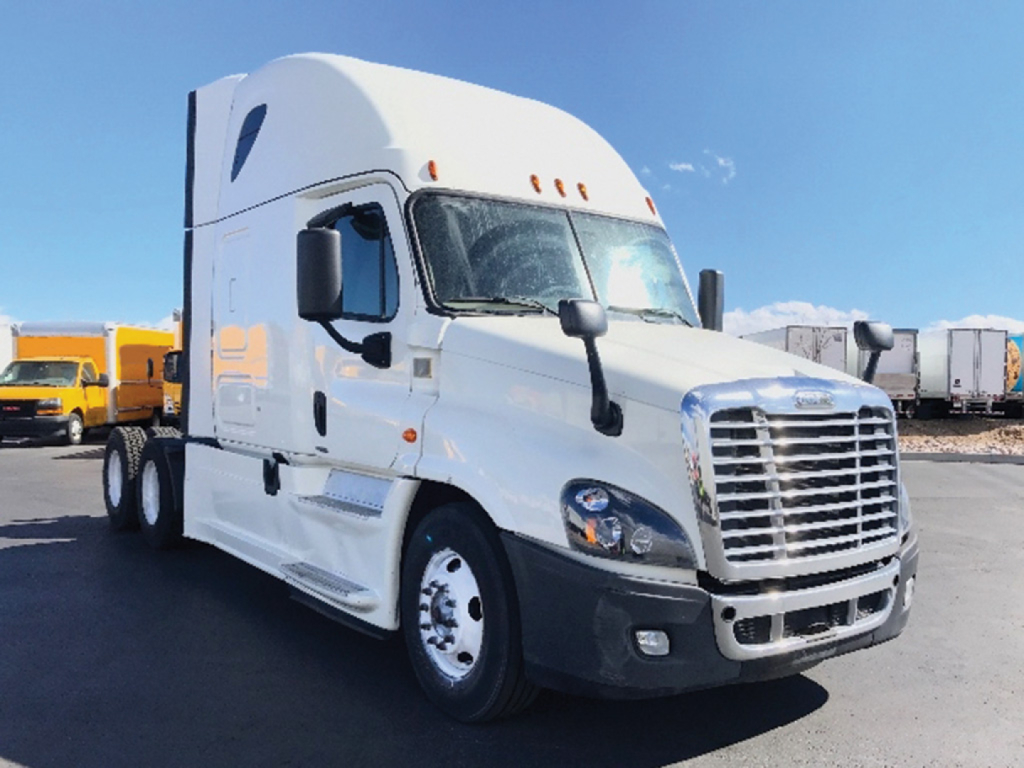
Browse 2018 trucks for sale in Colorado, including day cabs, sleepers, vocational, box, dump, and medium-duty truck configurations.
Learn more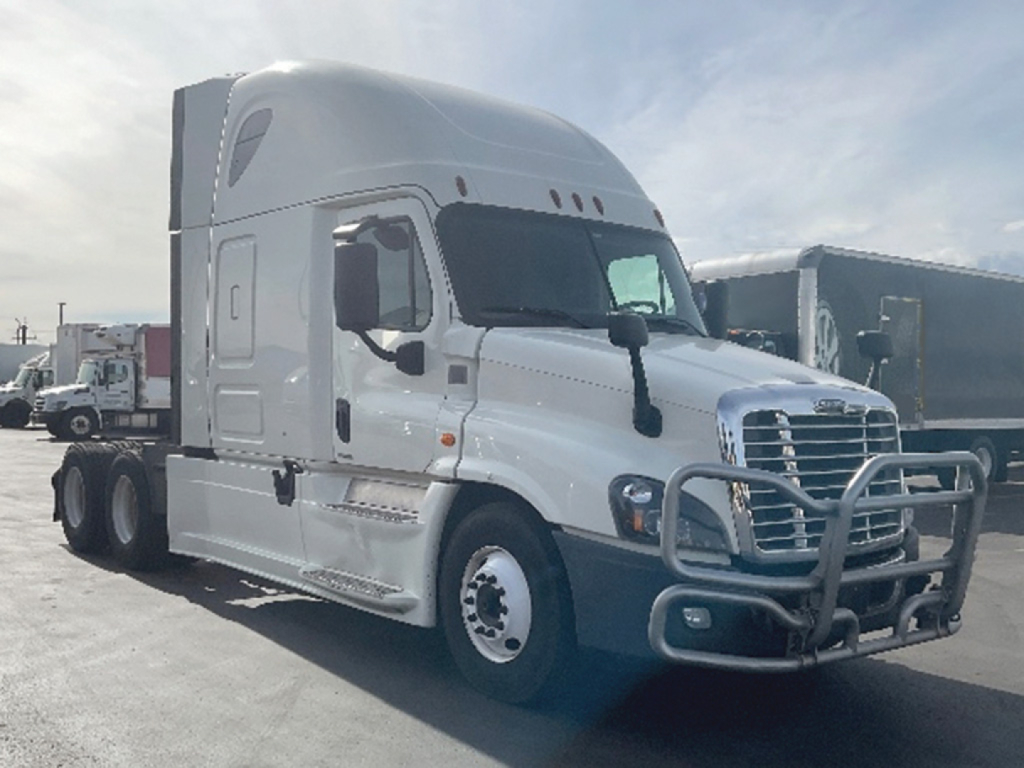

Have 2018 truck to sell? List it here to reach thousands of buyers.
About 2018 Trucks in Colorado
For highway tractors, 2018 models commonly include 12-speed automated manual transmissions, aerodynamic sleeper packages, and engine ratings in the 400 to 500 horsepower range. Day cabs from this year are often spec'd with 3.08 to 3.55 rear ratios for regional hauling, while sleeper trucks may carry taller gearing aimed at fuel economy on longer lanes. Buyers should check rear axle capacity, wheelbase, fifth wheel setup, and whether the truck has features like engine brake, air ride suspension, and sliding fifth wheel. In Colorado service, cooling system condition, DPF and SCR maintenance history, and tire wear patterns matter as much as the headline engine spec. A truck that spent time on Front Range regional routes may show a different wear profile than one that worked steep grades or oilfield traffic.
Medium-duty and vocational 2018 trucks cover a wide range, including box trucks, flatbeds, service bodies, dump trucks, mixers, and municipal configurations. Common specs in this class include diesel engines from Cummins, PACCAR, Detroit, Mack, and International-backed platforms, with Allison automatic transmissions being especially common in delivery and vocational work. GVWR can range from under-CDL 26,000 pounds up through tandem-axle heavy vocational chassis, so buyers need to match the truck to payload, body weight, and operating environment. Wheelbase becomes especially important if a body swap, liftgate, PTO equipment, or tight urban maneuvering is part of the plan. On box and delivery trucks, pay attention to body length, door type, liftgate capacity, and roof or floor condition. On vocational units, inspect PTO operation, frame condition, suspension type, and signs of hard off-road or jobsite use.
A 2018 truck is often attractive because it sits in a practical middle ground: new enough to offer better cab ergonomics and drivetrain refinement than older iron, but old enough to present more manageable acquisition cost for many fleets and owner-operators. The smartest comparison is not just price against price. Compare mileage, idle hours, maintenance records, brake type, axle configuration, engine family, and emissions service history. In Colorado, buyers should also consider altitude performance, cold-weather starting equipment, and corrosion exposure from seasonal road treatment. A well-spec'd 2018 truck with the right gearing and documented service can still be a dependable platform for regional freight, construction support, local delivery, or vocational work.
Frequently Asked Questions
What should I look for when buying a 2018 truck in Colorado?
Start with service history, engine hours, mileage, and the truck’s original application. In Colorado, cooling system condition, aftertreatment maintenance, cold-start performance, and brake and tire wear are especially important because trucks often face mountain grades, winter weather, and mixed-duty routes. Buyers should also verify axle ratings, rear ratio, wheelbase, and suspension against the job the truck will actually perform.
Is a 2018 truck too old for fleet or owner-operator use?
Not necessarily. A 2018 truck can still be a productive unit if it has the right spec and a solid maintenance record. Many trucks from this model year offer modern automated transmissions, efficient aerodynamic packages, and current diesel engine platforms. The better question is how the truck was used, how it was maintained, and whether its configuration matches your intended operation.
What engine and transmission setups are common in 2018 trucks?
2018 trucks commonly came with diesel engines from Cummins, PACCAR, Detroit, Mack, and similar major manufacturers, depending on make and class. Highway tractors often used automated manual transmissions such as 10-speed or 12-speed units, while medium-duty and vocational trucks frequently used Allison automatics. The best setup depends on terrain, payload, driver preference, and whether the truck is used for linehaul, regional work, or stop-and-go vocational service.
Are 2018 day cabs and sleeper trucks spec'd differently?
Yes. A 2018 day cab is usually built for local or regional freight with shorter wheelbase options, lighter overall configuration, and gearing suited to frequent starts, stops, and shorter runs. A 2018 sleeper truck is more likely to include a larger fuel capacity, aerodynamic fairings, a longer wheelbase, and rear ratios selected for fuel economy at highway speed. Buyers should compare the truck’s gearing, cab layout, fifth wheel arrangement, and suspension to the lane it will run.
Why does wheelbase matter on a 2018 truck?
Wheelbase affects maneuverability, bridge law flexibility, body fitment, ride quality, and how the truck carries weight. On a tractor, it helps determine trailer gap and fifth wheel placement. On a straight truck, it directly affects what body length can be installed and how the truck behaves in tight delivery or jobsite conditions. Matching wheelbase to the application is one of the most important spec decisions a buyer can make.