
2017 Commercial Trucks For Sale in Michigan
Browse 2017 trucks for sale in Michigan, including day cabs, sleepers, medium-duty, vocational, flatbed, and specialty work truck options.
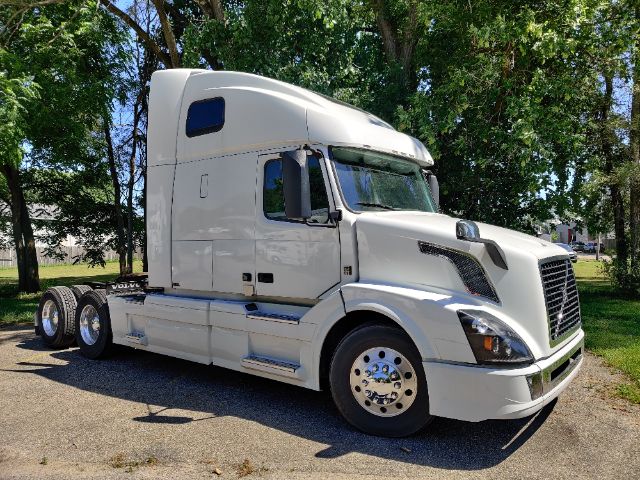
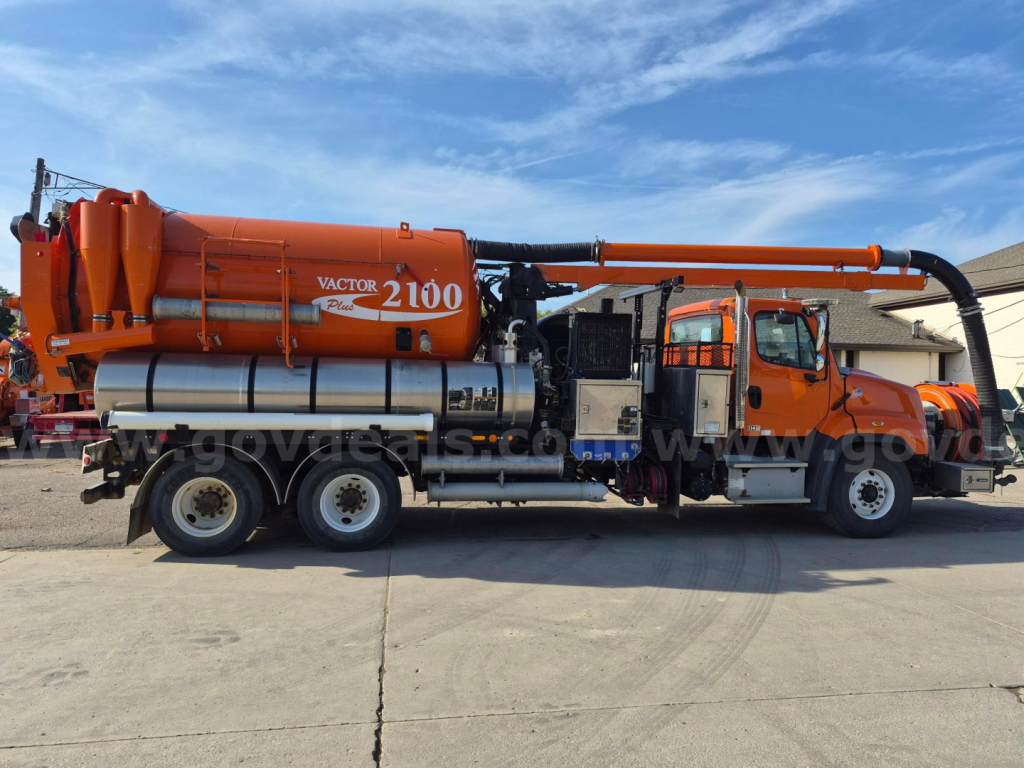
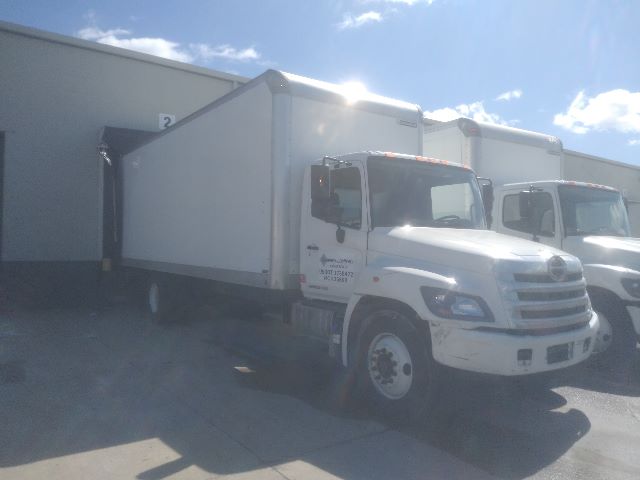
Have 2017 commercial truck to sell? List it here to reach thousands of buyers.
2017 Commercial Trucks in Michigan
The right 2017 truck depends heavily on the job cycle. For regional freight and long-haul work, pay attention to sleeper size, wheelbase, rear axle ratio, fuel capacity, and transmission spec. A 10-speed or automated manual can be a practical fit for mixed-route operations, while 13-speed and higher specs are more common when heavier loads, grade changes, or specialized hauling are involved. In medium-duty and vocational trucks, key buying points include GVWR, front axle capacity, body upfit condition, PTO compatibility, suspension type, and whether the truck is configured for palletized freight, dump, rollback, hooklift, or municipal service. If the truck will spend most of its life in tighter urban areas or job sites, turning radius, cab-to-axle measurement, and visibility matter as much as engine rating.
Michigan buyers should also evaluate how a 2017 truck has handled climate and road conditions. Frame condition, corrosion around crossmembers, brake lines, wiring, cab mounts, and suspension components deserve a close look, especially on trucks exposed to winter salt. On tractors, check fifth wheel wear, driveline condition, DEF and DPF service history, and signs of repeated cold-weather idling. On straight trucks, inspect the body, hoist, liftgate, rails, subframe, and hydraulic components for rust and repair quality. Tire size, axle ratings, and suspension setup should match the intended payload, not just the current price point.
A well-chosen 2017 truck can still deliver strong service life if the spec matches the route and maintenance history is documented. Buyers should compare mileage to engine hours, review regen frequency and aftertreatment repairs, and verify that transmission, clutch, suspension, and brake components fit the truck’s application. For many fleets and owner-operators, this model year remains a practical balance of acquisition cost, driver comfort, and usable technology across both Class 8 tractors and medium-duty commercial trucks.
Frequently Asked Questions about 2017 Commercial Trucks in Michigan
What should I check first on a 2017 used truck?
Start with the truck’s application fit, then move to condition. Confirm axle ratings, GVWR or GCWR, wheelbase, engine horsepower, transmission type, and suspension are correct for the work you plan to do. After that, review maintenance records, fault codes, engine hours, emissions system history, brake and tire condition, and any corrosion on the frame or body. On Michigan trucks, rust and winter exposure can matter as much as mileage.
Are 2017 trucks a good value compared with newer models?
A 2017 truck is often a strong value point because it can offer modern cab features, updated safety and drivability improvements, and broad parts support without the higher acquisition cost of much newer equipment. The tradeoff is that condition varies widely by prior use and maintenance discipline. A properly maintained 2017 truck can be a better buy than a newer unit with poor service history or an incorrect spec.
What engine and transmission setups are common in 2017 trucks?
In 2017 trucks, common engine makes include Cummins, Detroit, Paccar, Volvo, and Navistar, with medium-duty units also appearing with Caterpillar in older vocational segments still trading through the market. Buyers will commonly see manual 10-speed and 13-speed transmissions, plus automated manual and automatic options depending on the truck class and application. The best setup depends on route profile, load weight, driver pool, and maintenance preference.
Do emissions components matter more on a 2017 truck?
Yes. By 2017, emissions systems were standard across the market, so DPF, DEF, SCR, sensors, and related wiring are critical inspection points. Review service records for forced regens, injector work, DEF pump replacement, doser issues, NOx sensor history, and downtime related to aftertreatment faults. A truck with a documented emissions maintenance history is usually a safer purchase than one with missing records.
What types of 2017 trucks are most common on the used market?
The 2017 used truck market typically includes conventional sleeper tractors, day cabs, flatbed trucks, box and delivery trucks, hooklift and rollback trucks, and other vocational chassis. The mix depends on region and industry demand. In a state like Michigan, buyers often compare road tractors for regional freight with medium-duty and vocational trucks for construction, service, municipal, and local delivery work.