
2016 Commercial Trucks For Sale in North Carolina
Shop 2016 used trucks in North Carolina, including dump, garbage, day cab, sleeper, and vocational models for regional or jobsite work.
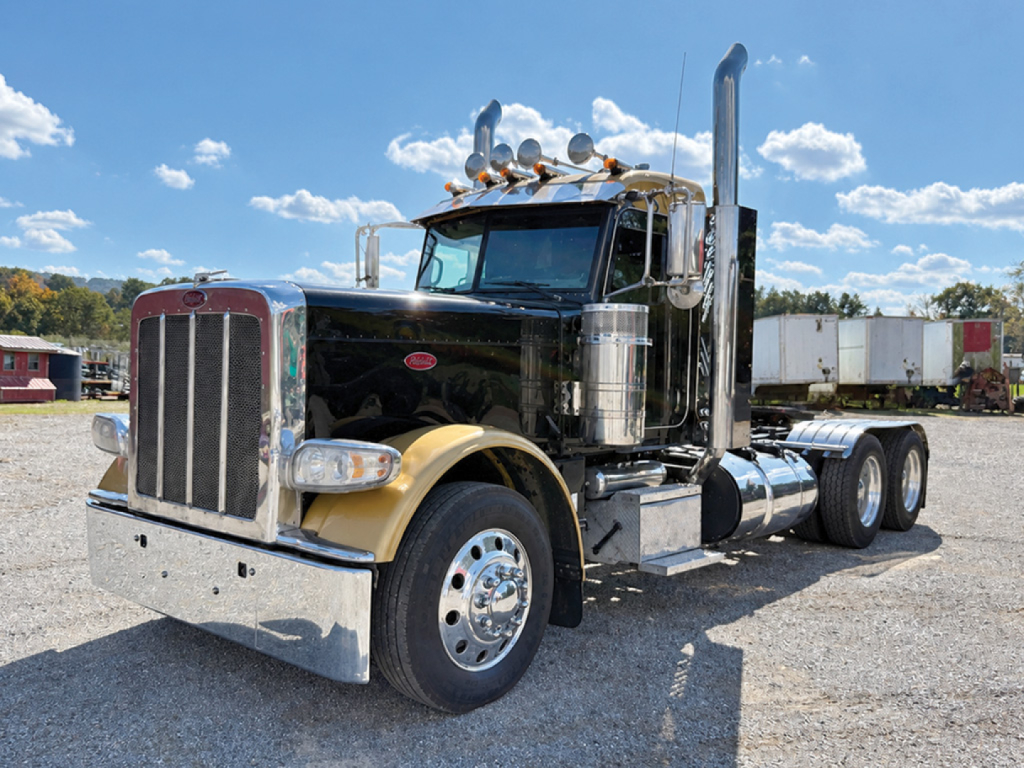
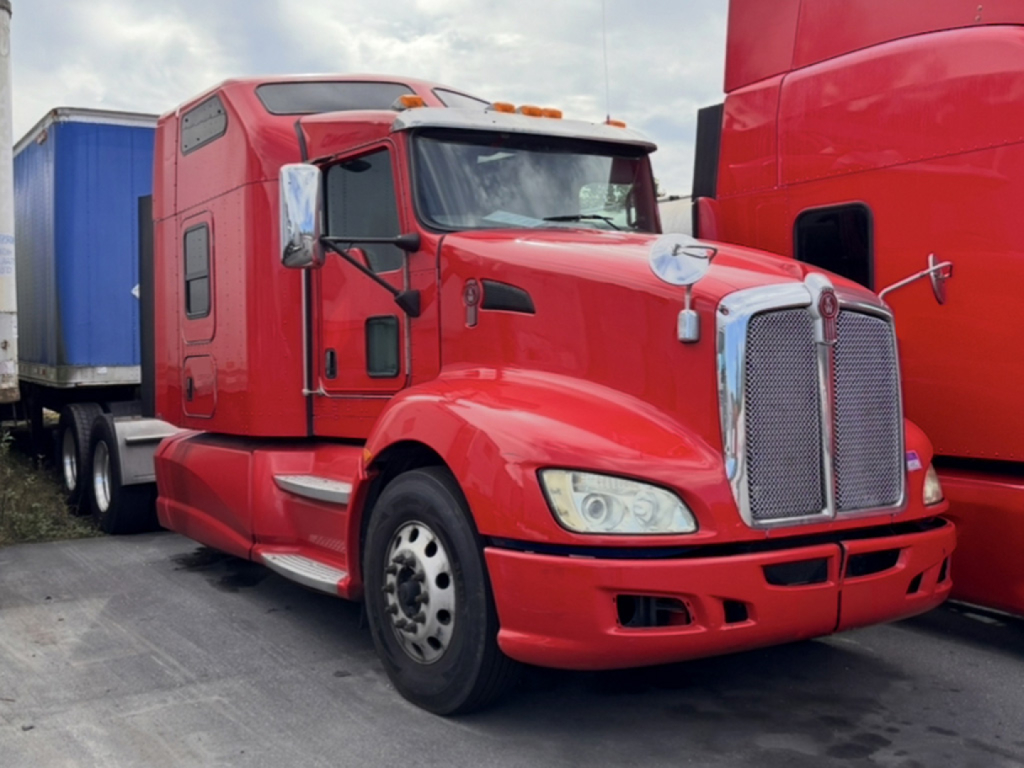
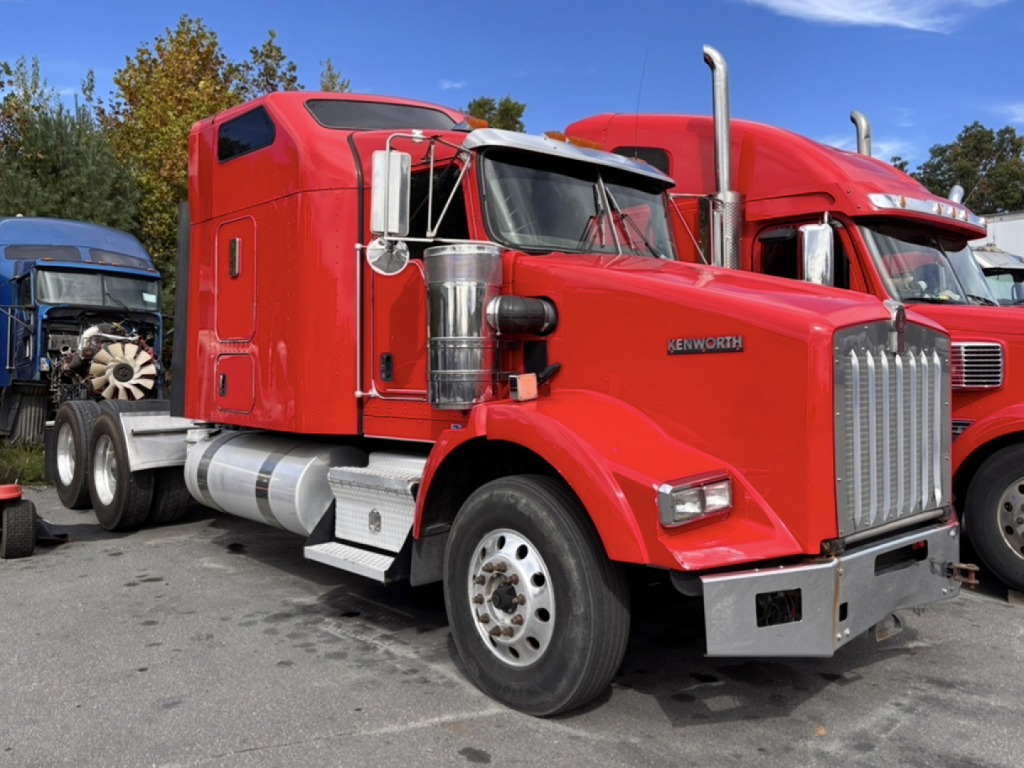
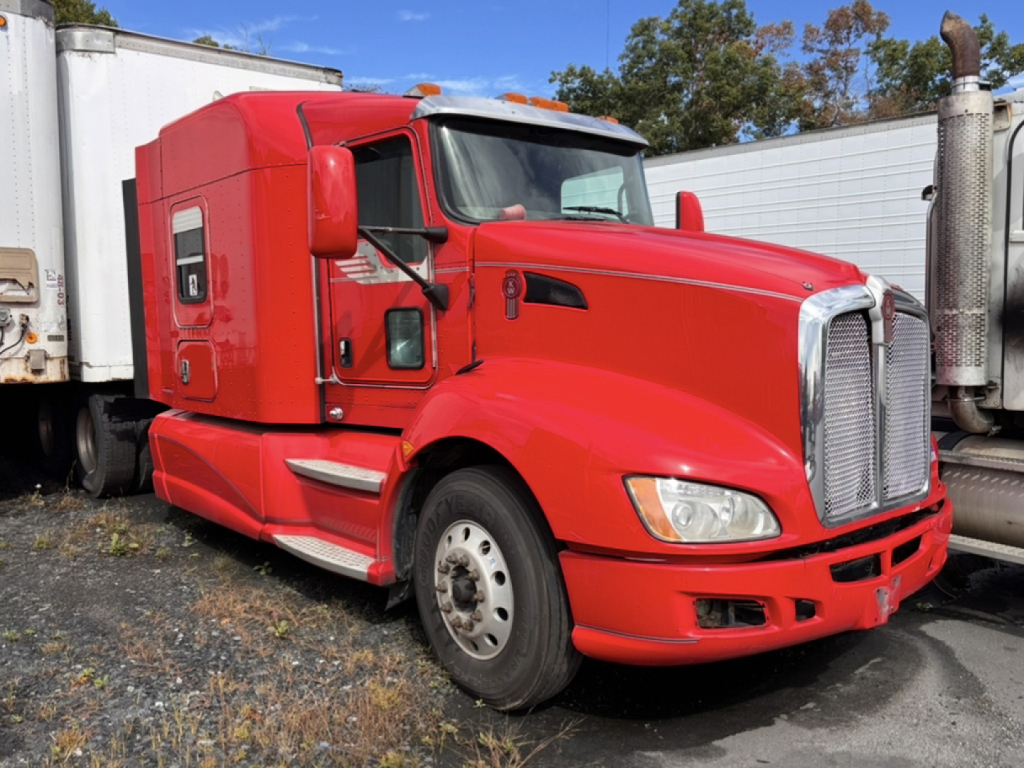

Selling a 2016 commercial truck? List your 2016 commercial truck for sale and reach thousands of commercial buyers.
2016 Commercial Trucks in North Carolina
For highway use, many 2016 trucks were built with automated manual transmissions, 400 to 500 horsepower diesel engines, air ride suspensions, and axle ratios aimed at fuel economy or regional haul performance. Day cabs in this year are common for port, distribution, and short-haul work, while sleepers are more likely to show raised-roof configurations, 72-inch class sleepers, collision mitigation options, and air slide fifth wheels. Buyers comparing a 2016 road tractor should pay close attention to wheelbase, rear axle rating, transmission model, and ratio. A 40,000 lb tandem with a 2.41 to 2.79 ratio fits a very different operation than a single-axle setup with a 23,000 lb rear and a shorter wheelbase.
On the vocational side, 2016 trucks in North Carolina often include dump trucks, garbage trucks, cab and chassis platforms, and severe-duty configurations from builders like Autocar, International, Mack, Kenworth, Peterbilt, Freightliner, and Volvo. Here, GVWR and body integration are the first filters. A refuse truck with an auto side load body, dual steer, or packer system needs a different inspection approach than a tandem dump or a plain chassis waiting for upfit. Buyers should look closely at PTO operation, body hydraulics, suspension type, frame condition, steering components, brake spec, and signs of corrosion around the body mounts, hoist, hopper, tailgate, or packer structure. In a state like North Carolina, regional climate is generally easier on frames than northern road salt markets, but coastal exposure and municipal stop-and-go use can still accelerate rust and wear.
A smart 2016 truck purchase comes down to application fit and total reconditioning cost. Check engine family, emissions history, DEF and DPF service records, transmission calibration, tire date codes, and any major component replacements already completed. On vocational units, idle hours and PTO hours can matter as much as odometer miles. On tractors, look at fifth wheel wear, driveline condition, brake type, and cab equipment that affects driver retention and uptime. A well-spec'd 2016 truck can still be a dependable revenue unit if the maintenance file supports it and the truck was built for the work you plan to do.
Frequently Asked Questions about 2016 Commercial Trucks in North Carolina
What should I look for first when buying a 2016 used truck?
Start with the truck's intended job, then verify that the axle ratings, wheelbase, engine, transmission, and body or fifth wheel setup match that application. After that, review maintenance records, engine fault history, emissions repairs, and any recent major component work. On a 2016 model, condition and service history usually matter more than brand preference alone.
Are 2016 trucks a good value for owner-operators and small fleets?
Yes, a 2016 truck can be a strong value if it has been maintained properly and does not need major reconditioning right away. Many 2016 units offer modern drivability, common parts availability, and proven powertrain combinations at a lower purchase price than newer trucks. The key is to budget realistically for tires, brakes, suspension work, and emissions-related service if those items are near end of life.
How do I evaluate a 2016 vocational truck like a dump truck or garbage truck?
Inspect both the chassis and the body as separate systems. Confirm GVWR, frame integrity, suspension, brake condition, steering wear, PTO function, and hydraulic performance. Then inspect the body for cracks, rust, floor wear, cylinder leaks, tailgate or hopper damage, and signs of hard municipal or construction use. On refuse trucks, packer operation, body controls, and cab configuration such as dual steer are especially important.
Do miles matter more than hours on a 2016 truck?
It depends on the truck type. Highway tractors are usually judged more heavily by mileage, maintenance history, and driveline wear. Vocational trucks, especially refuse and municipal units, may accumulate lower miles but much higher engine idle time and PTO hours, which can create significant wear on the engine, hydraulics, and cab systems. A low-mile vocational truck is not automatically a light-use truck.
What engine and transmission specs are common on 2016 trucks?
Many 2016 highway trucks were spec'd with diesel engines in the 350 to 500 horsepower range and either automated manual or full automatic transmissions, depending on application. Vocational trucks often used Allison automatic transmissions and medium- to heavy-duty diesel engines suited for stop-and-go work, PTO use, and higher GVWRs. Rear axle ratings, gear ratios, and suspension type should always be reviewed alongside the engine and transmission, because those specs determine how the truck will actually perform in service.