
2014 Commercial Trucks For Sale in Pennsylvania
Browse 2014 trucks for sale in Pennsylvania, including highway tractors, medium-duty work trucks, dump trucks, box trucks, and service bodies.
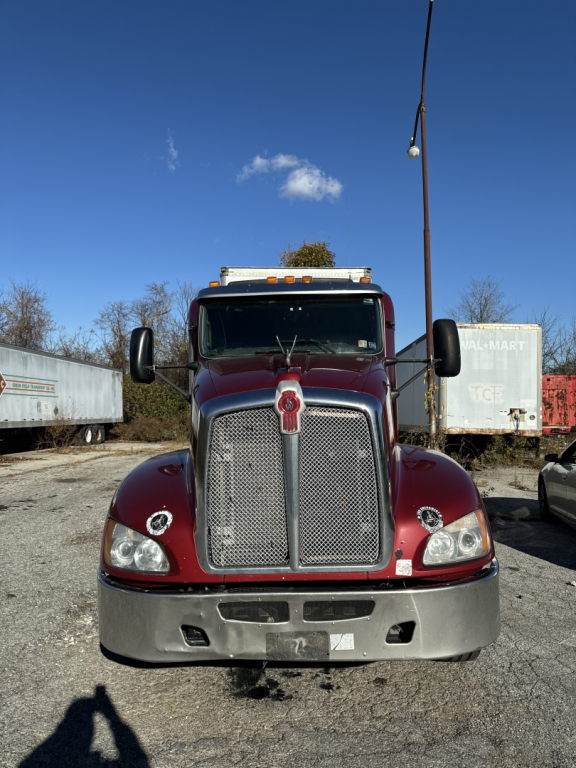
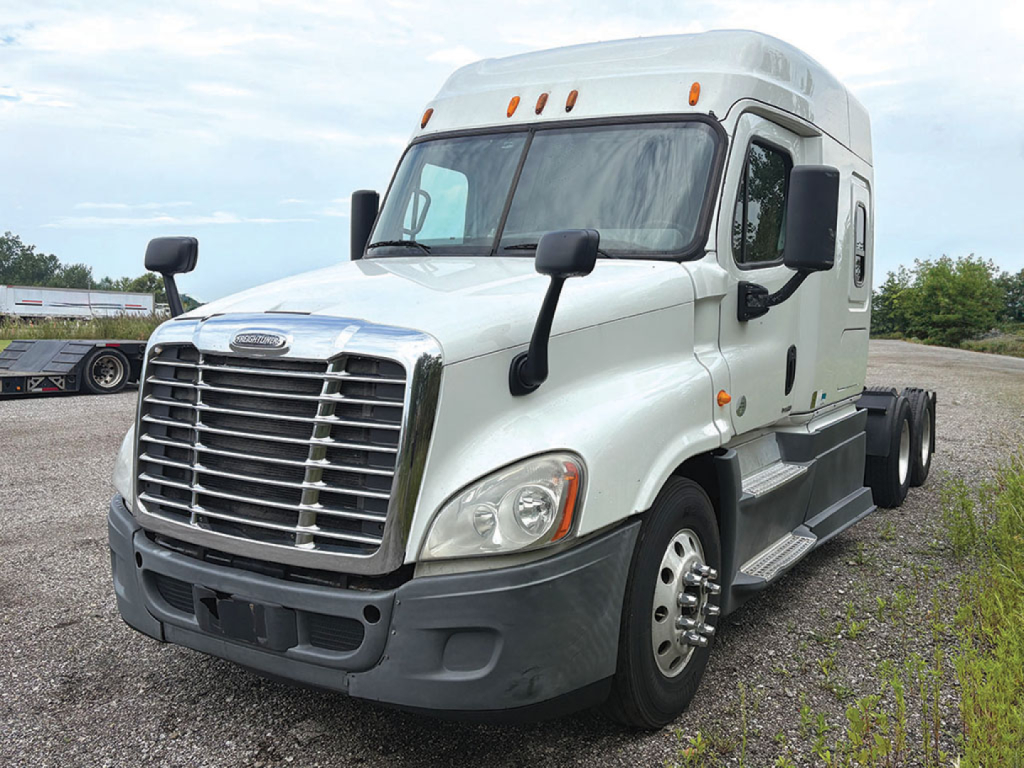
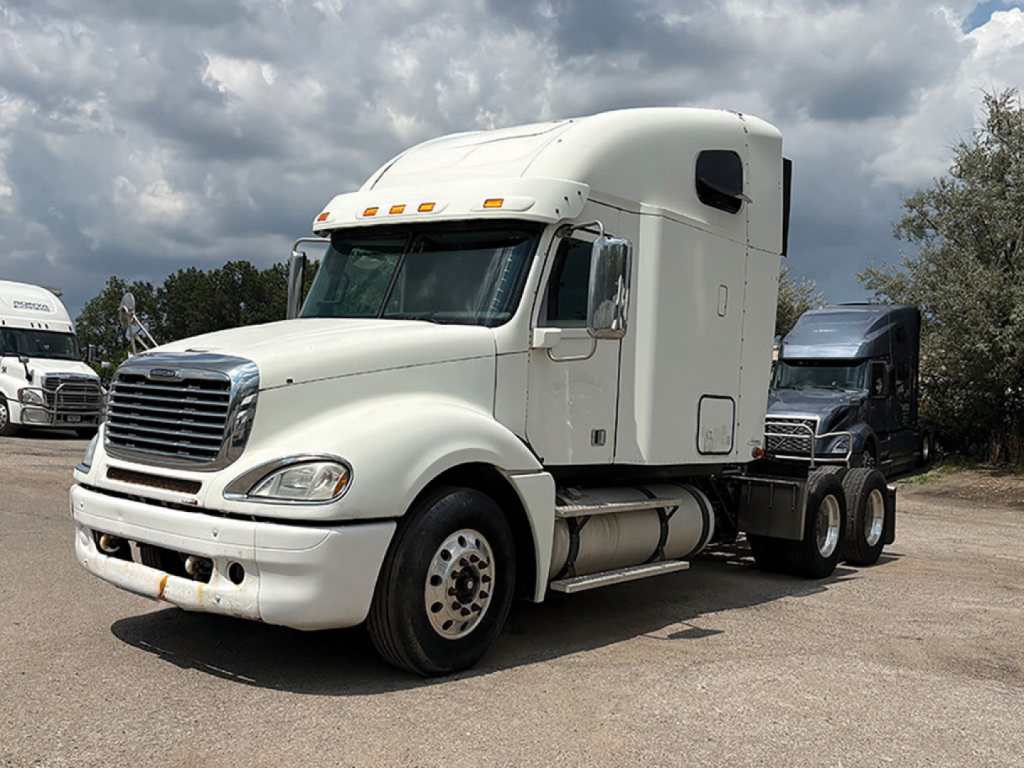
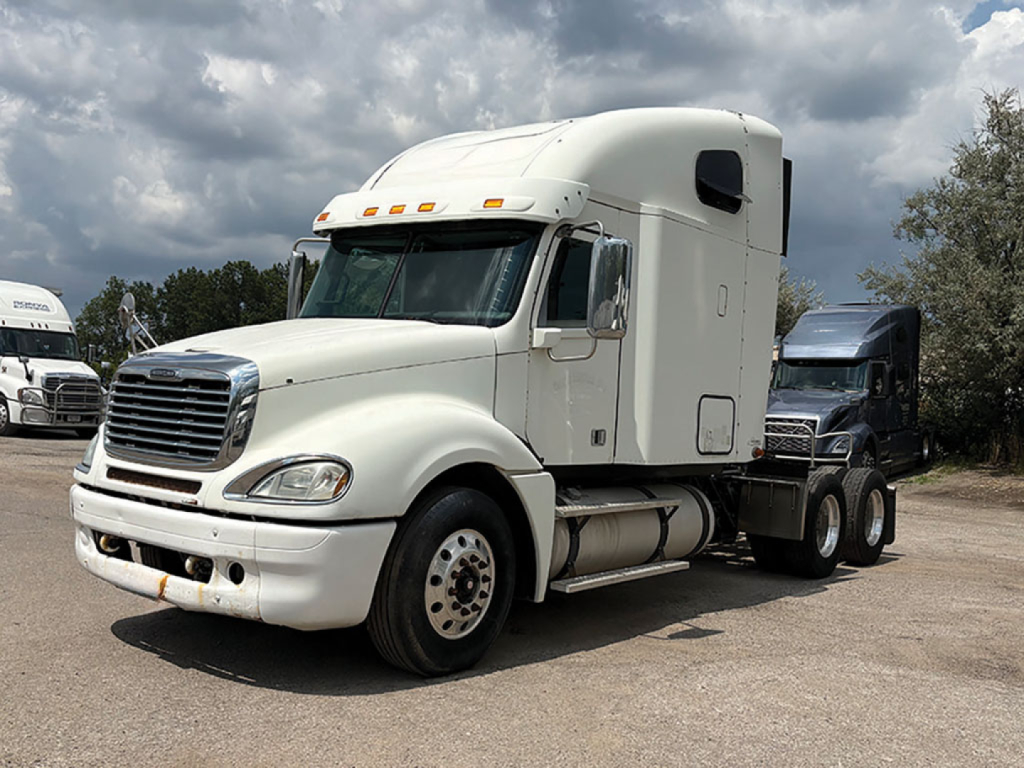
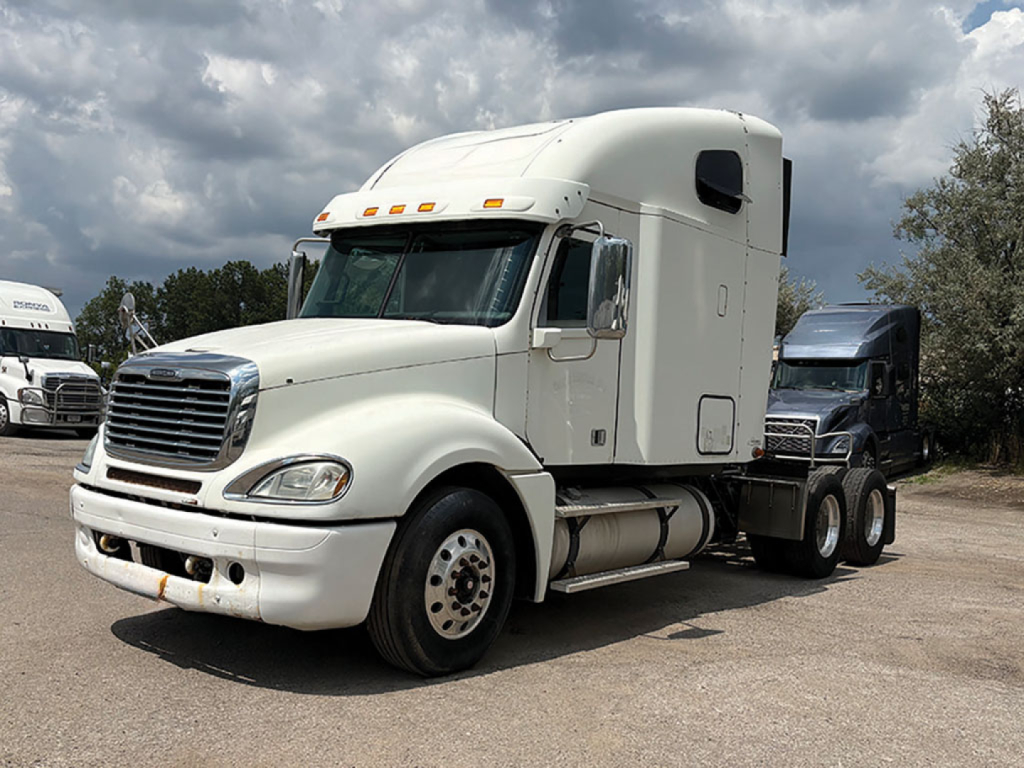
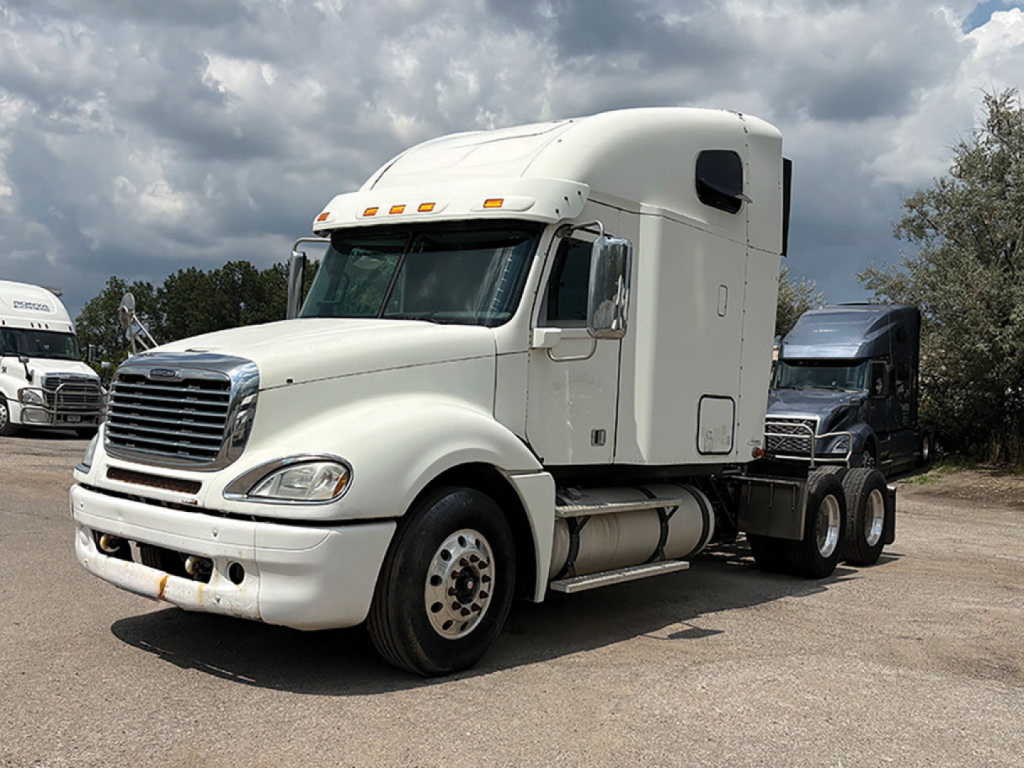
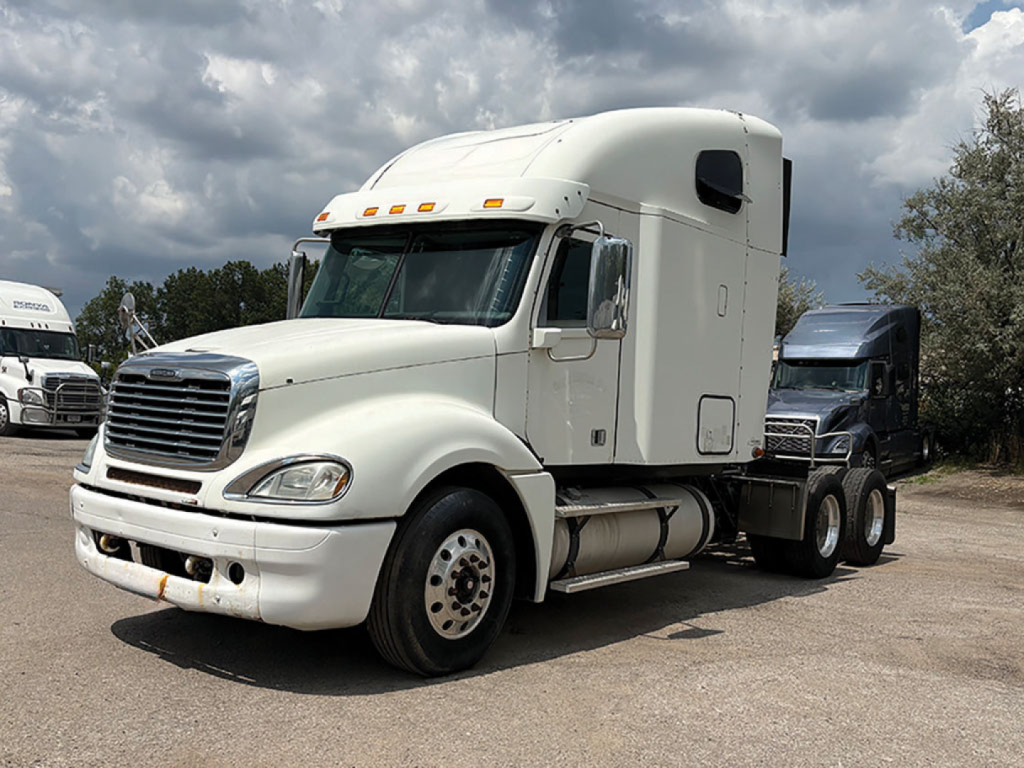
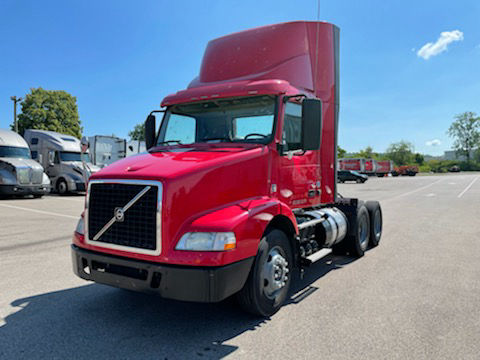

Have 2014 commercial truck to sell? List it here to reach thousands of buyers.
2014 Commercial Trucks in Pennsylvania
For highway tractors, many 2014 trucks were built with engines such as the Cummins ISX, Paccar MX, Detroit DD13 or DD15, and Mack MP series, commonly paired with 10-speed, 13-speed, or automated manual transmissions. Buyers should compare horsepower and torque against rear axle ratio, tire size, and intended cruising speed. A 2.64 or 2.79 ratio may favor fuel economy on long interstate runs, while a deeper ratio can be better for heavier regional work or mixed terrain. Day cabs and sleepers from this year often come with 12,000-pound front axles, 40,000-pound rears, air ride suspension, and wheelbases set up for van, reefer, flatbed, or tanker service. If the truck will haul heavier freight or operate in stop-and-go work, check clutch life, transmission calibration, suspension wear, and the condition of the DPF, DEF, and SCR systems.
On the medium-duty and vocational side, 2014 trucks cover a wide range of applications. Buyers in Pennsylvania often shop this year for refrigerated straight trucks, dry van bodies, landscape dumps, rollback wreckers, utility bodies, and municipal or contractor units. Common diesel platforms include the Cummins ISB, ISC, or ISL, Detroit DD8, and medium-duty variants from International and Hino. Specs that matter most here are GVWR, axle configuration, body length, PTO setup, liftgate or reefer hours, and brake and suspension type. A reefer truck should be evaluated as both a chassis and a refrigeration package. A service truck should be judged by crane, compressor, generator, toolbox layout, and whether the body and outriggers fit the work. In this age range, body condition, frame corrosion, wiring repairs, and hydraulic leaks can matter as much as engine hours.
Pennsylvania buyers should pay extra attention to corrosion on frames, cab mounts, crossmembers, brake lines, and electrical connectors due to road salt and winter operation. Service records carry real weight on a 2014 truck, especially for emissions repairs, injector work, turbo replacement, EGR maintenance, and transmission service. Mileage alone does not tell the whole story. A well-maintained fleet truck with documented PM intervals can be a better buy than a lower-mile unit with unclear history. Look for clear signs that the truck's previous application matches your own needs, because changing a truck from highway use to vocational work, or vice versa, can get expensive quickly once gearing, PTO, wet kits, body mounts, or wheelbase changes are involved.
Frequently Asked Questions about 2014 Commercial Trucks in Pennsylvania
What should I check first when buying a 2014 truck in Pennsylvania?
Start with rust, maintenance history, and emissions system condition. Pennsylvania trucks often see winter roads and salt exposure, so frame rails, cab mounts, crossmembers, fuel tank straps, brake components, and electrical connections deserve a careful inspection. After that, review service records for DPF cleaning, DEF and SCR repairs, EGR work, injector replacement, turbo service, and transmission maintenance. A 2014 truck with complete records and moderate cosmetic wear is often a safer purchase than a cleaner-looking unit with no documented history.
Are 2014 diesel trucks a good value for commercial use?
They can be, especially for buyers who need a lower acquisition cost but still want modern power, acceptable cab comfort, and broad parts support. The value depends on the truck's original application and how well it was maintained. A properly spec'd 2014 day cab, sleeper, box truck, reefer, or utility truck can still deliver solid service life if the engine, transmission, suspension, brakes, and emissions systems have been kept up. The best buys in this year range are usually trucks with a clear maintenance file and a spec that closely matches the work you plan to do.
Which specs matter most on a 2014 semi truck?
Engine model, horsepower, torque, transmission type, rear axle ratio, suspension, axle ratings, and wheelbase are the core specs to compare. These determine how the truck performs under load, what fuel economy you can expect, and whether it fits your trailer and route profile. For example, a fuel-mileage sleeper with tall gearing may be ideal for interstate freight, while a day cab with a deeper rear ratio can be better for regional hauling, heavier starts, or mixed terrain. Buyers should also confirm fifth wheel setup, tire size, and whether the truck has features such as an engine brake, bunk heater, APU, or sliding fifth wheel.
Is mileage or engine hours more important on a 2014 truck?
Neither should be viewed alone. Mileage matters on linehaul tractors, but engine hours can be just as important, especially on trucks with high idle time, PTO use, or refrigeration and utility applications. A lower-mile truck with extensive idle hours may show more wear in the engine and emissions system than the odometer suggests. The best way to judge a 2014 truck is to compare mileage, hours, maintenance records, fault history, and visible wear on the cab, chassis, suspension, brakes, and driveline together.
What types of 2014 trucks are commonly available on the used market?
The 2014 market usually includes conventional sleeper tractors, day cab semis, refrigerated straight trucks, dry box trucks, dumps, flatbeds, utility and service body trucks, and medium-duty delivery chassis. That variety is useful for buyers because it allows comparison across many applications and specs at a similar price point. The right choice depends on GVWR, body type, axle setup, engine and transmission pairing, and how closely the truck's prior use matches your current operation.