
2013 Commercial Trucks For Sale in North Carolina

Have 2013 commercial truck to sell? List it here to reach thousands of buyers.
2013 Commercial Trucks in North Carolina
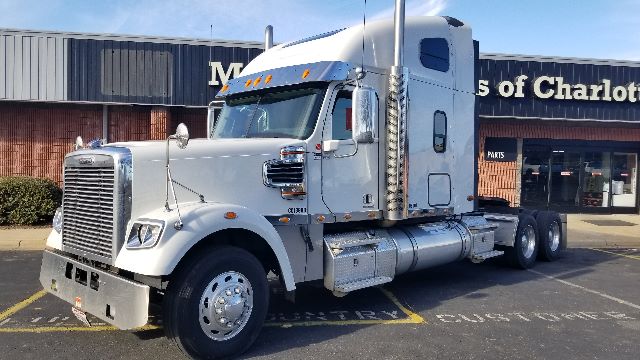
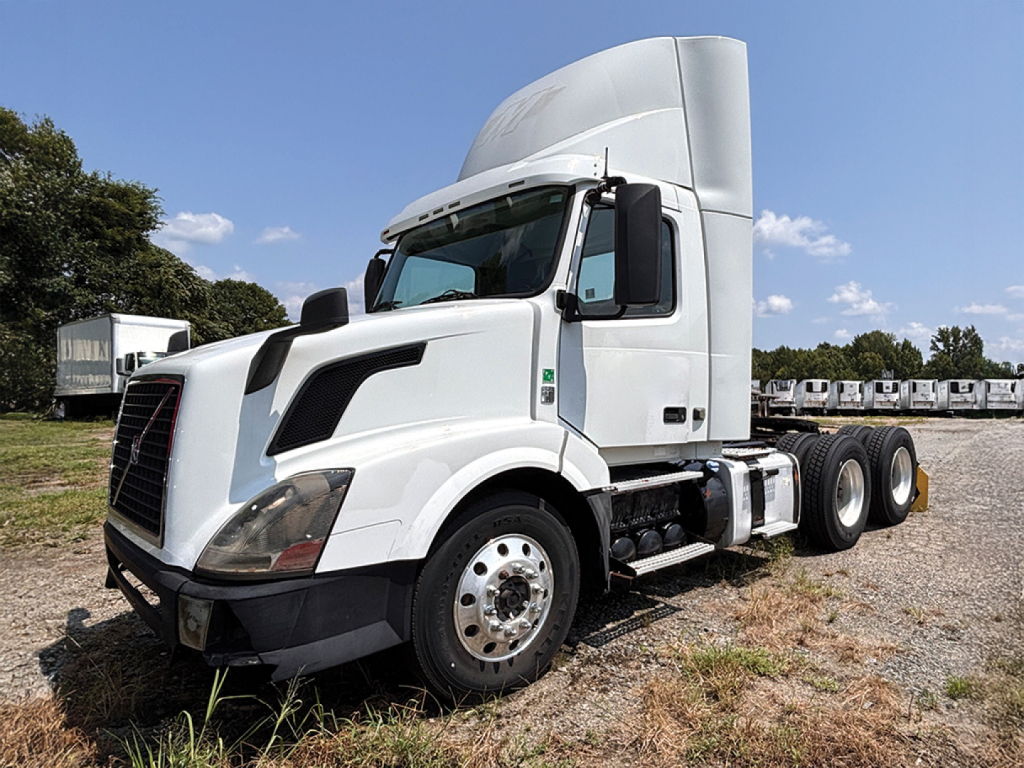
For over-the-road and regional hauling, many 2013 highway tractors were spec'd with 6x4 tandem drives, 10-speed or 13-speed manuals, and rear axle ratios in the low 3s for a balance of pulling power and cruise RPM. Sleeper trucks from this era often carry 70-inch to 72-inch raised-roof sleepers, air ride suspension, sliding fifth wheels, and 40,000 lb rear axles. Buyers comparing listings should pay close attention to wheelbase, horsepower, engine brake, fuel capacity, suspension type, and brake setup. A 2013 long-hood truck may appeal to operators who want a heavier-duty spec, a premium interior, or a show-quality appearance, while aerodynamic conventionals are usually the better fit for fuel-conscious fleet work.
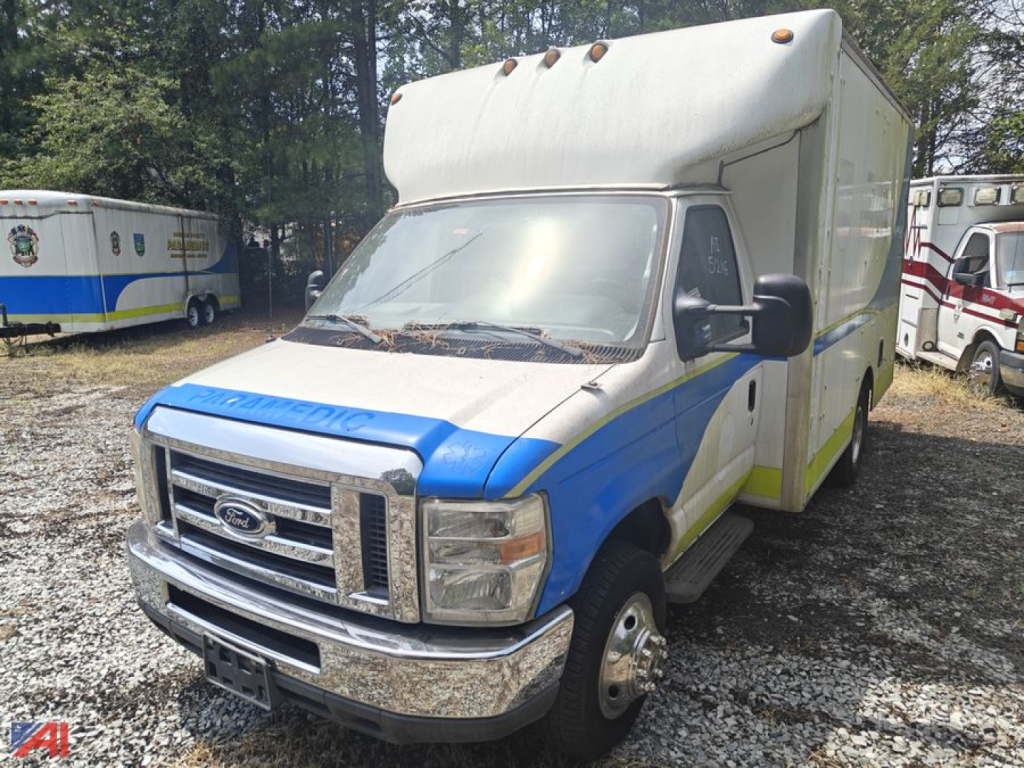
On the vocational side, 2013 trucks cover a wide range of applications including garbage trucks, vacuum trucks, dump configurations, and municipal service units. These trucks are often selected more by body, PTO setup, front axle rating, and hydraulic compatibility than by cab trim. If the truck will run in stop-and-go service, an Allison automatic, high-GVWR chassis, and strong maintenance records matter more than cosmetic condition. Front axle capacity, frame rail condition, body hours, and evidence of PTO or hydraulic repairs are especially important on vocational listings. In North Carolina, local terrain, urban routes, and municipal duty cycles can make axle ratings and brake condition just as important as engine miles.
The biggest buying decision on any 2013 truck is condition, not just age. Review engine service records, aftertreatment work, clutch or transmission history, suspension wear, and signs of frame corrosion or body rust. On highway tractors, check for tire wear patterns, kingpin and bushing play, air system leaks, and differential noise. On vocational units, verify body operation, pump performance, cylinder condition, hopper or tank integrity, and overall hours in addition to mileage. A well-maintained 2013 truck can still deliver reliable service, but the right choice comes from matching the truck's original spec to your freight, route, and maintenance plan.
Frequently Asked Questions about 2013 Commercial Trucks in North Carolina
What should I look for first when buying a 2013 truck?
Start with the truck's original application and maintenance history. A 2013 truck that was properly spec'd for its work and serviced on schedule is usually a better buy than a newer truck with poor records. Review engine and aftertreatment repairs, transmission service, axle ratio, suspension type, and brake condition. On vocational trucks, check body hours, PTO operation, hydraulic components, and frame condition along with mileage.
Are 2013 trucks still a good value for commercial use?
Yes, many 2013 trucks still make sense for commercial buyers because they can offer lower acquisition cost with proven drivetrains and familiar components. The value depends on condition, emissions-system history, and how closely the truck matches the intended job. A clean 2013 highway tractor can still work well in regional or dedicated lanes, and a properly maintained vocational truck can remain productive in municipal, construction, or utility service.
What engine and transmission combinations are common in 2013 trucks?
Common 2013 truck powertrains include Detroit DD-series engines, Cummins ISX or ISL platforms, and other diesel engines from major OEM suppliers. Transmissions from this period often include Eaton Fuller 10-speed and 13-speed manuals, automated manuals, and Allison automatics on vocational units. The right combination depends on duty cycle. Manual and automated manual transmissions are common in highway tractors, while full automatics are often preferred for refuse, vacuum, and stop-and-go municipal work.
How important are axle ratio and wheelbase on a 2013 truck?
Axle ratio and wheelbase are major buying factors because they directly affect performance, maneuverability, and operating cost. A lower numerical ratio such as 3.08 is usually better for highway cruise speed and fuel economy, while a higher numerical ratio like 3.42 can improve startability and pulling power. Wheelbase affects turning radius, trailer compatibility, body fitment, and bridge law considerations. These specs should match the route, load, and trailer or body requirement.
What matters most on a 2013 vocational truck in North Carolina?
For a 2013 vocational truck in North Carolina, focus on chassis condition, axle ratings, PTO function, hydraulic system health, and the condition of the installed body. Stop-and-go municipal routes, utility work, and mixed urban and rural terrain put a lot of strain on brakes, suspensions, and hydraulic systems. Check for rust, cracked welds, cylinder leaks, pump noise, and body-specific wear. A truck with solid frame rails and a fully functional body is usually more important than low mileage alone.