
2013 Commercial Trucks For Sale in Massachusetts
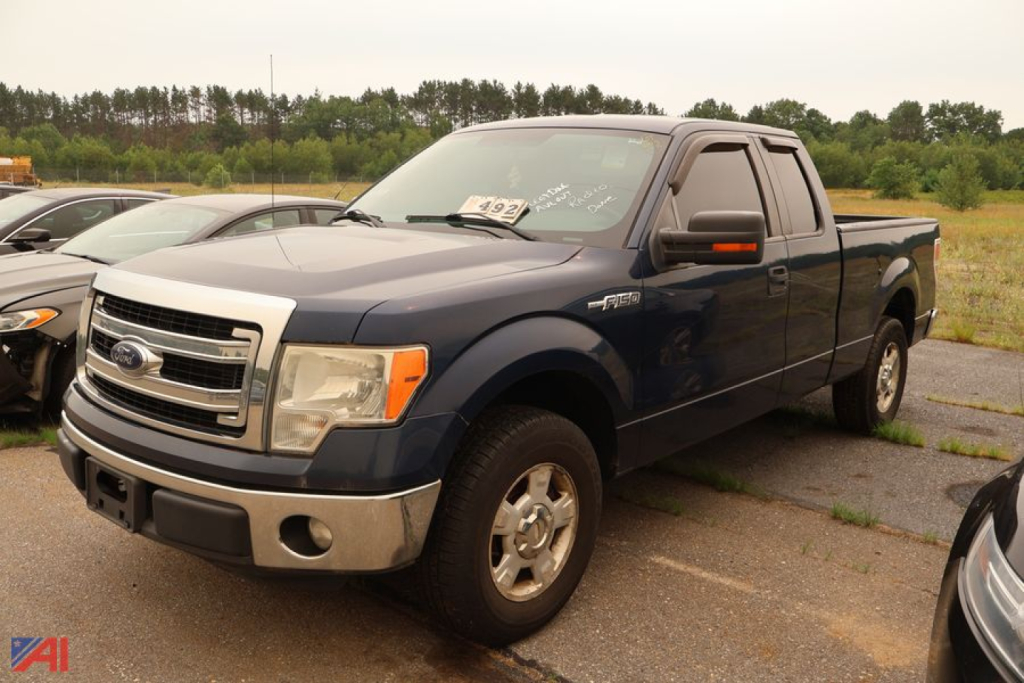
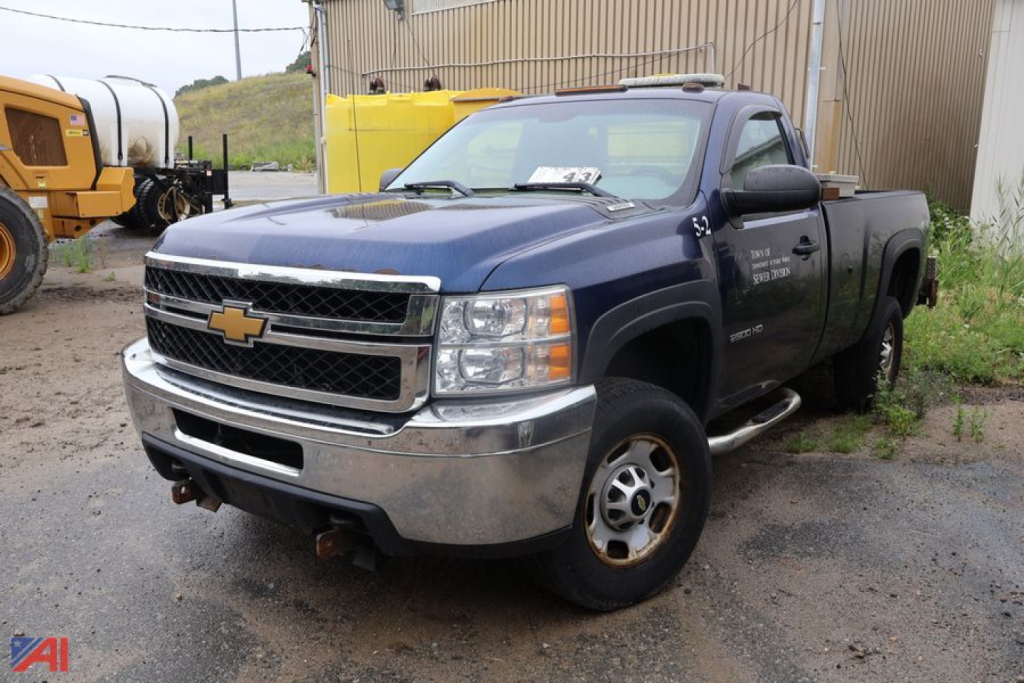
Have 2013 commercial truck to sell? List it here to reach thousands of buyers.
2013 Commercial Trucks in Massachusetts
For heavier applications, 2013 trucks commonly show up with diesel engines from Detroit, Cummins, Paccar, International, and MaxxForce, paired with manual, automatic, or early AMT transmissions. In Massachusetts, that matters because regional haul, municipal work, snow and ice exposure, and stop-and-go vocational duty all accelerate wear differently. Buyers should pay close attention to frame condition, crossmembers, cab mounts, suspension bushings, brake components, and corrosion around battery boxes, fuel tanks, and wiring. On cab and chassis trucks, confirm wheelbase, frame rail dimensions, rear axle capacity, and whether the truck is single axle, tandem, or tri-axle before planning a dump body, hooklift, utility body, reefer box, or flatbed installation.
If the truck is intended for local freight or delivery, focus on body length, door configuration, liftgate compatibility, turning radius, and GVWR. A 2013 box truck or medium-duty platform can still fit route work well if the drivetrain is clean and parts support remains strong. If the truck is a day cab or highway tractor, review horsepower, rear ratio, fifth wheel type, suspension spec, and whether the setup favors fuel economy, short-haul agility, or heavier vocational use. Massachusetts buyers also tend to value trucks already configured for regional compliance and winter operation, including good rubber, working HVAC, and dependable electrical systems.
The best 2013 truck is usually the one with the clearest service story and the fewest surprises in its current configuration. Engine hours can matter as much as miles on vocational units. Idle time, PTO use, prior body upfit work, and evidence of frame modifications all affect long-term value. A careful buyer will compare not just price, but also emissions system condition, tire budget, brake life, driveline wear, and how easily the truck can be put into revenue service. In this year range, a well-spec’d truck with the right chassis and documented upkeep often makes more sense than a newer unit with the wrong application fit.
Frequently Asked Questions about 2013 Commercial Trucks in Massachusetts
What should I check first on a 2013 used truck in Massachusetts?
Start with rust, frame condition, and maintenance records. Massachusetts trucks often see winter road treatment, so corrosion on frame rails, brake lines, wiring, cab corners, battery boxes, and suspension components is a major value factor. After that, confirm engine hours, mileage, DOT-ready condition, tire life, and whether the current spec matches the work you plan to do.
Are 2013 trucks still a good value for commercial use?
Yes, if the truck has the right spec and a solid service history. Many 2013 trucks remain useful in local delivery, municipal, construction, landscaping, towing, and regional hauling. The value is usually strongest when the chassis is straightforward, replacement parts are readily available, and the truck does not need major emissions, transmission, or frame work right away.
What types of 2013 trucks are most common on the used market?
This year commonly includes day cabs, box trucks, cab and chassis units, service or utility trucks, and heavier vocational trucks. Buyers may also find single axle and tandem axle setups, diesel medium-duty platforms, and Class 8 tractors. The available range is broad, so GVWR, axle configuration, wheelbase, and body readiness should be verified on every listing.
How important are miles versus engine hours on a 2013 truck?
Both matter, but engine hours are especially important on vocational and municipal trucks. A truck with moderate miles can still have high idle hours from PTO work, jobsite operation, or seasonal service. High hours can increase wear on the engine, emissions system, and accessories even when the odometer looks favorable, so buyers should evaluate both numbers together.
What specs matter most when buying a 2013 cab and chassis truck?
Wheelbase, frame dimensions, axle ratings, transmission type, PTO provision, suspension, and rear ratio are the key chassis decisions. Those specs determine what body can be installed and how the truck will perform once upfitted. Buyers planning a dump, van body, hooklift, crane, or service body should confirm clear frame length, any prior frame modifications, and whether the truck has the capacity to handle the intended payload.