
2004 Trucks For Sale in Pennsylvania
Have 2004 truck to sell? List it here to reach thousands of buyers.
2004 Trucks in Pennsylvania
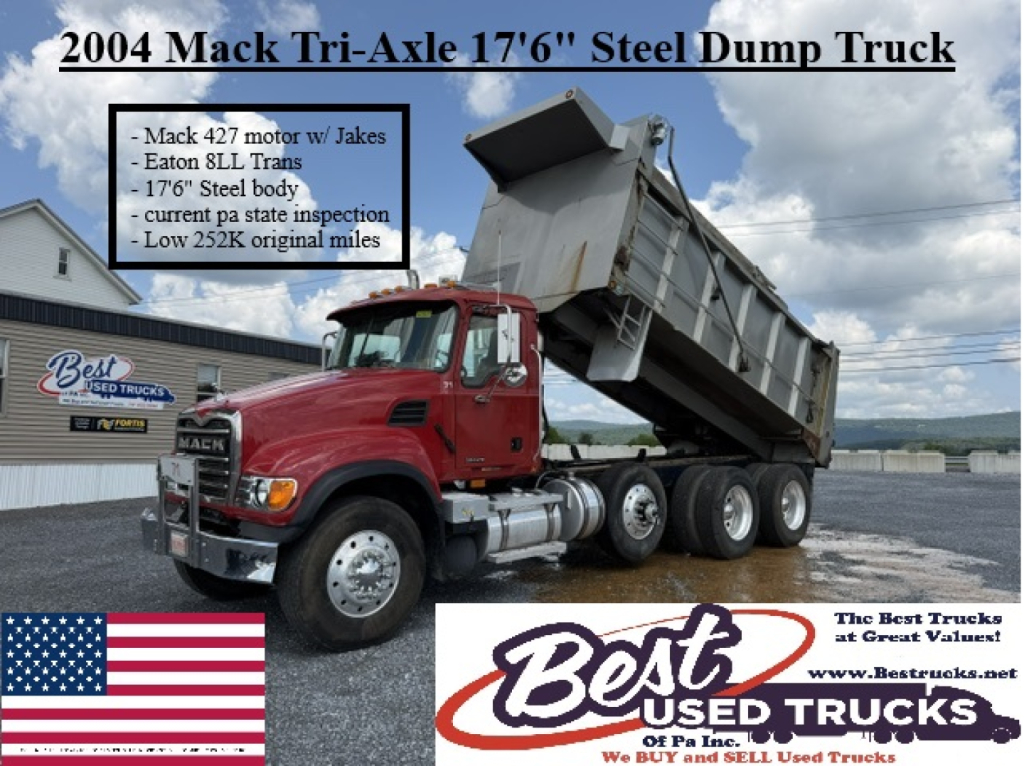
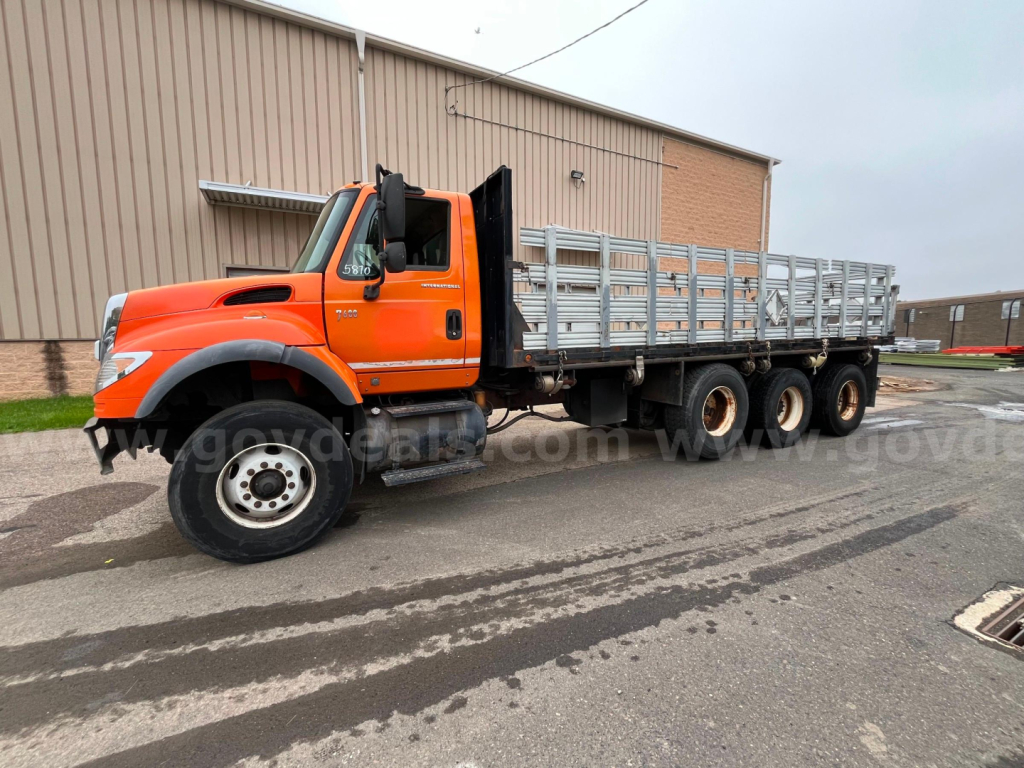
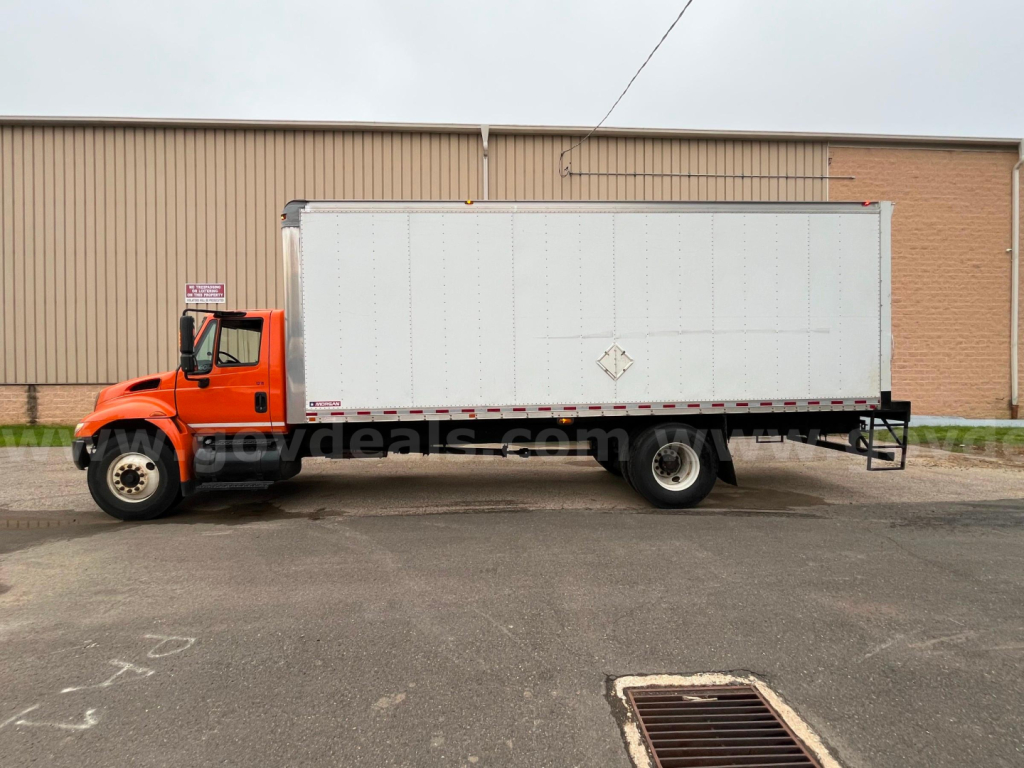
The right 2004 truck depends heavily on intended use and axle layout. Highway tractors from this era commonly show up in tandem axle day cab and sleeper configurations with wheelbases suited for van, reefer, flatbed, or hopper work. Vocational units may include single axle or tandem axle dump trucks, chassis set up for plows or spreaders, and medium-duty trucks with stake, service, or platform bodies. Key specs to compare are GVWR, front and rear axle ratings, suspension type, wheelbase, PTO provisions, brake setup, and tire size. On road tractors, engine make, horsepower, torque rating, transmission model, rear axle ratio, and 5th wheel style matter more than cosmetics because those specs determine how the truck will pull, cruise, and hold up under your load profile.
Pennsylvania buyers should pay close attention to frame condition, cab corrosion, suspension wear, and service history. Road salt and seasonal weather can accelerate rust on crossmembers, spring hangers, cab mounts, dump bodies, and brake components. A 2004 truck may also have high miles or hours, so condition matters more than odometer alone. Look for signs of engine blow-by, oil or coolant contamination, transmission shift quality, differential noise, steering play, and brake chamber or air line age. For vocational trucks, inspect hoists, PTO operation, body floors, tailgates, and hydraulic leaks. For road tractors, review kingpin setting compatibility, air slide operation, and whether the gearing matches the trailer weights and terrain you expect to run.
Buyers comparing 2004 trucks for sale often find the best value in units with a clear maintenance record, a practical spec, and a job match that does not ask the truck to do everything. A sleeper with the right wheelbase and ratio can still serve regional lanes. A day cab may be a cost-effective yard, port, or local haul truck. A dump truck from this model year can work well in seasonal or municipal duty if the frame, body, and driveline are sound. The biggest advantage in this category is straightforward utility. The best purchase is usually the truck with the strongest mechanical condition, the least compromise in spec, and the fewest deferred repairs waiting after delivery.
Frequently Asked Questions about 2004 Trucks in Pennsylvania
What should I inspect first on a 2004 used truck in Pennsylvania?
Start with rust, frame integrity, and maintenance records. Pennsylvania trucks often see winter road salt, so buyers should closely inspect frame rails, crossmembers, brake components, cab mounts, suspension hangers, dump bodies, and battery boxes. After that, focus on engine condition, transmission operation, axle noise, steering play, and signs of neglected air system or hydraulic maintenance. A solid older truck is usually identified by structural condition and service history before paint or interior appearance.
Are 2004 trucks easier to maintain than newer diesel trucks?
Many 2004 trucks appeal to buyers because they are generally less complex than later emissions-era models. Depending on the exact engine and build date, buyers may find fewer aftertreatment components and simpler diagnostics than on newer trucks with more advanced emissions systems. That can mean easier troubleshooting and broader support from independent repair shops. The tradeoff is age-related wear, so simpler does not always mean cheaper if major components are already near overhaul time.
What types of 2004 trucks are common on the used market?
The 2004 market usually includes conventional day cabs, sleeper tractors, dump trucks, and medium-duty work trucks. Day cabs are commonly used for local and regional hauling. Sleeper trucks fit longer regional lanes or occasional overnights. Dump trucks and vocational chassis are common for construction, landscape, municipal, and farm applications. The best category depends on axle configuration, body type, and whether the truck needs to spend most of its time on highway miles or jobsite duty.
How important are axle ratio and transmission choice on a 2004 truck?
Axle ratio and transmission specification are critical because they shape how the truck performs under load and at road speed. A numerically higher ratio usually helps startability and grade performance, while a taller ratio may support lower cruise rpm. Transmission choice affects driver familiarity, service cost, and how well the truck matches local stop-and-go work versus highway running. On an older truck, the correct driveline spec can make the difference between a usable value purchase and a truck that feels underpowered or inefficient for the job.
Is mileage the most important factor when buying a 2004 truck?
Mileage matters, but it should not be the only factor on a truck of this age. A higher-mile truck with documented engine work, regular fluid service, and a clean frame can be a better buy than a lower-mile truck that sat for long periods or missed maintenance. For vocational units, hours, PTO use, and jobsite stress can matter as much as miles. Buyers should judge a 2004 truck by overall mechanical condition, corrosion level, and how well its specifications fit the intended application.