
2004 Commercial Trucks For Sale in Illinois
Browse 2004 trucks for sale in Illinois, including day cabs, sleepers, dump trucks, and vocational models with specs that fit regional hauling.
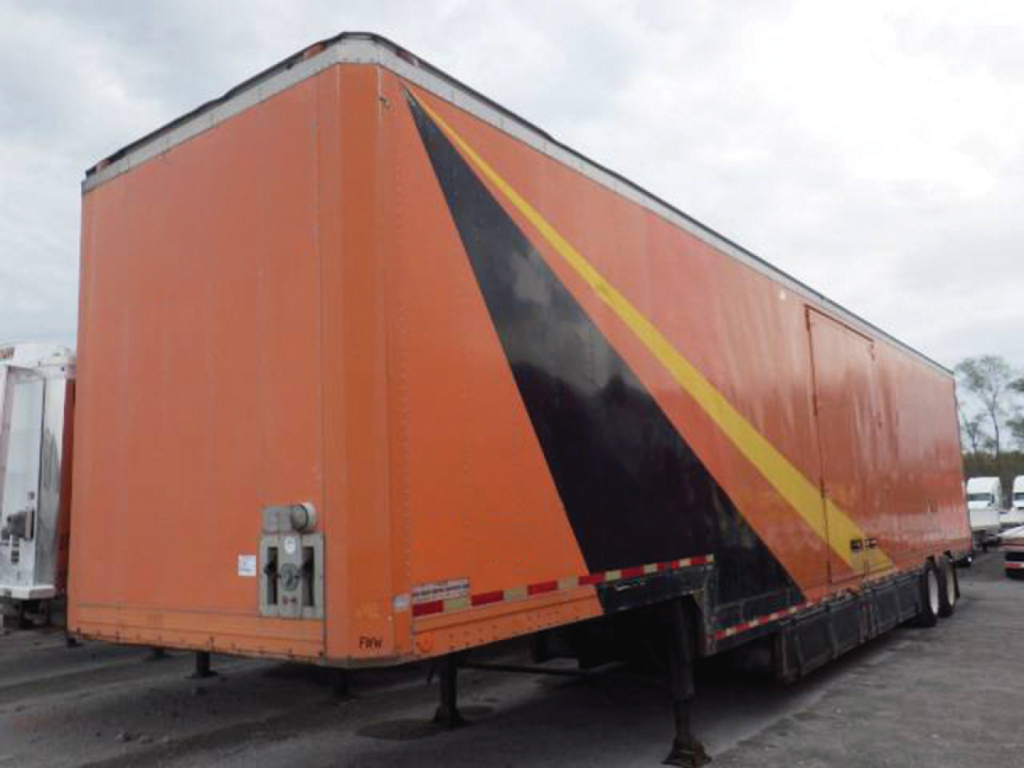
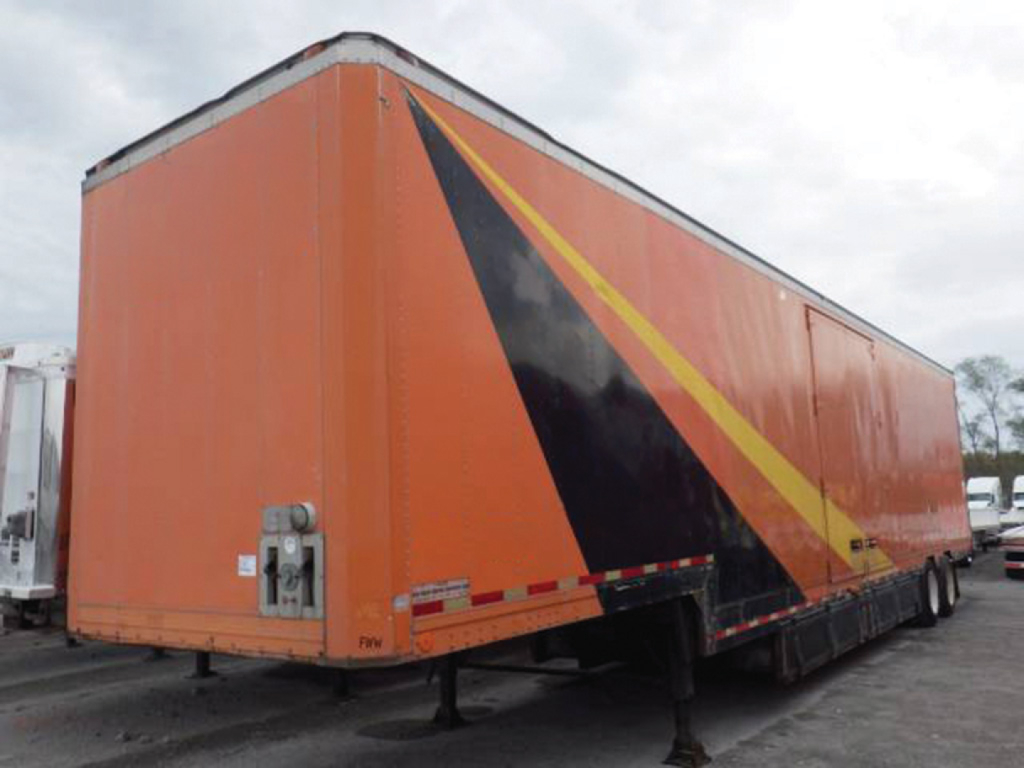
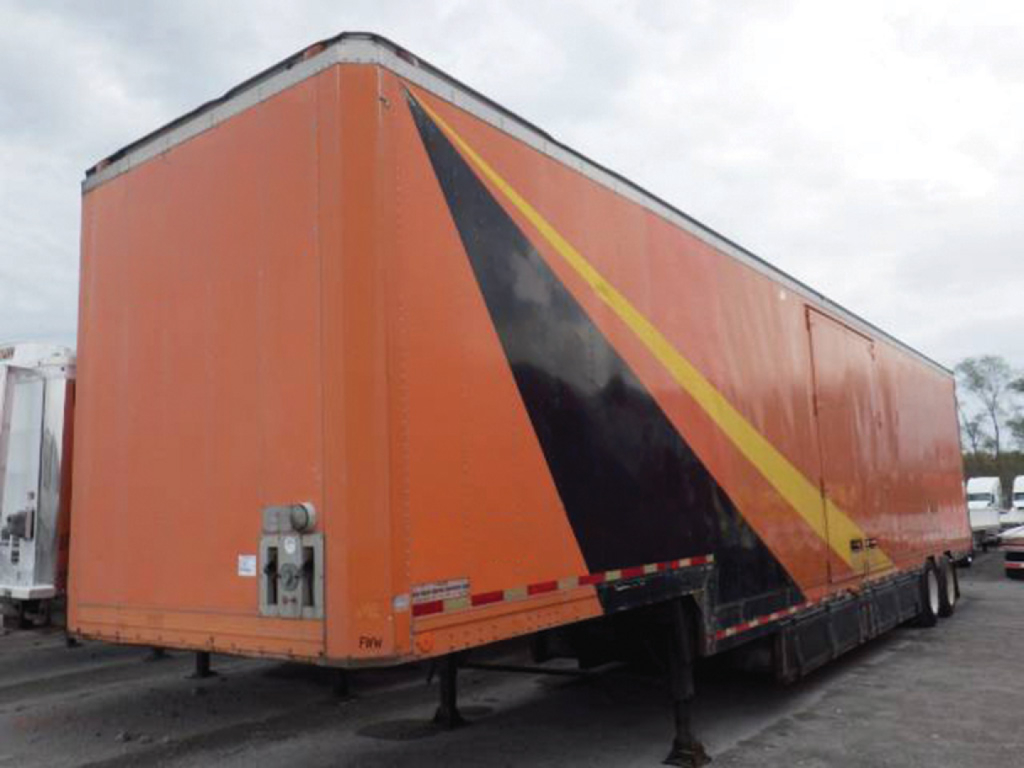
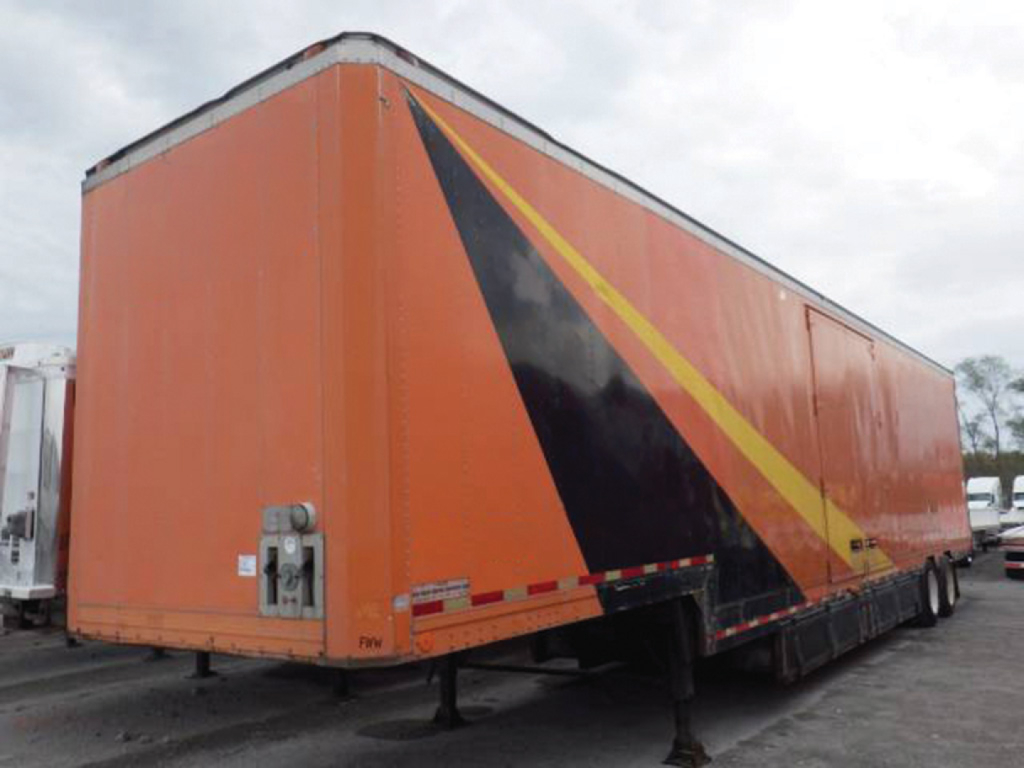

Selling a 2004 commercial truck? List your 2004 commercial truck for sale and reach thousands of commercial buyers.
2004 Commercial Trucks in Illinois
For highway use, many 2004 trucks were spec'd with proven diesel platforms from Caterpillar, Cummins, Detroit Diesel, Mack, Volvo, and Mercedes-Benz, often paired with 10-speed, 13-speed, 18-speed, or automated transmissions depending on application. Buyers looking at tractors in this year range should pay attention to wheelbase, fifth wheel type, rear axle rating, front axle capacity, and whether the truck was built for van freight, hopper work, flatbed, tanker, or local shuttle service. In Illinois, gearing and suspension matter because a truck may spend one week running Chicago-area traffic and the next pulling hard across open interstate. A lower rear ratio can help fuel economy on long runs, while vocational or regional specs may favor stronger launch and gradeability.
For work trucks and vocational units, 2004 models often appeal to buyers who want straightforward electrical systems and less electronic complexity. That can be especially relevant for dump trucks, grain trucks, municipal trucks, hooklift trucks, and tandem axle chassis used in construction, agriculture, and local delivery. Check PTO operation, hydraulic system condition, rust on cab corners and underbody crossmembers, and any signs of frame modification. Illinois buyers should also inspect brake lines, suspension hangers, spring mounts, air tanks, and wiring for corrosion from winter road treatment. On medium-duty trucks, pay close attention to GVWR, body length, liftgate capacity if equipped, and whether the truck requires CDL operation for your intended use.
A 2004 truck purchase usually comes down to matching the truck's remaining service life to the route, payload, and annual miles you expect to run. Service records, engine overhaul documentation, ECM information, tire age, and current DOT inspection status can tell you more than appearance alone. If the truck will operate in intrastate or farm use, registration and compliance needs may differ from a truck intended for broader commercial service. Buyers comparing 2004 trucks for sale in Illinois should focus on application fit first, then confirm the hard specs: engine horsepower, torque, transmission, axle ratings, suspension, brake type, wheelbase, and body or trailer interface. A correctly spec'd older truck can still deliver dependable work if it has been maintained for the duty cycle it was built to handle.
Frequently Asked Questions about 2004 Commercial Trucks in Illinois
Are 2004 trucks a good value for commercial use?
A 2004 truck can be a strong value when purchase price, repair budget, and intended use are aligned. Many buyers target this year range because it can offer lower upfront cost and, in some cases, less emissions complexity than newer trucks. The key is condition and application fit. A well-maintained 2004 day cab, sleeper, dump truck, or medium-duty chassis with records can outperform a newer truck with poor maintenance history.
What should I inspect first on a 2004 used truck?
Start with engine history, transmission operation, axle ratings, brake condition, frame rails, suspension, tires, and signs of rust or corrosion. Ask for service records, overhaul paperwork, and ECM data if available. On vocational trucks, inspect PTO function, hydraulics, hoists, body mounts, and any weld repairs. In Illinois, corrosion from winter road treatment makes undercarriage inspection especially important.
Do 2004 trucks have simpler emissions systems than newer models?
Many 2004 trucks are attractive because they may have less emissions-related complexity than later model years, depending on engine make and build date. That can reduce certain maintenance concerns, but it does not eliminate the need for a proper inspection. Buyers should verify the exact engine family, emissions configuration, and any modifications, because compliance and serviceability depend on the truck's original spec and current operating requirements.
What types of 2004 trucks are commonly found on the used market?
The 2004 market can include highway tractors, conventional day cabs, sleeper trucks, dump trucks, flatbed trucks, box trucks, service trucks, and other vocational units. Medium-duty and heavy-duty configurations are both common. The available spec can vary widely, from tandem axle road tractors with manual transmissions to single axle local delivery trucks or PTO-equipped vocational chassis.
How important are axle ratio and wheelbase on a 2004 truck?
Axle ratio and wheelbase are critical because they directly affect performance, maneuverability, ride quality, and fuel economy. A highway tractor with faster gearing may suit linehaul work, while a vocational truck often needs lower gearing for startability and load control. Wheelbase affects trailer swing clearance, body length, bridge laws, and turning radius. On any 2004 truck, these specs matter as much as engine horsepower.