
1989 Trucks For Sale in Pennsylvania

Have 1989 truck to sell? List it here to reach thousands of buyers.
1989 Trucks in Pennsylvania
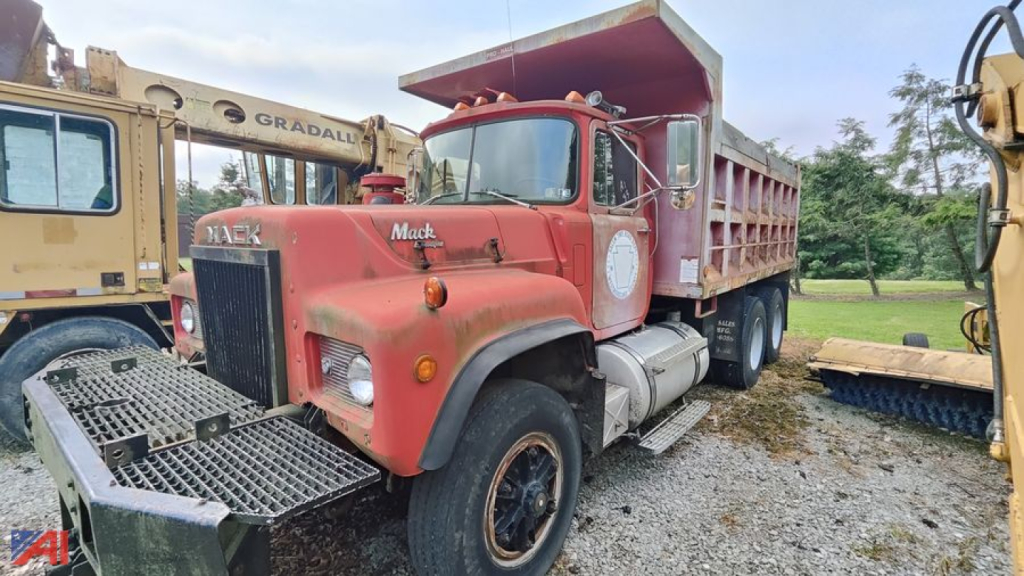
The biggest dividing line is application. A 1989 day cab or road tractor may be useful for short regional work, yard spotting, low-mile seasonal hauling, or private fleet duty, while a cab and chassis can be a starting point for a dump body, rollback, grain body, service body, or other vocational setup. Buyers should pay close attention to GVWR, axle ratings, wheelbase, suspension type, and transmission choice because these determine what the truck can realistically handle. Older trucks from this era commonly show manual transmissions, mechanical diesel engines, steel spring or air ride suspensions, and tandem or single-axle configurations. If the truck has been repowered, rebuilt, or converted for a specialty body, those changes can be more important than the original factory spec.
Pennsylvania buyers should also think hard about frame and cab corrosion. Trucks that have spent years around road salt can have rust in the cab corners, floor structure, crossmembers, spring hangers, brake components, and wiring connections. A pre-purchase inspection should include cold-start behavior, blow-by, clutch operation, transmission engagement, steering play, brake system condition, suspension wear, frame integrity, and signs of previous patchwork on the electrical system. On older diesel trucks, it is smart to verify the rear axle ratio, check for differential noise, inspect the driveline, and confirm that replacement parts are still practical to source for the engine, transmission, and brake system.
For many buyers, the value in a 1989 truck is simplicity and purchase price, not modern comfort or highway speed. Expect a more basic cab, older brake and steering feel, and lower productivity compared with newer equipment. The right unit can still be a useful work truck if the structure is sound and the driveline is matched to the job. A careful buyer should focus on service records, actual current operating condition, and how the truck will be used in Pennsylvania registration, weight, and inspection conditions rather than assuming any 1989 truck is automatically a bargain.
Frequently Asked Questions about 1989 Trucks in Pennsylvania
What should I inspect first on a 1989 truck?
Start with the frame, cab structure, engine condition, transmission operation, brakes, and wiring. On a truck this old, rust, deferred maintenance, and improvised repairs usually affect reliability more than the badge on the hood. Check for frame scaling, cracked crossmembers, cab mount deterioration, air leaks, steering looseness, driveline vibration, and evidence of engine blow-by or hard cold starts. Service records and a thorough mechanical inspection are usually more valuable than low advertised miles.
Are 1989 trucks good for commercial use in Pennsylvania?
They can be, but the fit depends on the job. A 1989 truck is usually best suited for farm work, local hauling, seasonal use, private property service, municipal support, or backup fleet duty where lower acquisition cost matters more than driver amenities and fuel efficiency. For daily over-the-road work, buyers need to weigh downtime risk, parts availability, inspection requirements, and the limitations of older drivetrains and cab design. Pennsylvania buyers should also account for rust exposure and state inspection standards when evaluating an older unit.
What types of 1989 trucks are most common on the used market?
Common examples include day cabs, older sleeper tractors, straight trucks, cab and chassis units, dump trucks, service trucks, and other vocational builds. Many have mechanical diesel engines, manual transmissions, and simpler electrical systems than newer trucks. That simplicity can be attractive for operators who handle their own maintenance, but body type, wheelbase, axle setup, and PTO or hydraulic equipment can vary widely from one truck to another.
Is mileage important on a 1989 truck?
Mileage matters, but it should not be the only decision point. On a 1989 truck, total engine hours, rebuild history, maintenance records, and the way the truck was used are often more important than the odometer. Many older trucks have had cluster replacements, engine work, repowers, or long idle time in vocational service. A truck with higher documented miles and solid maintenance can be a better buy than a lower-mile unit with rust, leaks, and neglected running gear.