
Used Trucking Equipment For Sale
Browse used trucking equipment including forklifts, loaders, and support machines. Compare specs, capacity, hours, and jobsite suitability.
Learn morePopular Trucking Equipment Categories
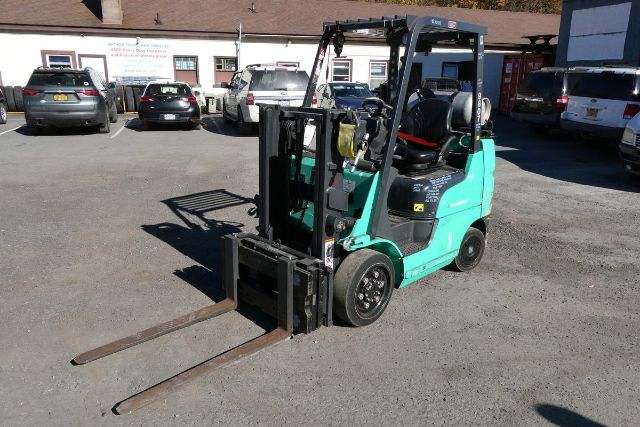
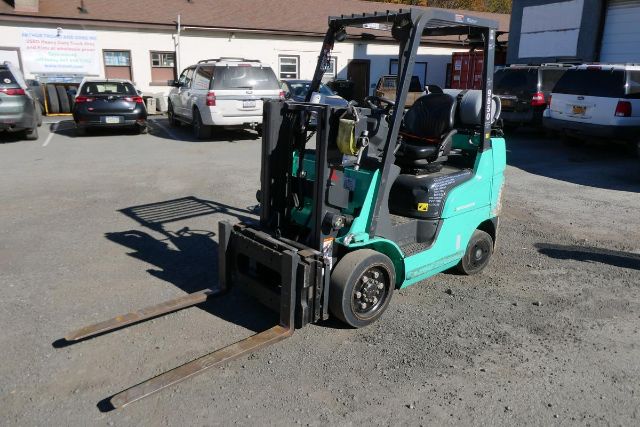
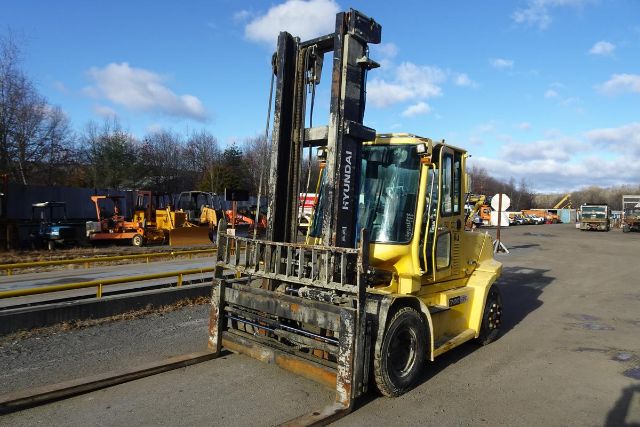
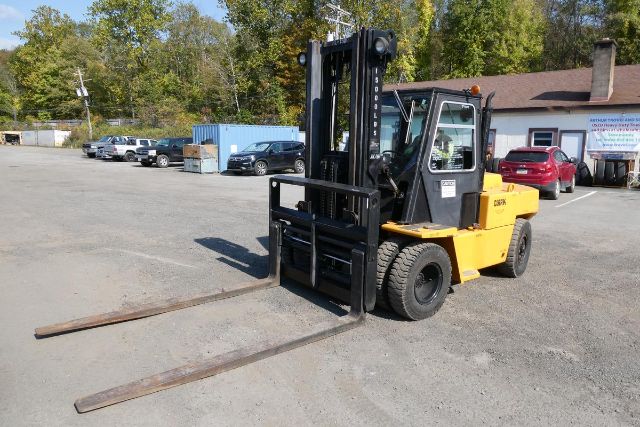
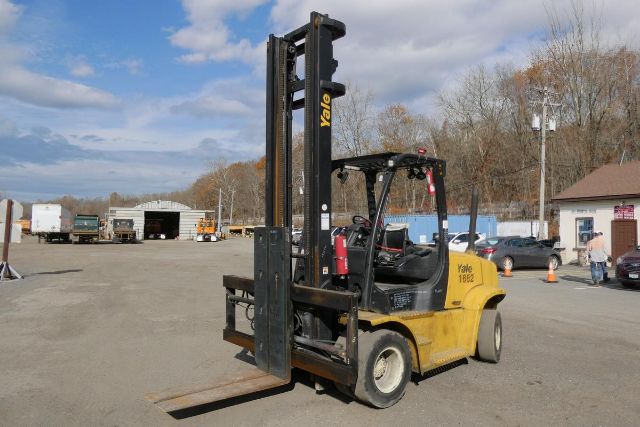
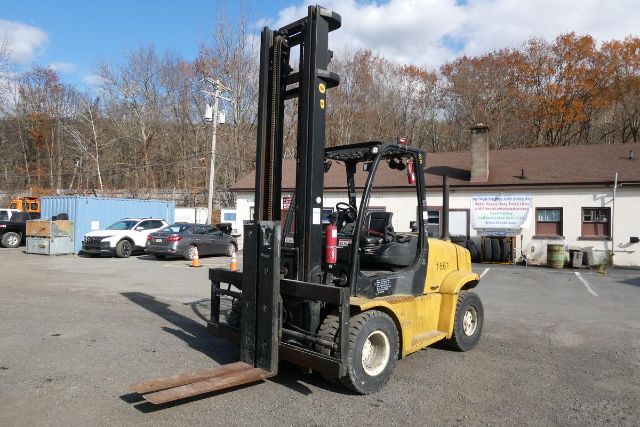
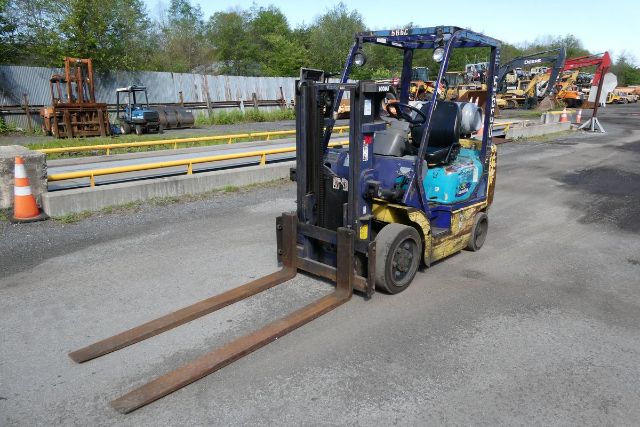
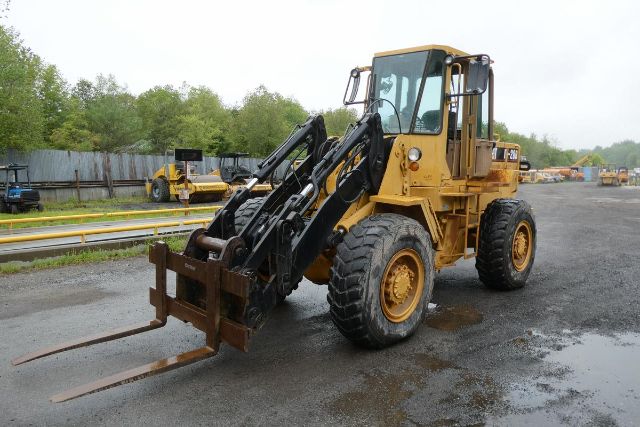
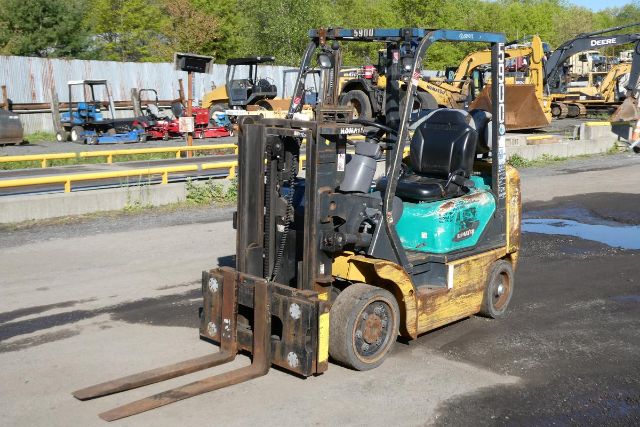
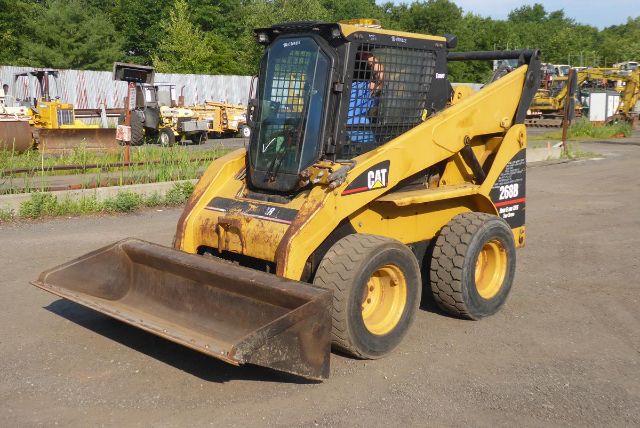
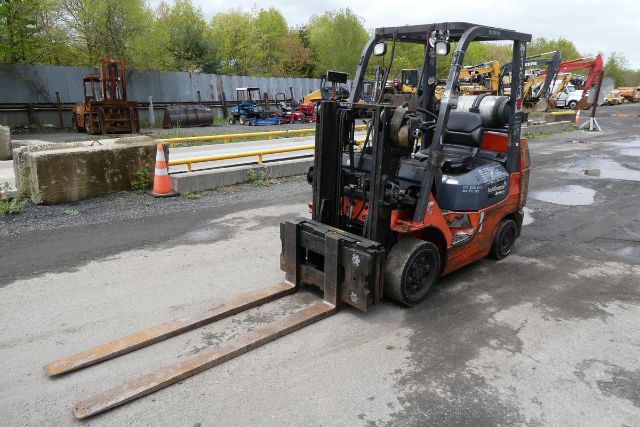
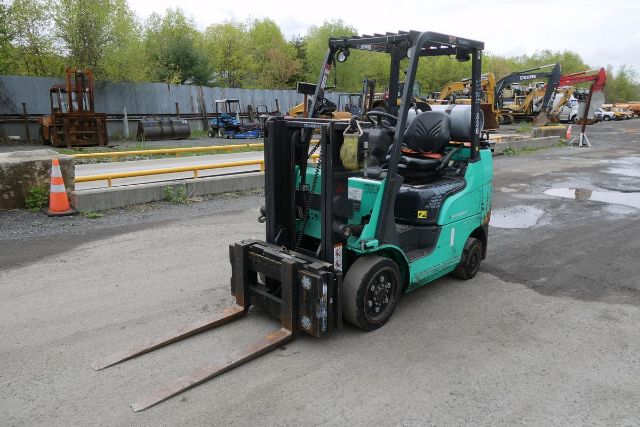
Showing 25 to 36 of 195 results
Have used trucking equipment to sell? List it here to reach thousands of buyers.
About Used Trucking Equipment
For forklifts, the key buying points are lift capacity, mast type, fuel, overall lowered height, and actual operating condition. Common used warehouse and yard forklifts often fall in the 4,000 to 10,000 pound class, while heavy units can go much higher. Pay close attention to the capacity plate because long forks, attachments, and mast height can reduce true lifting capacity. Solid pneumatic or cushion tires, side shift, fork positioners, and mast configuration all affect how the machine fits your operation. Buyers should also compare loading height, collapsed mast height for door clearance, hydraulic response, cylinder condition, steer axle play, brake function, and hour-meter reading. On propane units, tank availability and fuel-system condition matter. On diesel models, cold-start behavior, blow-by, injector performance, and transmission engagement deserve a close look.
For loaders and other yard machines, operating weight, attachment setup, hydraulic condition, tire size, and articulation wear are usually more important than model year alone. A wheel loader used around aggregate, salt, mulch, scrap, or palletized freight needs enough breakout force and hydraulic flow to handle bucket and fork work without excessive cycle times. Check for seepage at boom cylinders, looseness in pins and bushings, transmission shift quality, brake response, cooling-system condition, and axle or center-joint wear. If the equipment will work around truck parking areas or terminal surfaces, compaction equipment such as double-drum rollers can also be part of the broader trucking equipment category. In those cases, buyers should focus on drum condition, vibration system performance, water system operation, hydrostatic drive response, and structural wear at the operator platform and frame.
Used trucking equipment should be matched to the site as much as the task. Indoor use favors tighter dimensions, lower emissions, and predictable maneuverability. Outdoor yard work usually calls for more ground clearance, larger tires, stronger hydraulics, and easier service access. Transport size, machine weight, parts support, and attachment compatibility can affect total cost as much as purchase price. A clean inspection should include engine, transmission, hydraulics, tires or drums, steering components, mast or boom wear, and any signs of frame damage or chronic leakage. Buyers who compare capacity, dimensions, hours, and attachment configuration carefully usually end up with equipment that supports faster loading, safer handling, and less downtime across the fleet.
Frequently Asked Questions
What should I check first when buying used trucking equipment?
Start with the machine’s intended job, then confirm the core specs that support that application. On forklifts, that means rated capacity, mast height, lowered height, fuel type, tire type, and attachment setup. On loaders or other yard machines, focus on operating weight, hydraulic performance, tire or drum condition, and wear in articulation points or pins and bushings. After that, inspect the engine, transmission, brakes, steering, and hydraulics for leaks, delayed engagement, unusual noise, or signs of neglected maintenance.
How important is the hour meter on used equipment?
Hour-meter reading matters, but it should never be viewed by itself. A higher-hour machine with strong maintenance history, dry cylinders, tight steering, and good hydraulic response can be a better value than a lower-hour unit with neglected service and visible wear. Buyers should use hours as one indicator of use, then confirm condition through cold starts, operational testing, service records, and inspection of wear points such as mast rollers, chains, pins, bushings, tires, drums, and hydraulic components.
Does forklift capacity change when forks or attachments are added?
Yes. Forklift capacity can be reduced by long forks, side shifts, fork positioners, clamps, and higher lift heights because those factors change the load center and leverage on the mast. That is why the data plate is critical on any used forklift. A machine may be built in one capacity class but be de-rated in actual service because of its fork length or attachment package. Buyers should confirm the rated capacity at the actual load center and mast height they plan to use.
What is the best fuel type for a used forklift in trucking operations?
The best fuel type depends on where and how the forklift will work. Propane forklifts are common in warehouse and dock operations because they refuel quickly and perform well in mixed indoor and outdoor use. Diesel forklifts are often favored for heavier outdoor work where torque and run time matter most. Electric units can be a strong fit for indoor operations with charging infrastructure, but battery condition becomes a major part of the purchase decision. The right choice comes down to ventilation, duty cycle, lifting requirements, and fuel availability.
Why do dimensions and transport weight matter when comparing used trucking equipment?
Dimensions and weight affect far more than hauling the machine home. Forklift lowered height determines whether it clears doors and trailer openings. Machine width affects aisle access, dock maneuverability, and yard traffic flow. Overall weight influences transport cost, trailer selection, surface loading, and where the equipment can operate safely. On larger support equipment such as wheel loaders and rollers, legal transport requirements and site access can become major cost factors, so buyers should verify height, width, length, and operating weight before committing.