
Used Paving & Compaction For Sale
Used paving and compaction equipment for sale, including vibratory rollers and asphalt compactors for roadwork, site prep, and municipal jobs.
Learn moreBrowse Paving & Compaction Trucking Equipment by Make
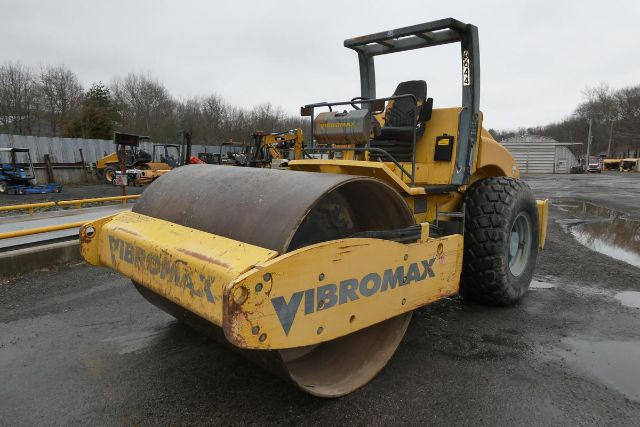
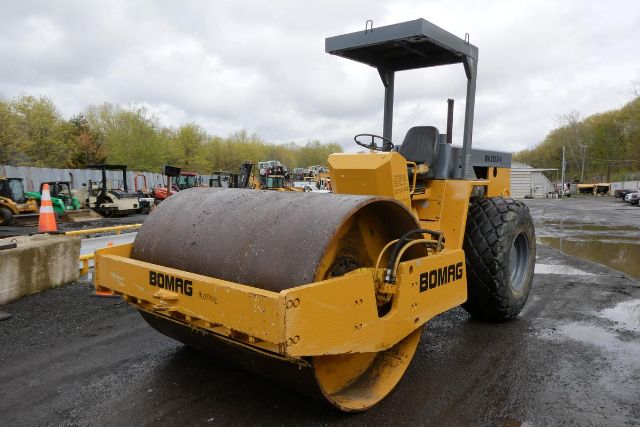
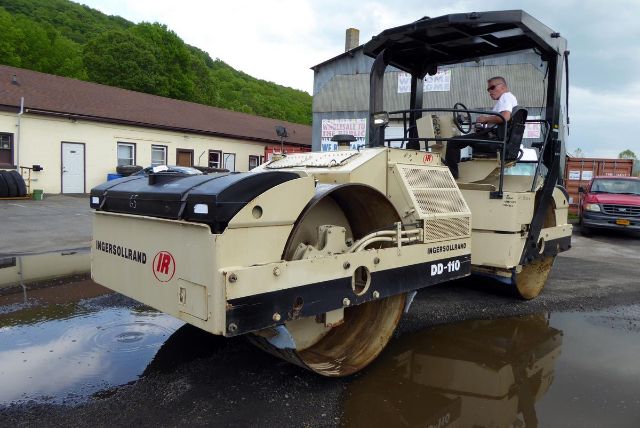
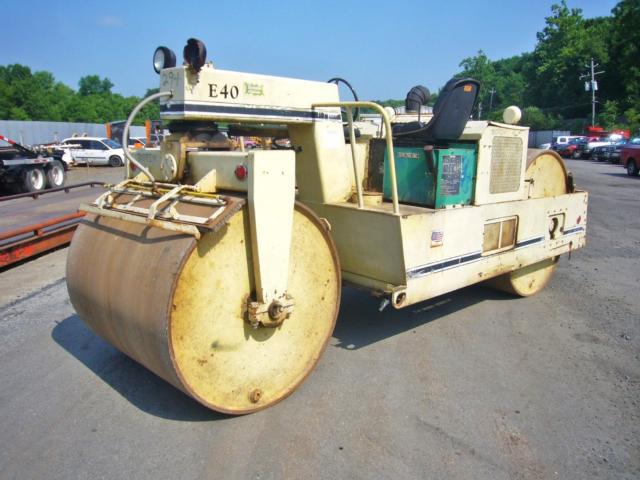
Have used paving & compaction trucking equipment to sell? List it here to reach thousands of buyers.
About Used Paving & Compaction
The most important buying decision is matching drum configuration and operating weight to the material being compacted. A padfoot or smooth single drum machine is better suited for dirt and aggregate applications, especially on building pads, roadway base, and utility work. Tandem vibratory rollers are the standard choice for parking lots, municipal paving, patch work, and street resurfacing where even mat density and finish quality matter. Typical used units in this class can run from roughly 19,000 to 25,000 pounds, with drum widths often falling between about 53 inches and 83 inches. Wider drums improve productivity on open work, while narrower machines can be easier to transport and maneuver on tighter job sites.
Condition matters more than age on used paving and compaction equipment. Buyers should pay close attention to vibration function, hydrostatic drive response, drum condition, articulation joint wear, center pin and bushing play, water spray systems, and signs of leakage around drum housings or hydraulic components. On asphalt rollers, water tanks, pumps, spray bars, and nozzles need to work correctly to prevent pickup on the drums. Hour meters on older rollers are not always reliable, so service records, engine replacement history, drum repair history, and evidence of regular maintenance can be more useful than the reading alone. Open ROPS configurations are common on older machines, and that may influence operator preference depending on climate and job requirements.
Transport dimensions and supportability also deserve a close look. Many used rollers in this category fall into manageable trailerable sizes, but width, overall height, and operating weight still affect permitting, hauling cost, and truck-trailer selection. Parts support can vary by brand and age, so buyers often favor models with established dealer networks or strong aftermarket availability for vibration components, hydraulic pumps, engine parts, and water system hardware. A well-matched used compactor can still deliver strong production if the drum system is sound, the vibration circuit works properly, and the machine tracks straight under load.
Frequently Asked Questions
What is the difference between a single-drum roller and a double-drum roller?
A single-drum roller is usually intended for soil, gravel, and base compaction, with one steel drum up front and rubber tires at the rear. A double-drum roller, also called a tandem roller, uses steel drums front and rear and is commonly used for asphalt compaction and finish work. The right choice depends on whether the machine will spend most of its time on subgrade and aggregate or on paved surfaces where smoothness and uniform density are critical.
What should I inspect first on used paving and compaction equipment?
Start with the vibration system, hydrostatic travel, and drum condition. A roller can run and move but still need expensive repair if the exciter shaft, drum bearings, vibration controls, or hydraulic components are weak or inoperative. After that, inspect articulation joints, center pins, water spray systems, leaks, engine cold-start behavior, and any play in linkages or bushings. On older units, documented repairs and maintenance history often tell more than the hour meter.
How much does operating weight matter when buying a used roller?
Operating weight is one of the main factors in compaction performance because it directly affects how much force the machine can apply to the material. Heavier rollers are generally better for deeper compaction and larger production work, while lighter units are useful for smaller patches, tighter sites, and surfaces where excessive weight could be a problem. Buyers should match machine weight, drum width, and vibration characteristics to the lift thickness and material type they expect to compact most often.
Are water systems important on used asphalt rollers?
Yes. On a double-drum asphalt roller, the water system helps keep hot mix from sticking to the drums. If the tank, pump, spray bars, or nozzles are missing, clogged, or not functioning correctly, drum pickup can become a real issue and affect finish quality. A used machine with a working vibration system but a neglected water system may still require immediate repair before it is practical for paving work.
Is an older roller with a mechanical diesel engine still a good buy?
It can be, especially if simplicity and field serviceability are priorities. Many older rollers use mechanical diesel engines and straightforward hydrostatic systems that are easier to troubleshoot than newer electronically controlled machines. The tradeoff is that age can bring wear in drums, articulation points, vibration assemblies, and hydraulic systems. If core functions are solid and parts support is still available, an older roller can remain a productive machine for contractors, municipalities, and site work fleets.