
Used Ingersoll-Rand Paving & Compaction For Sale
Used Ingersoll-Rand paving and compaction equipment for asphalt and site work, including tandem vibratory rollers with proven drum widths and diesel power.
Learn more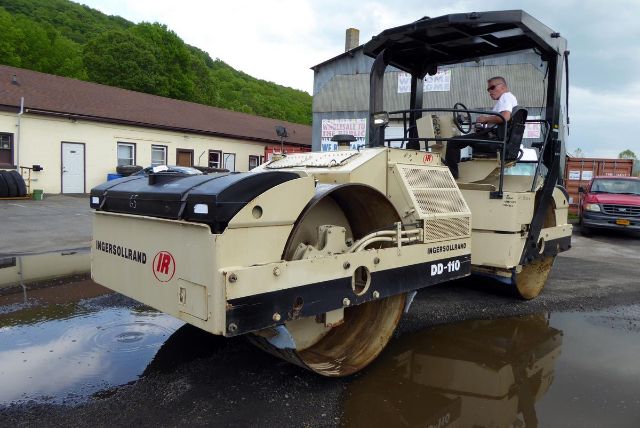
Have used ingersoll-rand paving & compaction trucking equipment to sell? List it here to reach thousands of buyers.
About Used Ingersoll-Rand Paving & Compaction
Common machines in this category include double drum rollers in the roughly 20,000 to 25,000 lb range, with drum widths that can suit anything from tighter commercial paving to broader lane work. Cummins diesel power is common on many older units, and hydrostatic propulsion gives smooth low-speed control during rolling passes. A buyer comparing used equipment should pay close attention to front and rear drum vibration settings, the ability to run front only, rear only, or both, and the condition of the exciter system. If vibration is weak, inconsistent, or only functioning in limited modes, repair costs can add up quickly.
Water spray performance matters just as much as the driveline on a used asphalt roller. Plugged nozzles, inoperative pumps, poor drum wetting, or uneven spray patterns can create pickup issues on hot mix and slow production. Check drum surface condition, edge wear, scraper bars, isolation mounts, center joint play, and any seepage around hydraulic components or drum motors. On older open-ROPS machines, buyers should also inspect operator platform condition, gauges, steering response, and overall visibility around the drums. Hour meter readings help, but maintenance history on the engine, cooling system, hydraulics, and drum-related repairs often tells the real story.
Ingersoll-Rand paving and compaction machines remain relevant in the used market because they are familiar, durable, and practical for contractors who want a mechanically straightforward roller for asphalt and base compaction work. The right machine depends on the lift thickness, mat width, transport limits, and how much finish-sensitive work is on the schedule. For many buyers, the best value is a roller with strong, even vibration, a fully working water system, tight articulation, and clean drum surfaces rather than the newest paint or the lowest advertised hours.
Frequently Asked Questions
What should I inspect first on a used Ingersoll-Rand paving and compaction machine?
Start with the drum system, vibration function, and hydrostatic drive. A used tandem roller needs consistent vibration amplitude, smooth drum rotation, predictable steering through the center joint, and a working water spray system. Also inspect drum shells for weld repairs or flat spots, check for hydraulic seepage, and confirm the engine starts cleanly and runs without overheating. These items usually have a bigger impact on ownership cost than cosmetic condition.
Are older Ingersoll-Rand rollers still a practical choice for asphalt work?
Yes, many older Ingersoll-Rand rollers are still practical for asphalt paving, commercial lots, patching, and municipal maintenance if the core systems are sound. Their appeal is usually mechanical simplicity, common diesel engine platforms, and familiar hydrostatic operation. The key is machine condition. A well-maintained older roller with strong vibration, reliable water flow, and tight articulation can be more useful than a newer machine with neglected drum or hydraulic issues.
Why is the water spray system so important on a used asphalt roller?
The water system keeps hot mix asphalt from sticking to the drums. If the spray nozzles are missing, clogged, or uneven, material can build up on the drum surface and mark the mat. On a used machine, confirm the tank, pump, lines, filters, and nozzles all work as intended. A weak water system can turn an otherwise usable roller into a frustrating machine on paving jobs.
What size and spec range is common for Ingersoll-Rand tandem rollers?
Many used Ingersoll-Rand tandem vibratory rollers fall into a mid-size class suited for road work and commercial paving, often with dual steel drums, hydrostatic transmission, diesel engines, and operating weights around the low-20,000-lb range. Drum width and vibration performance are the main spec differences buyers compare. Wider drums can improve productivity on larger passes, while narrower machines can be easier to place on tighter jobsites and in urban work zones.
What wear points usually show up on used paving and compaction equipment?
Typical wear points include drum bearings and shells, scraper assemblies, center articulation pins and bushings, vibration components, hydraulic hoses, and cooling system parts. On older units, buyers often find seepage around hydraulic components, wear in steering joints, missing spray nozzles, or play in the frame pivot. These are not unusual on used compaction equipment, but they should be priced against the machine's remaining usefulness and the cost to return it to dependable daily service.