
Used Bomag Paving & Compaction For Sale
Browse used Bomag paving and compaction equipment, including rollers and compactors built for asphalt, soil, and site preparation work.
Learn more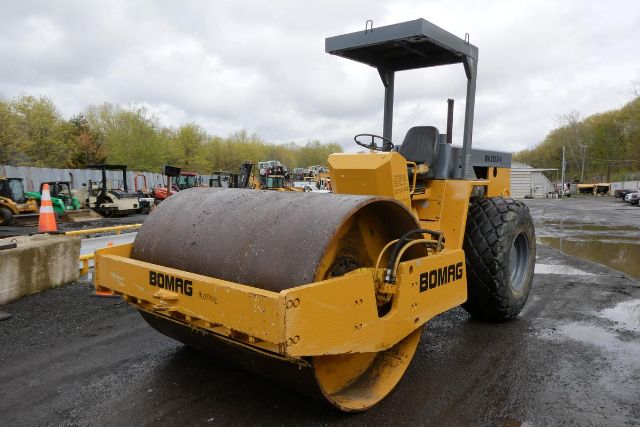
Have used bomag paving & compaction trucking equipment to sell? List it here to reach thousands of buyers.
About Used Bomag Paving & Compaction
One of the biggest buying decisions is matching drum type and operating weight to the material being compacted. A single drum vibratory roller like a Bomag BW-series machine is typically used for subgrade, base, and embankment work, where gradeability, traction, and impact force matter more than finish quality. Asphalt-focused units are usually tandem drum rollers that prioritize even mat density, water spray performance, edge visibility, and smooth operation near curbs and joints. Buyers comparing used machines should pay attention to drum width, centrifugal force, amplitude and frequency settings, operating weight, hydrostatic travel response, and whether the machine has smooth drum or padfoot configuration. On older units, drum shell condition, isolation mounts, scraper bars, spray systems, and vibration function deserve close inspection because these directly affect compaction quality and repair cost.
Bomag equipment is also valued for jobsite practicality. Open ROPS and enclosed cab configurations are both common, and the right choice usually comes down to climate, crew preference, and the type of paving schedule being run. Visibility to drum edges, articulation center wear, hydraulic leaks, and hour accuracy are important on used compactors, especially when meter readings are missing or not verified. Buyers should also check for even drum wear, proper steering articulation, consistent vibration engagement, brake performance, and signs of neglected maintenance around the engine cooling system, hydraulic pumps, and final drives. A used roller that starts clean, tracks straight, and builds vibration evenly under load is generally a better indicator of value than cosmetics alone.
For contractors, municipalities, and fleet managers, used Bomag paving and compaction machines can be a cost-effective way to add density control capability without stepping into the price of late-model units. They are also known as road rollers, vibratory rollers, asphalt rollers, and soil compactors depending on the machine setup and application. The best unit for the job depends on lift thickness, target density, surface finish requirements, transport weight limits, and how easily the machine can be serviced in your region. When comparing listings, focus on application fit first, then verify drum system health, hydraulics, engine condition, and overall structural integrity.
Frequently Asked Questions
What types of equipment are included in used Bomag paving and compaction listings?
This category typically includes single drum vibratory rollers, tandem drum asphalt rollers, pneumatic rollers, and other compactors used for soil, aggregate, and asphalt work. Bomag is especially well known for BW-series rollers used in roadbuilding, subdivision development, trench backfill, parking lot paving, and general site preparation.
What should I inspect first on a used Bomag roller?
Start with the vibration system, drum condition, and hydrostatic drive performance. A roller may run and travel normally while still having expensive issues in the drum, exciter shaft, bearings, or vibration circuit. Buyers should also inspect articulation points, hydraulic hoses, engine condition, steering response, water spray components on asphalt machines, and signs of uneven compaction wear across the drum.
Is a single drum Bomag roller better for soil than asphalt?
In most cases, yes. Single drum vibratory rollers are primarily built for compacting soil, fill, gravel, and base materials, where high compaction force and traction are needed. Tandem drum rollers are generally the better choice for asphalt because they deliver smoother finish quality and more consistent mat density across paved surfaces.
How important are operating weight and drum width when choosing a used compactor?
They are critical because both directly affect compaction output and job match. Heavier machines generally deliver more force and are better for thicker lifts or demanding base work, while drum width affects coverage, maneuverability, and transport considerations. The right combination depends on material type, lift depth, production pace, and the size of the work area.
Are older used Bomag compactors still practical for fleet use?
Yes, if the machine has been maintained and the major systems are sound. Many older Bomag rollers remain productive because they use proven mechanical and hydraulic designs that are familiar to technicians and operators. The key is verifying vibration function, drivetrain health, structural condition, and parts support before putting the machine into regular service.