
Used Ferguson Paving & Compaction For Sale
Shop used Ferguson paving and compaction equipment, including rollers with diesel power, hydrostatic drive, and heavy drum compaction performance.
Learn more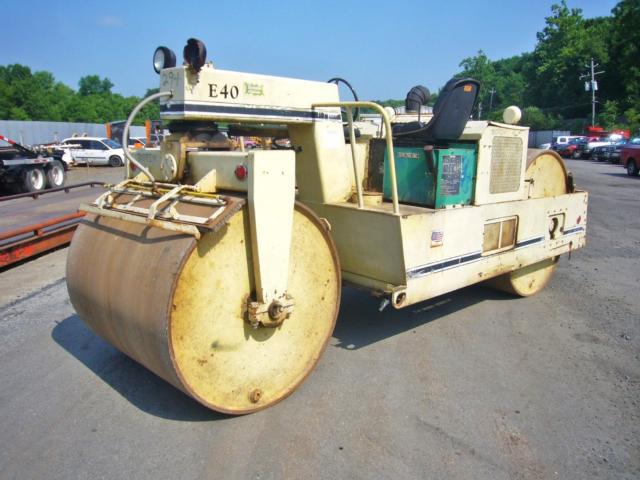
Have used ferguson paving & compaction trucking equipment to sell? List it here to reach thousands of buyers.
About Used Ferguson Paving & Compaction
A key buying point in this class is drum configuration and operating weight. Machines in the Ferguson paving and compaction category are commonly evaluated by front and rear drum width, overall width, and total machine weight because those specs directly affect coverage, transport, and compaction results. Hydrostatic transmission is a common advantage on older rollers because it gives smooth low-speed control and precise reversing on finish work. Many units in this class also use proven mechanical diesel engines, often from established suppliers such as John Deere, which can make parts sourcing and field service more manageable than with less common power packages.
Condition matters more than age on used compaction equipment. Buyers should pay close attention to drum shell wear, edge damage, articulation play, steering response, hydrostatic performance, vibration function if equipped, and signs of fluid leaks around pumps and drive components. Check hour meter credibility against pedal wear, control linkage wear, and general structure condition. Transport dimensions also matter. A narrower roller can be easier to move between jobs and better suited to confined paving environments, while a heavier machine may deliver better density on lifts that demand more compactive effort.
Ferguson paving and compaction machines can be a practical fit for contractors who need an economical roller for intermittent use, backup fleet support, or dedicated small-job production. When comparing listings, focus on engine starting behavior, drum condition, operating weight, parts support, and how well the machine matches your typical mat width and jobsite access constraints. For buyers who prioritize serviceability and basic roller performance over modern cab technology, used Ferguson compaction equipment remains a relevant option in the secondary market.
Frequently Asked Questions
What types of machines are included in Ferguson paving and compaction equipment?
This category generally refers to rollers and compactors used for asphalt and soil compaction applications. On the used market, Ferguson machines are most often older double-drum or steel drum rollers designed for paving support, patch work, lot work, and smaller road jobs. The exact configuration can vary by model, so buyers should confirm drum dimensions, operating weight, and drive system before purchase.
What should I inspect first on a used Ferguson roller?
Start with the drums, hydrostatic drive, engine, and articulation or steering components. Drum shell wear, flat spots, cracking, and edge damage can affect compaction quality and repair cost. A hydrostatic machine should move smoothly in both directions without hesitation or abnormal noise. The engine should cold start cleanly, hold oil pressure, and run without excessive blow-by. Also inspect for leaks, loose pins, worn controls, and any signs that the hour meter does not match the machine's overall wear.
Is hydrostatic drive a benefit on older paving rollers?
Yes. Hydrostatic transmission is well suited to compaction equipment because it allows smooth speed modulation, controlled reversing, and precise low-speed operation on asphalt. That matters when the operator needs to maintain a consistent rolling pattern or work in tight spaces. On an older used machine, the condition of the hydrostatic system is critical, so buyers should check response under load, listen for pump noise, and verify that travel is consistent across the operating range.
How important are drum width and machine weight when choosing a used compactor?
They are two of the most important buying factors. Drum width affects pass coverage, maneuverability, and how well the machine fits confined jobsites. Machine weight directly influences compaction force and suitability for different lifts and materials. A smaller, narrower roller may be ideal for patching, sidewalks, or lot work, while a heavier unit may be better for achieving density on broader paving applications. Matching these specs to the work is more important than simply choosing the newest machine.
Are older Ferguson paving machines still practical to own?
They can be practical for buyers who value mechanical simplicity and lower acquisition cost. Many older Ferguson units use basic diesel engines and straightforward controls, which can make them attractive for small contractors, municipal departments, or as backup machines. The main consideration is parts support and the actual condition of the machine. A well-maintained older roller can still provide useful service, but buyers should confirm availability of wear parts, hydraulic components, and engine support before committing.