
Used Recycling For Sale
Browse used recycling trucking equipment including material handlers, shears, grapples, and magnets for scrap, demolition, and transfer yard work.
Learn moreBrowse Recycling Trucking Equipment by Make
Have used recycling trucking equipment to sell? List it here to reach thousands of buyers.
About Used Recycling
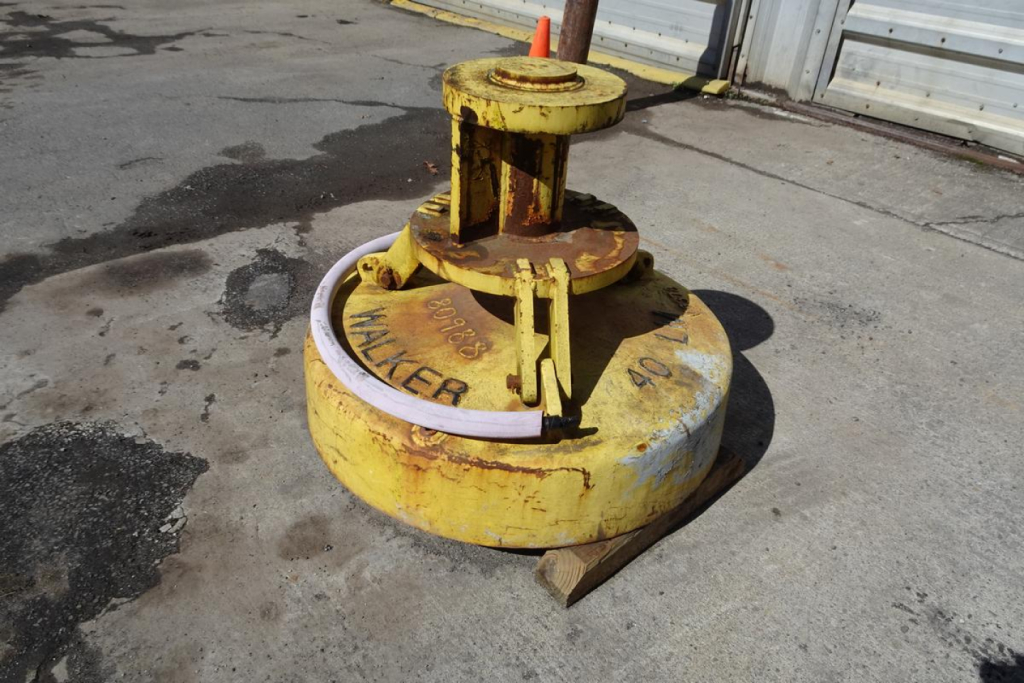
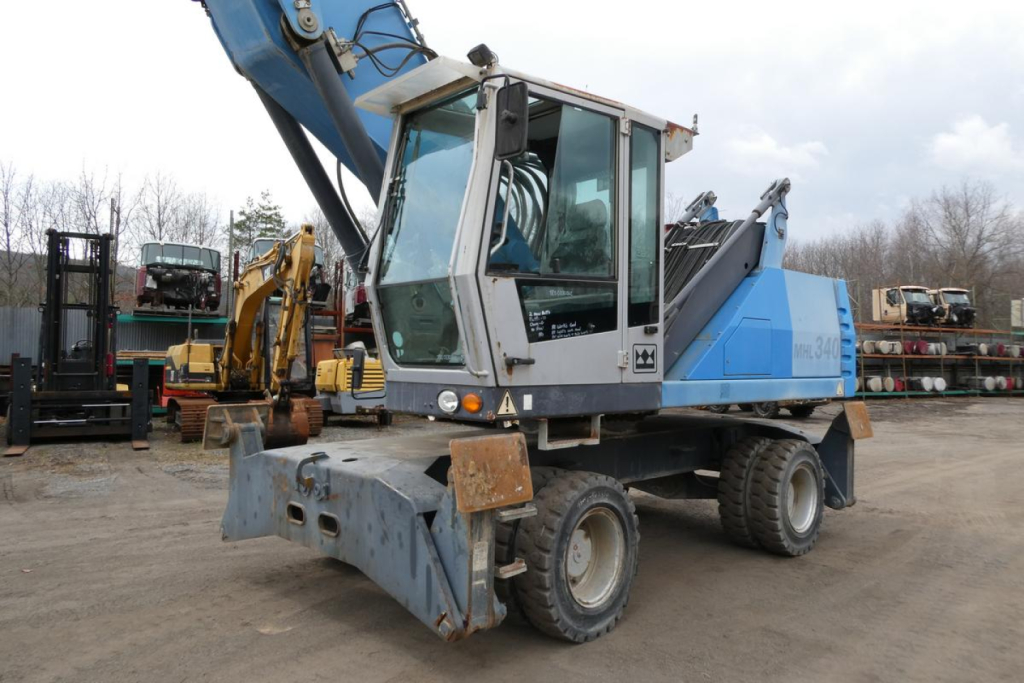
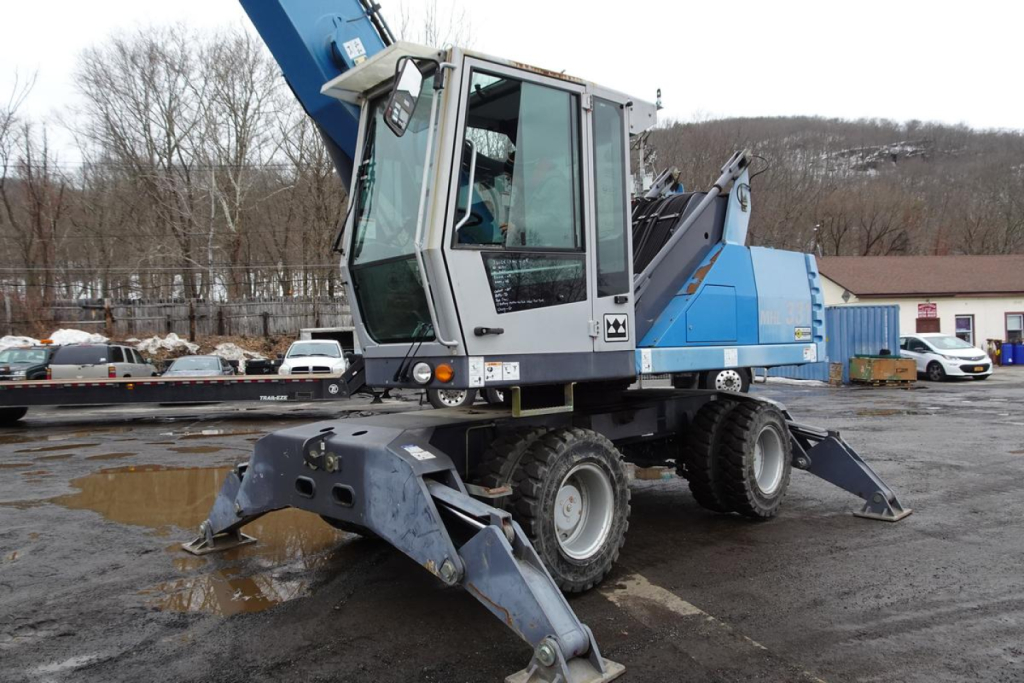
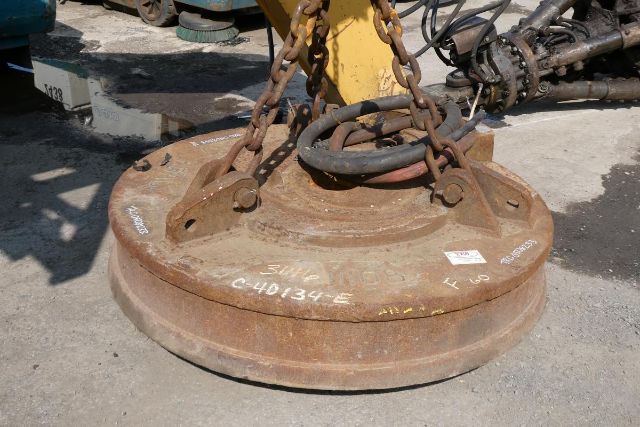
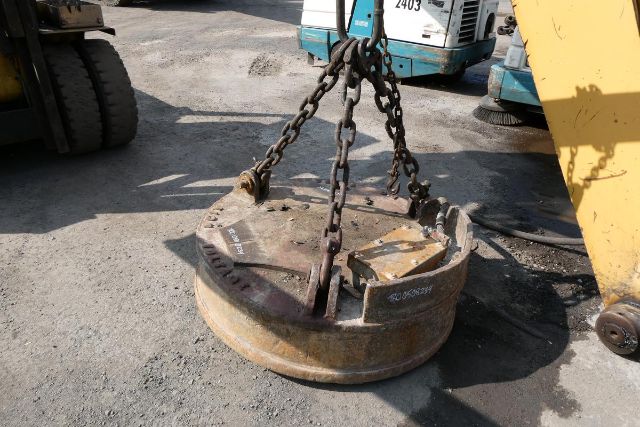
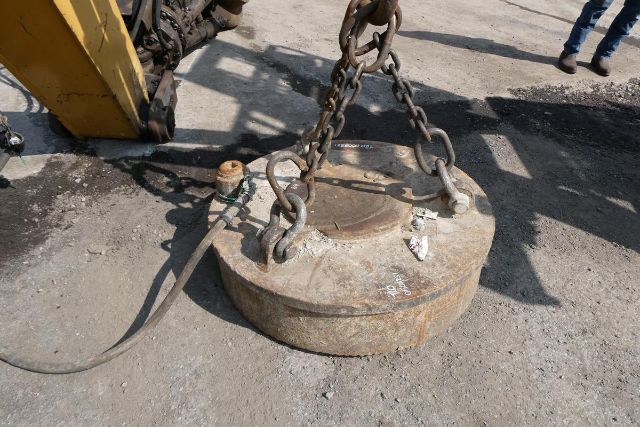
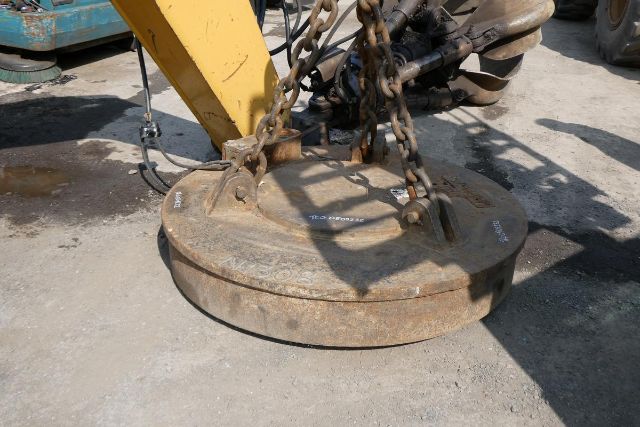
Reach and attachment compatibility matter more than raw horsepower in many recycling applications. A machine with roughly 30 to 45 feet of reach can be a better fit for trailer loading, rail work, or pile management than a heavier unit with less working envelope. Common attachment setups include orange-peel grapples, sorting grapples, plate magnets, and hydraulic shears for cutting structural steel and scrap. Many used recycling machines are equipped with rotators, generator sets for magnet operation, adjustable cab risers, backup cameras, and four-point outriggers for stability. If a machine will spend most of its time feeding a shredder or loading export containers, hydraulic flow, lift capacity at radius, and attachment weight should be checked closely before purchase.
Condition on used recycling equipment should be evaluated with the jobsite in mind because wear patterns in scrap service are different from standard excavation service. Buyers should inspect boom and stick pins, grapple rotators, cylinder packing, upper structure swing play, outriggers, cab lift systems, generator output, and the condition of guarding around hoses and cylinders. Hydrostatic drive systems are common on purpose-built handlers, and hours alone do not tell the full story. A lower-hour machine that has spent years in abrasive scrap handling can need more immediate attention than a higher-hour unit with documented maintenance. Cab HVAC, cameras, joystick response, and dry cylinders are also important because operator comfort and visibility directly affect productivity and safety in a recycling yard.
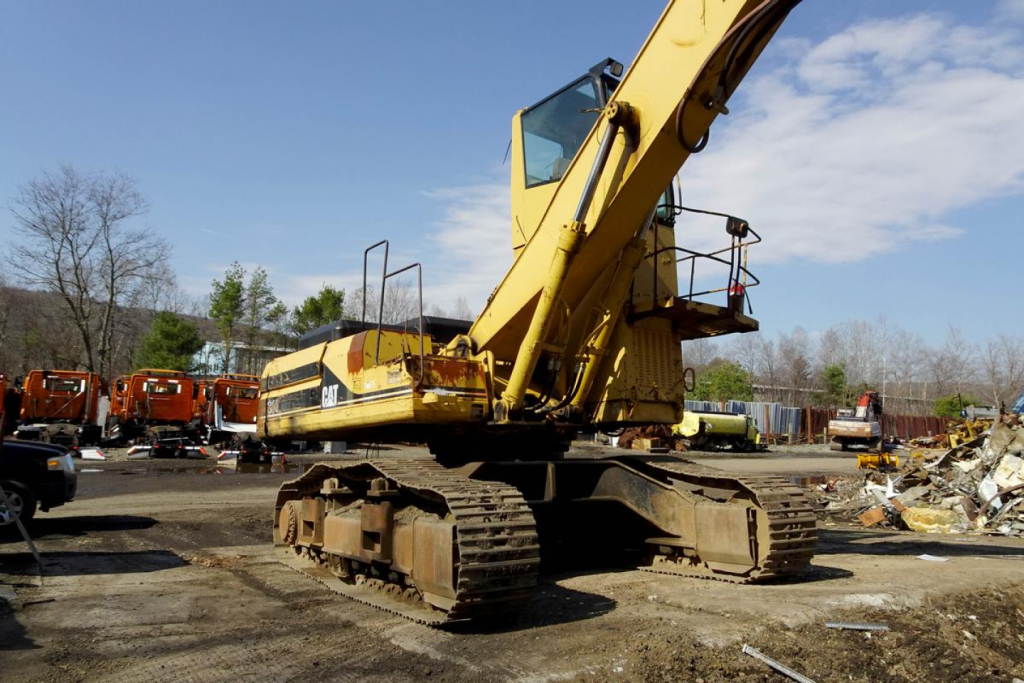
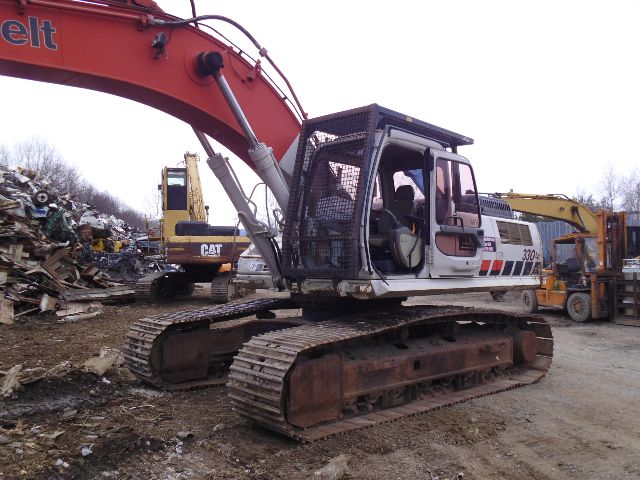
Transport dimensions, operating weight, and supportability also deserve attention before comparing listings. Many recycling handlers run in the 50,000 to 80,000 pound range, with shipping length and height varying significantly based on boom configuration and cab design. Tire or pad style affects how the machine moves around paved yards, muddy lots, and demolition sites. Parts access for older Link-Belt, Terex Fuchs, Caterpillar, and similar scrap handling platforms can be a deciding factor, especially when the machine uses specialized electrical or hydraulic components for magnets and elevated cabs. For buyers sorting through used recycling equipment for sale, the best value usually comes from matching reach, attachment package, and structural condition to the exact material stream being handled.
Frequently Asked Questions
What types of equipment are usually included in used recycling trucking equipment listings?
This category often includes scrap material handlers, mobile hydraulic excavator-based handlers, grapples, magnets, hydraulic shears, and related yard equipment used for loading, sorting, and processing recyclable material. Many machines are configured specifically for scrap operations with elevated cabs, outriggers, rotators, and generator packages for magnet use. The exact setup matters because a machine built for demolition debris may not be ideal for high-cycle scrap yard loading.
What should I look for when buying a used recycling material handler?
Focus on reach, attachment compatibility, structural wear, and hydraulic performance before anything else. Inspect the boom, stick, pins, bushings, swing bearing, outriggers, and all hydraulic cylinders for leaks or looseness. Confirm that the magnet generator, cab riser, backup camera, and rotator work properly if equipped. Service records are valuable, but in scrap applications a hands-on inspection is just as important because these machines often work in harsh, high-impact environments.
Is a magnet-ready machine better than adding a magnet setup later?
In many cases, yes. A machine already equipped with a generator, wiring, controls, and the correct hydraulic and electrical provisions for magnet work is usually easier and less expensive to put into service than retrofitting later. Factory or long-established magnet installations also tend to integrate better with the operator controls and cab layout. Buyers should still verify generator output, cable condition, and magnet compatibility with the intended material stream.
How much reach do I need for recycling yard work?
The right reach depends on the job. Machines with around 30 to 32 feet of reach can work well for general yard handling, sorting, and feeding equipment, while 40 to 45 feet of reach is often preferred for loading trailers, rail cars, or managing larger stockpiles. More reach is not automatically better because added attachment weight and working radius affect lift capacity and stability. The key is matching the machine's working envelope to your pile height, trailer sidewalls, and loading pattern.
Are older used recycling machines still a practical buy?
They can be, especially if the machine has solid structure, predictable hydraulics, and good parts support. Older scrap handlers often trade at attractive prices, but buyers need to pay close attention to swing components, electrical systems, cab lift mechanisms, and magnet support equipment because those areas can become expensive quickly. A practical older machine is one that can still be serviced reliably and matched to a workload that does not exceed its condition or design.