
Used Walker Recycling For Sale
Used Walker recycling equipment for scrap and material handling, including magnets and grapple-ready setups with key specs buyers compare.
Learn more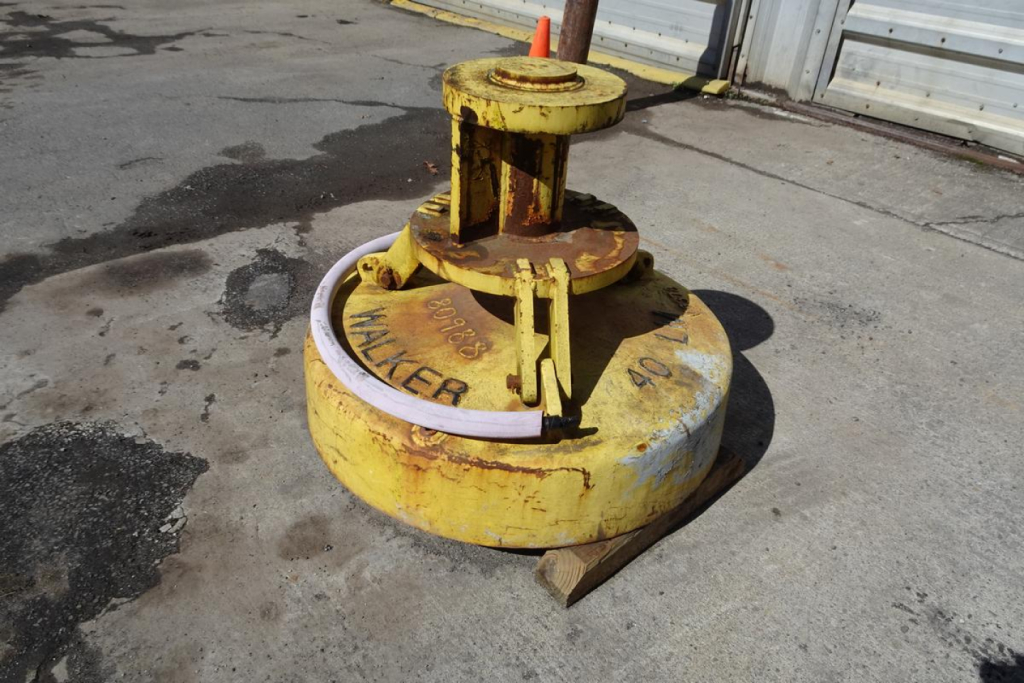
Have used walker recycling trucking equipment to sell? List it here to reach thousands of buyers.
About Used Walker Recycling
Electrical specs should be near the top of the checklist. Voltage, amperage draw, and duty cycle directly affect how the magnet performs in continuous scrap handling. A unit set up for 230V and 30A, for example, needs to match the available power source and control package in your yard or on your machine. Buyers should also confirm whether the equipment is configured as magnet-only or set up for a grapple grab combination, since overall height, width, rigging points, and operating clearance can change with that setup. Weight matters too. A magnet in the 2,000-pound range can be manageable for many applications, but it still needs to fit the lift chart and hydraulic or electrical capability of the host machine.
On used Walker recycling equipment, condition is best judged by function and wear points rather than paint. Look closely at the case, bottom wear surface, cable connections, shackles, lead routing, and any signs of heat damage or repair. If the unit is a magnet, ask about coil integrity, insulation condition, and whether it has been load-tested under normal working current. If it is configured for a grapple, inspect the mounting arrangement and verify compatibility with your existing rotator, boom tip, or handling frame. In scrap applications, even a solid brand-name unit can become expensive if it needs rewiring, controller work, or structural repair before it can go to work.
A good used Walker recycling unit can still be a productive tool when the specs line up with the job. Buyers comparing listings should focus on lifting application, power requirements, attachment setup, and measurable dimensions before anything else. For yards handling shred, turnings, plate, or mixed ferrous material, the right magnet or magnet-grapple configuration can improve cycle times and reduce hand labor. For demolition or transfer work, rigging simplicity and reliable pickup matter just as much as raw lifting force. The best value is usually the unit that fits your machine and material stream without requiring custom electrical changes or fabrication.
Frequently Asked Questions
What is Walker recycling equipment commonly used for?
Walker recycling equipment is commonly used in scrap yards, recycling centers, transfer stations, foundries, and demolition operations to lift, sort, and move ferrous material. Many buyers associate Walker with lifting magnets and magnet systems that handle steel scrap, turnings, plate, castings, and other metal efficiently. Some units are set up to work with grapple grab configurations, which can make them more versatile in mixed material handling environments.
What specs matter most when buying a used Walker recycling magnet?
The most important specs are voltage, amperage, duty cycle, weight, overall dimensions, and attachment or rigging configuration. Those details determine whether the unit will work with your crane, excavator, generator, controller, or stationary handling system. Buyers should also verify whether the equipment is magnet-only or configured for a grapple setup, because that affects height, clearance, mounting, and the type of material the unit can handle efficiently.
How do you evaluate the condition of used Walker recycling equipment?
Condition should be evaluated by operational readiness and structural integrity. Buyers should inspect the housing, wear surface, shackles, cable leads, electrical connections, and any evidence of overheating, impact damage, or weld repair. On magnets, coil condition and consistent lifting performance are critical. If possible, confirm the unit has been tested under load and that its electrical requirements match the intended application.
Can used Walker recycling equipment be adapted to different machines?
Some used Walker units can be adapted, but adaptation is not always simple or cost-effective. The main issues are power supply compatibility, mounting arrangement, rigging geometry, and total suspended weight. A unit that physically fits may still require electrical changes, new control components, or fabrication work before it can be used safely. Buyers should compare the host machine's lift capacity and electrical system to the equipment's actual operating requirements before purchase.
Is duty cycle important on recycling magnets?
Yes. Duty cycle is a major factor because it indicates how long the magnet can operate within a given period without overheating. In high-volume scrap handling, a higher duty cycle supports more continuous work and fewer interruptions. If the magnet will be used for frequent picks throughout the day, duty cycle should be treated as a core performance spec, not a secondary detail.