
Used Link Belt Recycling For Sale
Browse used Link-Belt recycling equipment, including material handlers and shear-equipped units built for scrap, demolition, sorting, and loading.
Learn more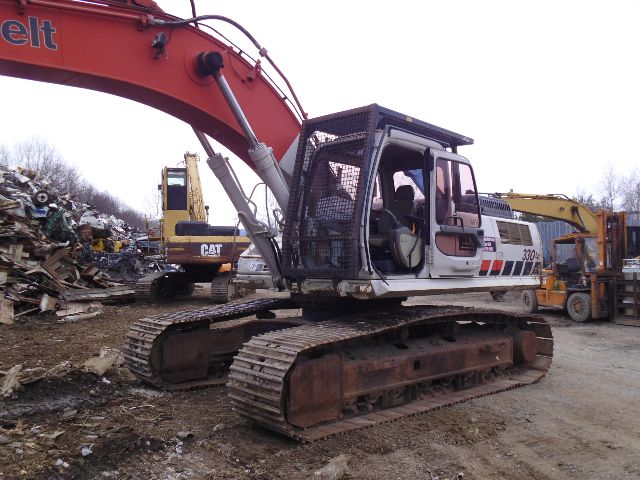
Have used link belt recycling trucking equipment to sell? List it here to reach thousands of buyers.
About Used Link Belt Recycling
One of the first buying decisions is attachment compatibility. Many recycling machines are valued less by the base carrier alone and more by how well the hydraulics, boom geometry, and operating weight support tools such as steel shears or grapples. Machines in the 30-ton class and up are common because they offer the mass and hydraulic capacity needed for cutting and handling dense scrap. Buyers should pay attention to auxiliary hydraulics, pin size, stick length, boom reach, cab guarding, undercarriage condition, and whether the unit has been set up for a dedicated attachment or can be reconfigured for multiple tools. In scrap applications, hours matter, but maintenance history on hydraulic pumps, swing components, pins and bushings, and cooling systems often matters more.
Link-Belt recycling equipment can be a strong fit for operators who need a straightforward, productive platform with widely understood excavator architecture. On used machines, condition at the front end is critical because recycling work is hard on booms, sticks, cylinders, and attachment mounts. Structural inspection should include welds, stress areas around the boom foot and stick base, turntable play, track frame wear, and house guarding if the machine has worked around falling debris. Engine performance, hydrostatic travel response, and cab function also deserve a close look, especially on older shear or grapple carriers that may have spent years in stop-and-start yard duty.
For buyers comparing listings, the practical questions are simple: what material is the machine intended to process, what attachment is included or supported, and how much reach and lifting stability are needed for the jobsite. A used Link-Belt recycling machine with a shear may suit structural steel reduction and scrap preparation, while a grapple-equipped unit may be better for transfer, sorting, and loading. Transport dimensions, operating weight, and regional service access should also be part of the decision, since larger recycling carriers can add significant hauling and support costs over time.
Frequently Asked Questions
What types of jobs are used Link-Belt recycling machines commonly used for?
Used Link-Belt recycling equipment is commonly used for scrap yard loading, demolition sorting, steel processing, waste transfer support, and feeding downstream equipment such as crushers and shredders. Excavator-based recycling units are often equipped with shears, grapples, magnets, or specialized attachments that let them handle mixed debris, structural steel, concrete with rebar, and processed scrap. The exact job fit depends on machine size, hydraulic setup, and front-end configuration.
What should I inspect first on a used Link-Belt recycling machine?
Start with the attachment setup and structural condition. Inspect the boom, stick, linkage, attachment pins, and auxiliary hydraulic lines for wear, leaks, and evidence of repair. Then check swing bearing play, turntable condition, undercarriage wear, cylinder seals, cooling package cleanliness, and engine response under load. If the machine has been running a shear or other high-demand attachment, hydraulic performance and heat management are especially important.
Is a shear-equipped Link-Belt better than a grapple-equipped unit for recycling work?
Neither is better in every case. A shear-equipped machine is better for cutting structural steel, processing scrap, and reducing oversized metal. A grapple-equipped machine is better for sorting, loading, stockpiling, and general yard handling. Some buyers prefer a carrier that can support multiple attachments, but a dedicated setup can be more efficient if the machine will stay on one core task most of the time.
How important are operating weight and reach in recycling equipment?
Operating weight and reach are major buying factors because they affect stability, lifting confidence, and safe attachment use. Heavier machines generally handle dense scrap and larger tools more effectively, while longer boom and stick combinations improve sorting and truck loading reach. The tradeoff is that larger machines can cost more to transport, may have higher ground pressure, and can be less efficient in tight yard layouts.
Do hours tell the full story on used recycling equipment?
No. Hours are useful, but recycling service is severe-duty work, so component condition and maintenance history often tell more than the meter alone. A lower-hour machine that has spent years running a heavy shear without proper hydraulic or structural upkeep can be a risk. A higher-hour machine with documented service, clean hydraulics, solid weld integrity, and a well-maintained attachment setup may be the better buy.