
Used Terex Recycling For Sale
Used Terex recycling equipment includes wheeled material handlers built for scrap, transfer, and waste yards with long reach, hydraulic stability, and grapple-ready setups.
Learn more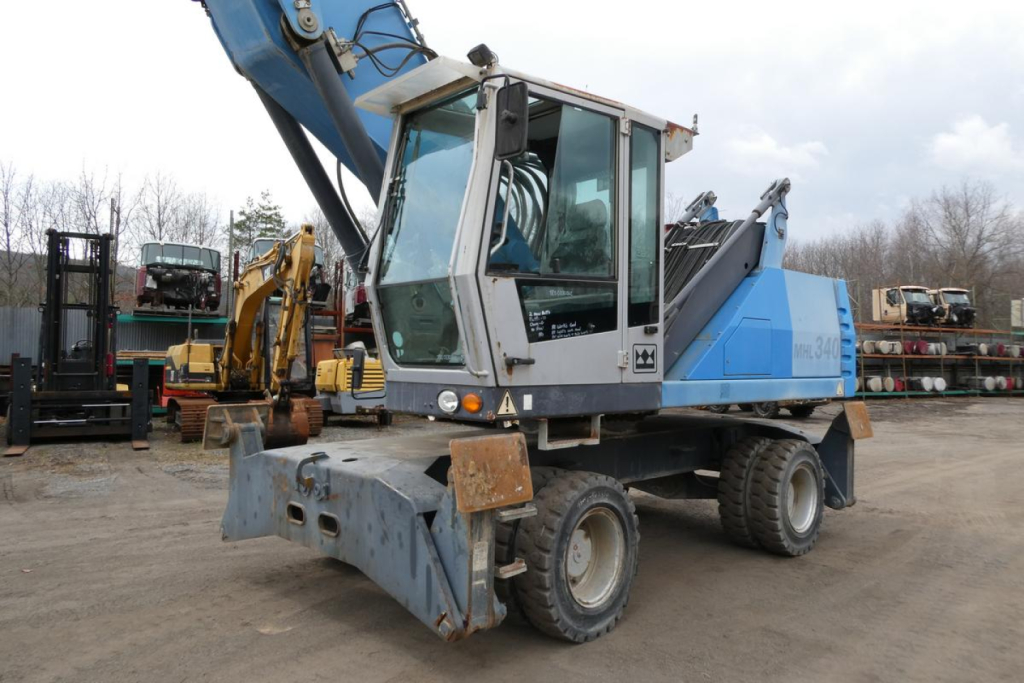
Have used terex recycling trucking equipment to sell? List it here to reach thousands of buyers.
About Used Terex Recycling
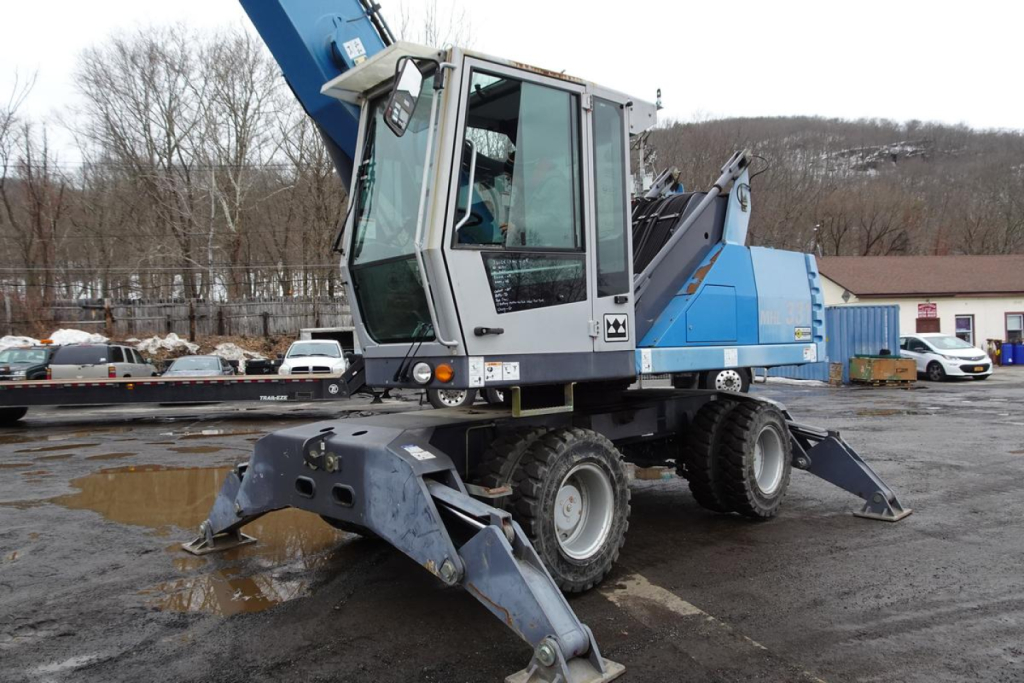
Reach and stability are usually the first big decisions. Many Terex handlers in recycling applications fall into the 30-foot to 45-foot reach range, with operating weights that can move from roughly 50,000 pounds into the 60,000-pound class. That spread matters because a shorter-reach machine can be quicker and easier to position in tighter yards, while a longer-reach unit can load rail, work deeper piles, and reduce machine repositioning. Four hydraulic outriggers are common on these machines and are important for stability during extended boom work. Buyers should also pay close attention to boom and stick wear, turntable play, cylinder condition, and hydrostatic drive performance, since those areas directly affect cycle times and long-term repair cost.
Attachment and electrical setup can change the value of a used Terex recycling machine substantially. Many units are configured for grapples with rotators, and some include a generator for running a scrap magnet. That matters if the machine will handle mixed ferrous material, demolition scrap, C&D debris, or transfer station waste. Hydraulic adjustable cabs are another major feature in this class because elevated visibility improves sorting accuracy, trailer loading, and operator confidence around piles and containers. Backup cameras, joystick condition, tire size, and axle stability also deserve a close look on wheeled handlers, especially if the machine will travel across uneven yard surfaces throughout the day.
Engine and service access still matter, but in the recycling category uptime is tied just as much to structure and hydraulics as to horsepower. Terex material handlers often use diesel engines in the mid-horsepower range paired with hydrostatic transmissions, giving operators fine control during constant loading cycles. For a used purchase, hour meter readings should be weighed against maintenance records, pin and bushing wear, slew ring condition, cooling system health, and the function of any cab raise system or magnet package. A well-matched used Terex recycling handler can be a strong fit for scrap processors, municipal waste sites, and bulk material yards that need dedicated handling capacity without stepping into the cost of a new machine.
Frequently Asked Questions
What is Terex recycling equipment typically used for?
Terex recycling equipment in this category is typically used for scrap handling, waste transfer, bulk material movement, trailer loading, and feeding processing equipment such as shredders, balers, or sorting systems. Most buyers are looking at wheeled material handlers rather than on-road trucks, with grapple or magnet capability depending on the material stream. These machines are built for repetitive lifting and sorting in fixed-yard environments where reach, visibility, and hydraulic control are more important than travel speed.
What should I inspect first on a used Terex material handler?
Start with the boom, stick, pins, bushings, cylinders, turntable, and outriggers because those components take the most stress in recycling service. Then evaluate hydrostatic drive response, swing performance, hydraulic leaks, tire condition, and any play in the upper structure. If the machine has a cab raise feature, magnet generator, rotator, or grapple, verify that each system operates correctly because attachment-related repairs can add up quickly and directly affect production readiness.
How important is reach on a recycling handler?
Reach is one of the most important buying factors because it determines how efficiently the machine can work piles, containers, trailers, and processing lines. A machine in the low-30-foot range may be ideal for tighter yards and quicker cycle work, while a 40-foot-plus reach is better suited for deeper stockpiles, rail access, or loading applications that require more stand-off distance. Too little reach forces repositioning, and too much machine can add cost and reduce maneuverability in confined areas.
Are Terex recycling handlers commonly equipped with grapples and magnets?
Yes, many used Terex recycling handlers are configured for grapple work, and some also include onboard generators to power scrap magnets. That combination is common in ferrous scrap and mixed recycling operations where operators need flexibility between grabbing bulky material and separating magnetic metal. Buyers should confirm the condition of the rotator, grapple tines, auxiliary hydraulics, and generator output before purchase because those systems have a direct impact on job suitability.
Is a wheeled Terex recycling machine a good choice for a scrap yard?
A wheeled Terex material handler is often a strong choice for scrap yards that need mobility across paved or compacted surfaces without the slower travel of a tracked machine. Wheeled units can reposition efficiently around piles, trailers, and processing areas while still offering high cab visibility and strong lifting capability with outriggers deployed. The best fit depends on yard size, surface conditions, required reach, and whether the operation prioritizes fast movement between work zones or maximum stability in a single dedicated loading area.