
Used Motor Graders For Sale
Used motor graders for sale, including road maintenance and site prep machines with common blade, weight, horsepower, and drivetrain options.
Learn moreBrowse Motor Graders Trucking Equipment by Make

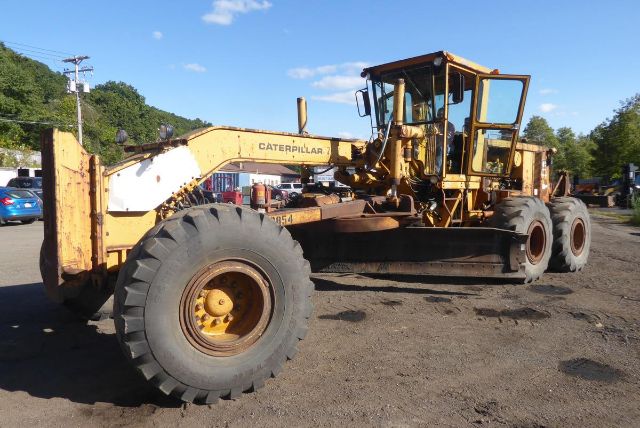
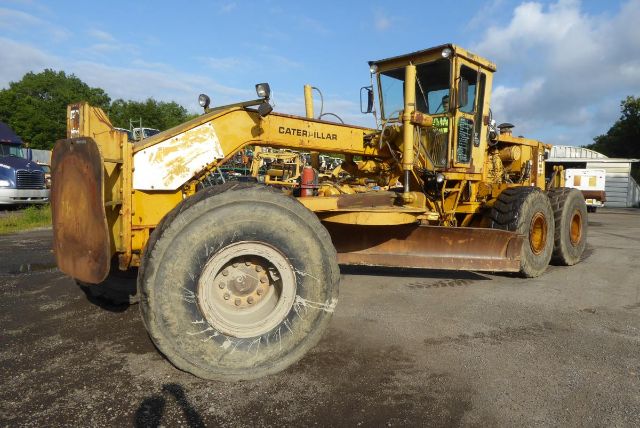
Have used motor graders trucking equipment to sell? List it here to reach thousands of buyers.
About Used Motor Graders
In this category, blade control and hydraulic condition matter as much as engine hours. A used motor grader may be equipped with front hydraulics, mid-mount scarifiers, rear ripper assemblies, articulation, and all-wheel drive. AWD is especially valuable for snow removal, gravel roads, and low-traction surfaces where steering control and front wheel pull make a difference. Buyers should also pay attention to circle wear, drawbar play, side shift function, blade lift cylinders, and any seepage at hydraulic cylinders. On older graders, a machine that runs well but shows looseness in the circle or articulation joint can quickly turn into a more expensive ownership decision than engine work alone.
Most used motor graders on the market are diesel-powered and may use powershift or automatic transmissions with multiple forward and reverse ranges. Operating weights often span from the mid-20,000-pound class up past 50,000 pounds, depending on frame size and application. Tire size, tandem condition, steering response, brake performance, and frame articulation all deserve close inspection, especially on county, township, and contractor-owned units that may have seen regular seasonal use. Service records, cutting edge wear, scarifier tooth condition, and evidence of consistent maintenance are strong indicators of how the machine was managed.
A buyer comparing used motor graders should match machine size to material volume and finish tolerance. Lighter graders can be effective for township roads, shoulder maintenance, and snow programs, while larger machines are better suited for deep cutting, rebuilding haul roads, and maintaining production surfaces over long distances. Transport dimensions also matter, particularly with large-frame graders that can push width, height, and weight limits. A well-matched used motor grader can still deliver precise finish work and dependable road service for years if the blade controls are tight, the hydraulics respond cleanly, and the frame and driveline show manageable wear.
Frequently Asked Questions
What should I inspect first on a used motor grader?
Start with the moldboard, circle, drawbar, and articulation joint because those wear points directly affect grading accuracy and repair cost. Check for excess play in the circle, uneven blade movement, worn cutting edges, leaking hydraulic cylinders, and looseness at the center articulation. After that, inspect the engine, transmission, tandem drive, brakes, steering, and tire condition. A grader can have acceptable engine performance and still be a poor buy if the blade control system and frame components are badly worn.
Is all-wheel drive worth it on a used motor grader?
All-wheel drive is valuable when the grader will work in snow, mud, steep grades, or loose gravel where front wheel pull improves traction and steering control. Municipal buyers often prefer AWD for winter road maintenance, and contractors may want it for unstable subgrades or remote roadwork. For lighter finish grading on firm surfaces, a standard tandem-drive grader may be sufficient and less complex to maintain. The right choice depends on surface conditions, seasonal use, and how often the machine must work in low-traction environments.
What blade size is common on used motor graders?
A 12-foot moldboard is common on mid-size graders used in municipal and general construction work, while larger machines often carry 14-foot to 16-foot blades for heavier roadbuilding and production grading. Blade size should match the machine’s horsepower, operating weight, and the width of the road or work area. Bigger is not automatically better, because a blade that is too large for the machine or the job can reduce control and efficiency.
How many hours is a lot for a used motor grader?
Hours matter, but condition and maintenance history matter more. Many older motor graders remain productive well past the hour range that would concern buyers in other equipment categories, especially if they received regular servicing and did not develop severe wear in the circle, drawbar, articulation, or tandem components. A lower-hour machine with neglected hydraulics, worn pins, and poor blade control can be a worse value than a higher-hour grader with documented maintenance and tight operating systems.
What are common uses for a motor grader besides road grading?
Motor graders are also used for ditch shaping, shoulder maintenance, spreading aggregate, trimming subgrade, snow removal, and maintaining haul roads. Units fitted with front hydraulics and snow equipment can support winter operations, while graders with scarifiers or rear rippers can break up compacted material before finish grading. Their value comes from precise material control across long passes, which makes them useful in municipal fleets, quarry support, site development, and rural road maintenance.