
Used Cranes For Sale
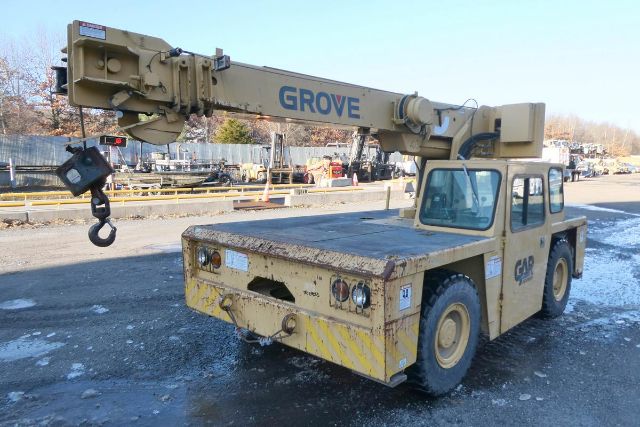
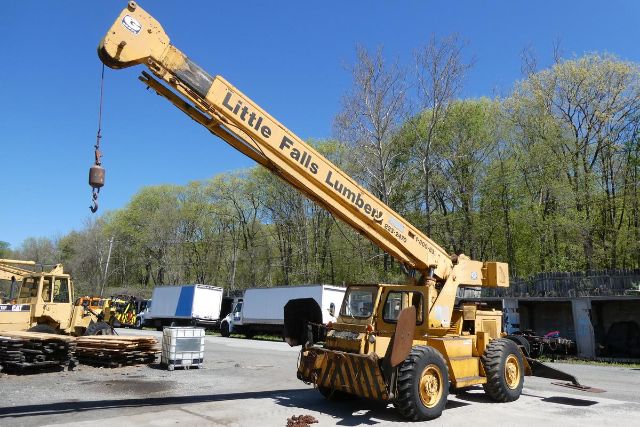
Browse used cranes for sale, including rough terrain and truck-mounted units with varying boom lengths, lift capacities, and cab configurations.
Learn moreBrowse Cranes Trucking Equipment by Make
Have used cranes trucking equipment to sell? List it here to reach thousands of buyers.
About Used Cranes
A used crane should be evaluated first on the load chart, not just the headline ton rating. Maximum capacity only applies at short radius, so buyers need to compare working radius, boom extension range, and jib options against the lifts they expect to make. Common specs that matter include boom type, number of boom sections, maximum tip height, hydraulic function, swing performance, axle or chassis layout, tire size, and overall machine weight. On older units, pay close attention to cylinder seepage, turntable wear, brake operation, cable condition, and any evidence of structural repair or rust in boom sections and outrigger areas. Hour meter readings help, but maintenance history and functional operation matter more than hours alone.
In trucking and fleet applications, cranes are often selected for their ability to move between yards, industrial sites, and construction projects without dedicated support equipment. Compact models can be useful in tight plants, warehouses, and fabrication yards where maneuverability matters more than reach. Larger rough terrain or self-propelled cranes are better suited to outdoor lifts on uneven ground, pipe work, equipment setting, and general contractor support. Buyers should also verify how the crane is powered, since older used units may be diesel, gasoline, propane, or dual fuel, and that affects operating cost, parts support, and where the machine can be used indoors or outdoors.
The strongest value in a used crane is usually found in a machine with a clear service record, a readable load chart, predictable hydraulic performance, and a configuration that matches the work without overspending on unused capacity. Transport width, overall height, tire condition, and local roadability rules can be just as important as boom specs if the crane will move regularly between jobs. Also confirm cab condition, steering mode operation, safety equipment, and the availability of replacement parts for older Grove and similar legacy models, since support and downtime can have a bigger impact on ownership cost than the purchase price alone.
Frequently Asked Questions
What matters more when buying a used crane: ton rating or boom reach?
Both matter, but the load chart is the real decision point. A crane's advertised ton rating reflects maximum lifting capacity at a short radius, not what it can safely lift at full boom extension or with a jib installed. Buyers should compare expected lift weights, pick radius, boom length, and required tip height to the actual chart. A lower rated crane with the right reach and chart can be more useful than a higher ton unit that does not match the work.
What should I inspect first on an older used crane?
Start with structural and hydraulic condition. Check the boom sections for damage, rust, weld repairs, and signs of misalignment. Inspect lift cylinders, hoses, turntable bearing area, swing function, winch operation, cable condition, brakes, steering, and outriggers if equipped. Seepage on cylinders and turntables is common on older cranes, but buyers need to determine whether it is minor age-related leakage or a sign of more expensive repair needs. Functional testing under load is far more valuable than a cosmetic inspection alone.
Are rough terrain cranes and carry deck cranes suitable for trucking-related operations?
Yes, but they serve different roles. Carry deck cranes are compact and maneuverable, making them useful in yards, plants, and industrial facilities where tight access is a constant issue. Rough terrain cranes are larger and better suited to outdoor work on uneven ground, including equipment setting, structural lifts, and contractor support. The right choice depends on site conditions, required capacity, travel distance within the jobsite, and whether compact size or longer reach is more important.
How important is the crane's fuel type on a used machine?
Fuel type can directly affect operating flexibility and long-term ownership cost. Older used cranes may run on diesel, gasoline, propane, or dual fuel systems. Propane and dual fuel setups can be useful in some industrial settings, but buyers should confirm the system is complete, supported, and practical for their operation. Engine parts availability, indoor use requirements, local emissions rules, and technician familiarity all influence whether a particular fuel system is a benefit or a complication.
What transport and dimension issues should buyers verify before purchasing a used crane?
Overall width, height, weight, and roadability are critical if the crane will move between jobs. Some units are compact enough for easier relocation inside industrial properties, while others may require permits, escort planning, or a separate transport strategy. Tire size, steering modes, axle configuration, and brake condition also affect how practical the crane is to reposition. Buyers should confirm local legal requirements and compare transport costs alongside lift performance before making a decision.