
Used Grove Cranes For Sale
Browse used Grove cranes for sale, including rough terrain and industrial models with proven lifting performance for construction and yard work.
Learn more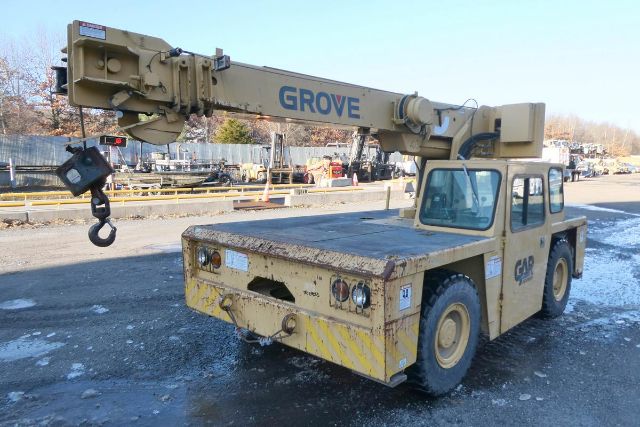
Have used grove cranes trucking equipment to sell? List it here to reach thousands of buyers.
About Used Grove Cranes
Capacity, boom length, and jobsite footprint usually matter more than model year alone. Common specs to review include maximum lifting capacity, boom sections, jib length, pick-and-carry capability, overall machine weight, travel dimensions, steering modes, and tire type. On older Grove cranes, buyers should pay close attention to hydraulic seepage, swing bearing or turntable condition, brake function, hour meter accuracy, and any signs of structural repair on the boom, frame, or outrigger system. Powertrain details also matter, especially on older units that may use diesel, gasoline, propane, or dual-fuel engines paired with simple automatic or powershift transmissions.
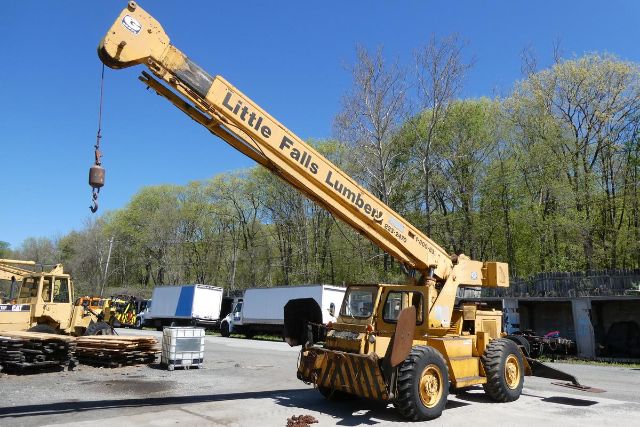
A used Grove rough-terrain crane is often chosen for uneven ground, larger picks, and better off-road mobility, while a Grove carry deck crane is valued for tight industrial spaces, plant maintenance, fabrication yards, and indoor or near-building lifting where compact dimensions are critical. Buyers should verify boom charts, inspect wire rope and sheaves, confirm outrigger operation, and make sure safety equipment and load indicators are present and functioning. Transport considerations are also important, including overall width, height, tire condition, and whether the crane can be moved easily between jobs without special routing or excessive prep.
For many buyers, the value in a used Grove crane comes from getting proven lifting capability without the cost of a late-model machine. The right unit depends on the actual load chart, reach requirements, and site conditions, not just the stated ton rating. A smaller crane with the correct boom geometry and steering setup can outperform a larger machine on confined jobs, while a heavier rough-terrain model may be the better fit for steel erection, precast handling, or utility work. Careful inspection of hydraulics, boom wear, drivetrain condition, and service history is essential on any used crane purchase.
Frequently Asked Questions
What should I inspect first on a used Grove crane?
Start with the structural and hydraulic components. Inspect the boom sections for cracks, weld repairs, corrosion, and uneven wear pads. Check the turntable, swing bearing area, outriggers, lift cylinders, wire rope, sheaves, and hook block for wear or damage. Hydraulic leaks are common on older cranes, so look closely at cylinder seals, hoses, valves, and the rotation area. After that, verify brake performance, steering function, engine condition, and transmission operation under load if possible.
What is the difference between a Grove rough-terrain crane and a Grove carry deck crane?
A Grove rough-terrain crane is built for larger outdoor lifts and uneven ground, usually with bigger tires, higher ground clearance, and stronger off-road mobility. A Grove carry deck crane, sometimes called an industrial crane, is more compact and designed for maneuvering in plants, yards, and confined spaces. Carry deck models are often used for pick-and-carry work and short-radius lifting, while rough-terrain units are better suited for jobsite travel, longer boom requirements, and heavier lifting in open areas.
Does boom length matter more than ton rating on a used crane?
In many real jobs, boom length and load chart matter as much as or more than the advertised ton rating. A crane's usable capacity changes significantly based on radius, boom extension, jib use, and outrigger position. Two cranes with similar ton ratings can perform very differently once the lift requires extra reach or tighter setup space. Buyers should compare the actual load chart to the lifts they plan to make instead of relying only on the maximum rated capacity.
Are older used Grove cranes still practical to own and operate?
Yes, many older Grove cranes remain practical if they have been maintained properly and parts support is still manageable for the specific model. Older units often have simpler mechanical and hydraulic systems, which can be attractive for owners who handle some service work in-house. The tradeoff is that age-related issues such as seal leaks, worn pins and bushings, outdated safety systems, and cosmetic corrosion become more likely. The best candidates are machines with a clear service history, functional safety equipment, and no evidence of major structural repair.
What transport and jobsite fitment factors should I consider before buying a used Grove crane?
Check overall height, width, weight, axle configuration, tire size, and whether the crane can be transported without unusual permits or route restrictions. On the jobsite side, consider ground bearing pressure, outrigger spread, turning radius, and steering modes. A crane that fits the load requirement but cannot access the work area or be moved efficiently between sites can become expensive to own. Matching machine dimensions and mobility to your actual work environment is just as important as choosing the right lift capacity.