
Grove Cranes For Sale
Shop Grove cranes for lifting, yard handling, and jobsite support. Compare boom lengths, capacities, steering, tires, and hydraulic condition.
Learn more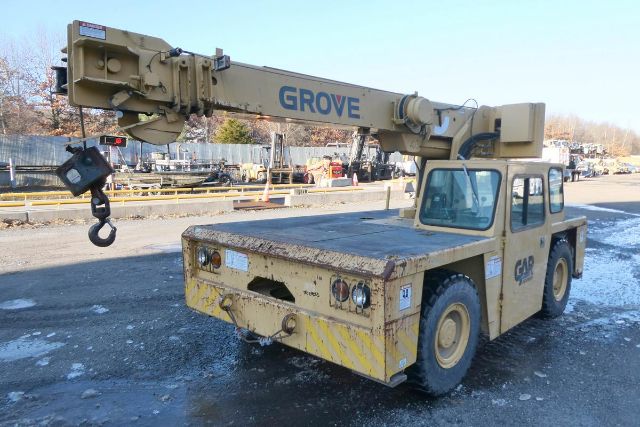
Have grove cranes trucking equipment to sell? List it here to reach thousands of buyers.
About Grove Cranes
Capacity and boom configuration drive most buying decisions. Smaller Grove units may fall in the 8 to 15 ton class, while larger rough terrain machines step well beyond that range. Buyers should compare main boom length, number of boom sections, jib length, winch setup, and maximum pick radius, not just the headline ton rating. A 10 ton crane with a 30 foot boom serves a very different role than a 28,000 lb capacity machine with a 58 foot reach and jib. Load chart availability is critical, especially on older used cranes, because actual lifting capacity changes sharply with boom extension, radius, and outrigger position.
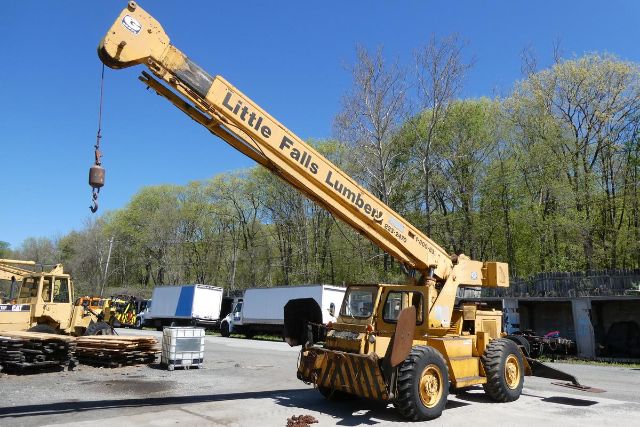
Mechanical condition matters as much as rated capacity on older Grove cranes. Pay close attention to hydraulic leaks at lift cylinders, turntable or swing bearing areas, winches, and control valves. Engine type can vary widely by age and model, including diesel, gas, or dual-fuel setups, and parts support may depend on the exact powerplant as much as the crane itself. Tire type, brake system condition, steering mode operation, and cab condition also affect real operating value. On rough terrain models, inspect frame integrity, axle components, and boom wear pads. On carry deck cranes, confirm three-way steering, deck condition, and smooth function in tight turning situations.
For trucking and fleet buyers, transport dimensions and operating weight should be checked early. Overall height, width, machine weight, and tire size can affect hauling permits, trailer selection, and site access. Older Grove cranes can still be productive assets for precast work, farm use, equipment setting, structural jobs, and yard lifting, but only if the inspection covers boom structure, sheaves, pins, hook block, outriggers, and safety systems. A well-matched Grove crane can be a practical lifting solution when the machine's reach, mobility, and ground conditions line up with the work.
Frequently Asked Questions
What types of Grove cranes are commonly found on the used market?
Common used Grove cranes include rough terrain cranes, carry deck or industrial cranes, and some older crane truck-style units. Rough terrain models are designed for jobsite mobility on uneven ground with larger tires and outriggers. Carry deck cranes are compact lifting machines built for short moves and tight spaces in plants, yards, and industrial settings. The model family matters because transport, turning radius, boom length, and jobsite suitability differ significantly between these crane types.
What should I check first when buying a used Grove crane?
Start with the load chart, boom condition, and hydraulic system. A crane's rated capacity is only useful if the correct load chart is present and legible, because capacity changes by boom length, radius, and outrigger setup. Inspect the boom for cracks, weld repairs, wear pads, and smooth telescope function. Check for leaks at cylinders, hoses, turntable areas, and winches, then verify that steering, brakes, outriggers, swing, and hoist functions operate correctly under load if possible.
Are older Grove cranes still practical for commercial use?
Older Grove cranes can still be practical if the machine matches the work and passes a thorough inspection. Many older units are used for equipment setting, farm support, steel handling, small construction jobs, and yard lifting. The key issues are structural integrity, hydraulic health, brake function, tire condition, and parts availability for both the crane and engine. Buyers should also confirm that safety equipment and operating controls meet their job requirements before putting an older crane into service.
How important are boom length and jib length on a Grove crane?
Boom length and jib length directly affect reach, lift radius, and the type of work the crane can handle. A shorter boom may be fine for loading, yard work, or machinery moves, but longer booms and jibs are more useful for setting materials over obstacles or reaching deeper into a site. Buyers should compare the maximum boom extension, number of sections, and jib options against the actual lift plan, because a higher ton rating does not automatically mean better reach where the work is being done.
Do transport dimensions matter when buying a Grove crane for trucking operations?
Yes. Overall height, width, length, and operating weight affect how easily a crane can be moved between jobs. These dimensions determine trailer requirements, permit needs, legal routing concerns, and site access. A compact carry deck crane may be easier to haul and unload in urban or plant environments, while a larger rough terrain unit may offer more lifting performance but create more transportation and setup considerations for the fleet.