
Used Agriculture Equipment For Sale
Used agriculture equipment for sale, including mowers, compact grounds units, and specialty machines with key specs buyers compare.
Learn moreBrowse Agriculture Equipment Trucking Equipment by Make
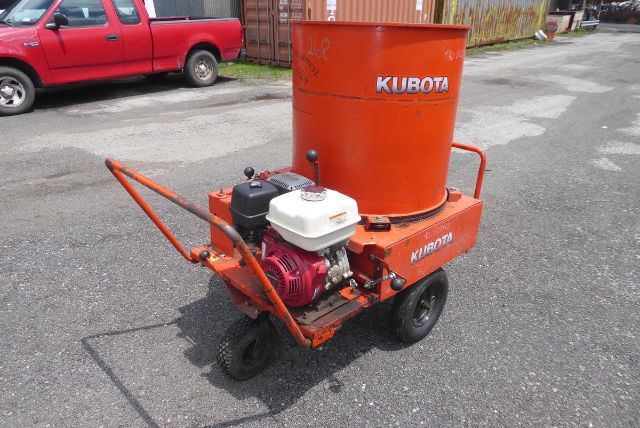
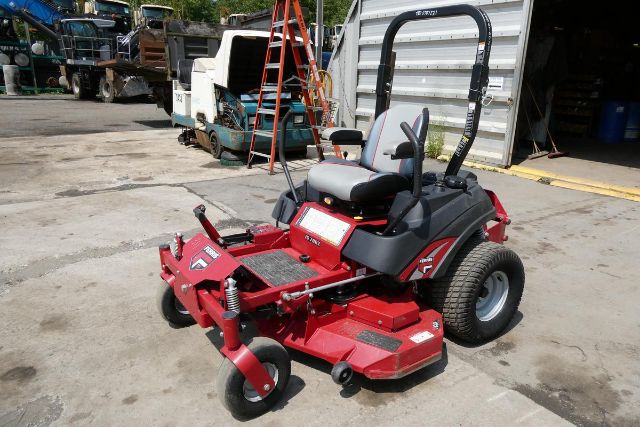
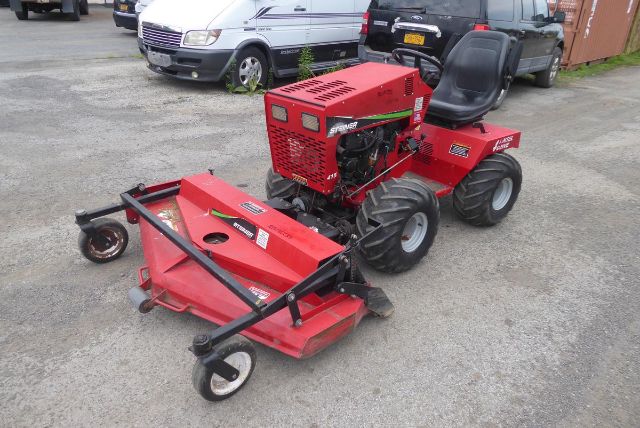
Have used agriculture equipment trucking equipment to sell? List it here to reach thousands of buyers.
About Used Agriculture Equipment
The most important buying decisions usually come down to powertrain, attachment setup, and operating condition. Gas engines from Honda, Kawasaki, and Kohler are common on smaller used agriculture equipment, while hydrostatic or belt-driven systems are typical on mowing and utility platforms. Buyers should pay close attention to engine hours, cold-start behavior, hydro response, deck engagement, steering play, and visible leaks around pumps, wheel motors, and seals. On front-mount and articulating machines, attachment compatibility matters as much as the base unit. Verify PTO or belt-drive configuration, lift function, hydraulic couplers, and whether the machine includes mower decks, weights, ROPS, or seasonal attachments.
Dimensions and transportability also matter more in this equipment class than many buyers expect. Deck width, overall machine width, and folded height determine trailer fit, gate clearance, and storage needs. Tire size, tread type, and 2WD versus 4WD affect performance on soft ground, slopes, and rough field edges. For mowing applications, buyers typically compare cut width, discharge type, height-of-cut range, and deck construction. For property and grounds support equipment, look at machine weight, center of gravity, parts support, and how easily routine service can be done in-house.
A good used agriculture equipment purchase is usually the machine that matches the work cycle, not the one with the most attachments or highest horsepower on paper. A lower-hour mower with a clean deck shell, solid spindles, and responsive hydro drive can be a better value than a larger unit with deferred maintenance. On compact tractors and attachment carriers, inspect frame articulation points, driveline components, tire wear patterns, and signs of hard commercial use. Parts availability, dealer support, and the cost of replacement decks, belts, blades, and hydraulic components should be part of the buying decision because long-term operating cost can outweigh the initial purchase price.
Frequently Asked Questions
What should I check first when buying used agriculture equipment?
Start with the machine’s actual job type, then inspect the engine, drive system, and attachment components that do that job. On mowing and grounds units, pay close attention to engine hours, starting and idle quality, hydrostatic response, deck engagement, spindle noise, belt condition, tire wear, and hydraulic leaks. A machine can look clean and still have expensive wear in the deck, pump, wheel motor, or attachment drive system.
Are hours the best way to judge used agriculture equipment condition?
Hours are useful, but they do not tell the whole story. A lower-hour machine that sat outside with poor maintenance can be a worse buy than a higher-hour unit that was serviced regularly. Buyers should compare hours with the condition of controls, tires, deck shell, seat, linkage, hoses, and engine bay. Consistent service history and a clean operational test usually matter more than the hour meter alone.
What specs matter most on used mowing and grounds equipment?
The key specs are engine type and horsepower, transmission type, drive configuration, mower deck width, discharge setup, cutting height range, machine weight, and overall dimensions. Width and height affect trailer loading, shed storage, and access through gates or narrow lanes. If the machine uses interchangeable attachments, buyers should also confirm the mounting system, PTO or belt-drive arrangement, and compatibility with available implements.
Is 4WD worth it on compact agriculture and grounds machines?
4WD is often worth the extra cost if the machine will work on slopes, soft ground, wet turf edges, or uneven terrain. It improves traction and can reduce downtime when conditions are less than ideal. For flat, dry properties and lighter mowing cycles, 2WD may be adequate, but buyers should still consider tire type, machine balance, and overall weight because those factors strongly affect real-world performance.
How important is parts support on older used agriculture equipment?
Parts support is a major factor, especially on older specialty machines and attachment carriers. Buyers should confirm availability of blades, belts, filters, spindle assemblies, hydraulic hoses, wheel motors, steering components, and attachment-specific parts before committing. A well-built machine can still become costly if common wear items are hard to source or only available through limited channels.