
Used Skid Steer Loaders For Sale
Used skid steer loaders for sale, including wheeled and tracked models with common specs, attachment options, lift capacities, and buyer tips.
Learn moreBrowse Skid Steer Loaders Trucking Equipment by Make
Have used skid steer loaders trucking equipment to sell? List it here to reach thousands of buyers.
About Used Skid Steer Loaders
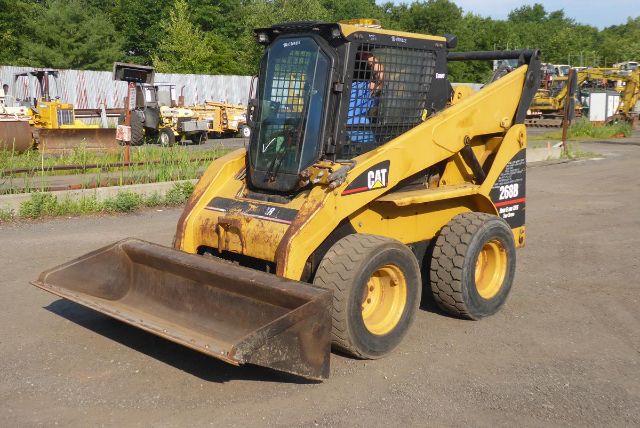
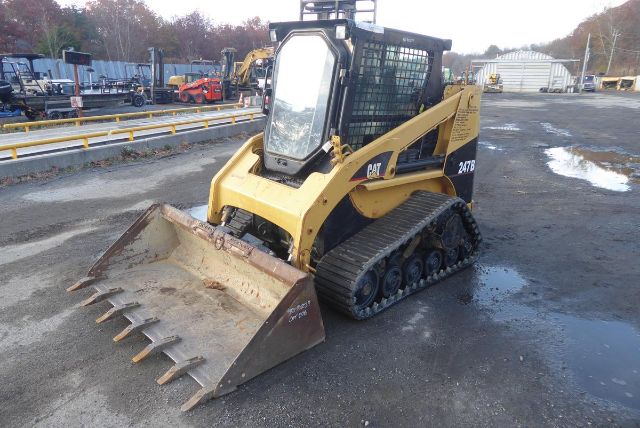
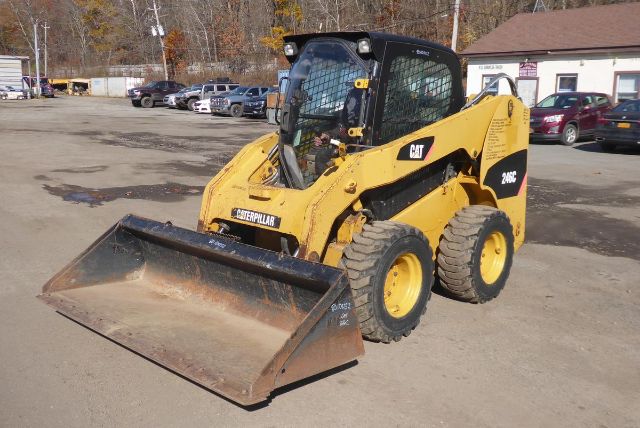
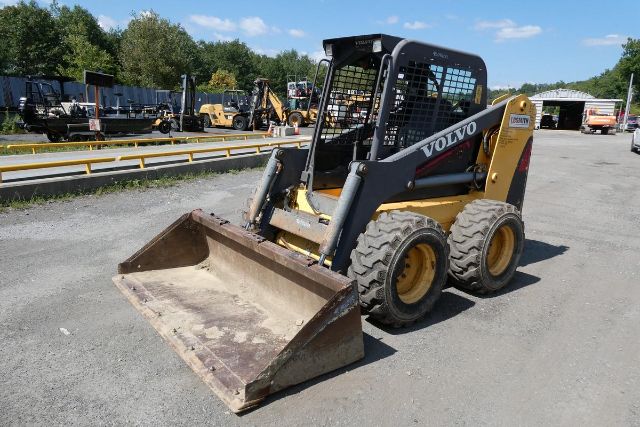
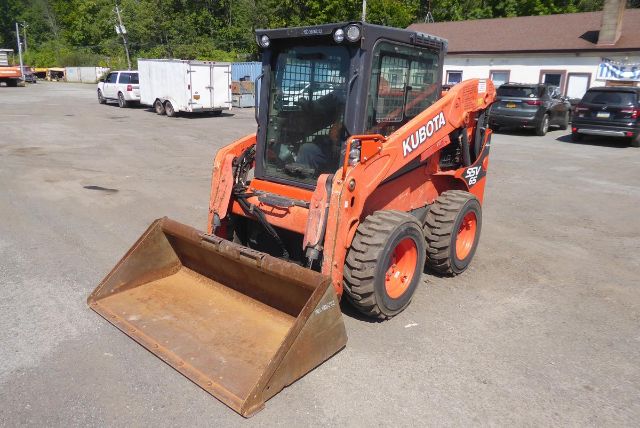
One of the first decisions is wheeled skid steer versus rubber track machine. Wheeled units are typically faster on hard surfaces, simpler to maintain, and well-suited for yards, concrete, asphalt, and general loading work. Tracked versions, often marketed as compact track loaders, add flotation and traction in mud, sand, soft fill, and rough terrain, but undercarriage wear becomes a major inspection point. On used machines, buyers should pay close attention to tire condition or track life, sprockets, rollers, idlers, final drives, and any uneven wear that may point to alignment or frame issues. Lift path also matters. Radial-lift machines are often favored for digging and grading, while vertical-lift designs usually offer better reach at full height for loading trucks and hoppers.
Hydraulic capability drives attachment versatility, so auxiliary hydraulics are more than a nice option. Standard-flow machines handle common tools like buckets, pallet forks, angle brooms, and augers. High-flow setups are preferred for demanding attachments such as cold planers, forestry heads, trenchers, and some mulchers. Quick couplers, electric-over-hydraulic controls, and a cab with heat and air conditioning can make a real difference in productivity and operator retention. Typical used specs in this category include bucket widths from about 66 to 84 inches, loading heights around 9 to 10 feet, two-speed travel, and enclosed or open ROPS/FOPS operator stations. Rated operating capacity, tipping load, breakout force, and hydraulic gpm should be matched to the actual attachment package and material being handled.
Condition matters more than brand decals on a used skid steer. Check for pin and bushing wear, boom arm straightness, bucket fit, cylinder leakage, chain case noise, hydrostatic drive response, and slop at the quick attach. Cab glass, restraint bar function, gauges, fault codes, and hour meter consistency all help tell the story of how the machine was used. A well-kept used skid steer loader can be a highly efficient support asset for trucking-related operations because it is compact enough to transport easily, versatile enough to replace several single-purpose machines, and productive enough to stay busy year-round with the right attachment setup.
Frequently Asked Questions
What should I look for first when buying a used skid steer loader?
Start with structural condition and hydraulic performance. Inspect the loader arms, quick attach plate, frame, and bucket for signs of twisting, welding, or impact damage. Check pins and bushings for excess movement, look for leaking cylinders and hoses, and make sure the hydrostatic drive pulls evenly in both directions. Tire or track wear, engine blow-by, cold-start behavior, and hour meter consistency are also important because they help confirm how hard the machine has worked and how much reconditioning may be needed.
Is a wheeled skid steer better than a tracked model?
A wheeled skid steer is often the better choice for hard surfaces, frequent travel, lower operating cost, and general loading work. A tracked machine, also called a compact track loader, is usually better in soft ground, mud, and uneven terrain because it spreads weight and improves traction. The right choice depends on where the machine will spend most of its time. Buyers should also remember that track systems and undercarriages can be more expensive to repair than tires and wheels.
How much horsepower and lift capacity do most used skid steer loaders have?
Many used skid steer loaders fall in the mid-size range with about 60 to 85 horsepower and operating weights around 7,000 to 9,000 pounds. Rated operating capacity varies by model, but many common machines are built to handle palletized material, aggregate, debris, and general attachment work without moving into larger loader classes. Buyers should compare rated operating capacity, tipping load, hinge pin height, and breakout force instead of shopping by horsepower alone.
Why do auxiliary hydraulics and high-flow matter on a skid steer?
Auxiliary hydraulics determine which attachments the machine can run. Standard-flow hydraulic systems are enough for buckets, forks, grapples, and many basic tools. High-flow hydraulics are important when running power-hungry attachments like planers, trenchers, and some brush-cutting or forestry tools. If a skid steer will be used as a year-round attachment carrier, hydraulic flow and pressure can be just as important as engine power.
Are enclosed cabs worth it on a used skid steer loader?
For many buyers, yes. An enclosed cab with heat and air conditioning improves operator comfort, reduces fatigue, and extends usable working hours in hot, cold, wet, or dusty conditions. It can also help with labor retention when multiple operators use the machine. On a used unit, make sure the HVAC system works properly, the glass is intact, the door seals well, and the safety interlocks and controls function as they should.