
Used Caterpillar Skid Steer Loaders For Sale
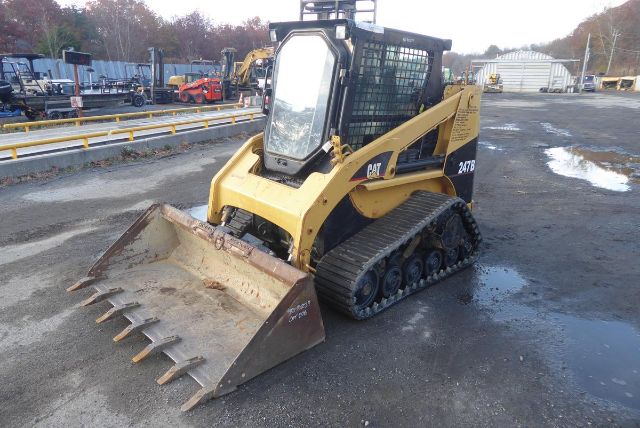
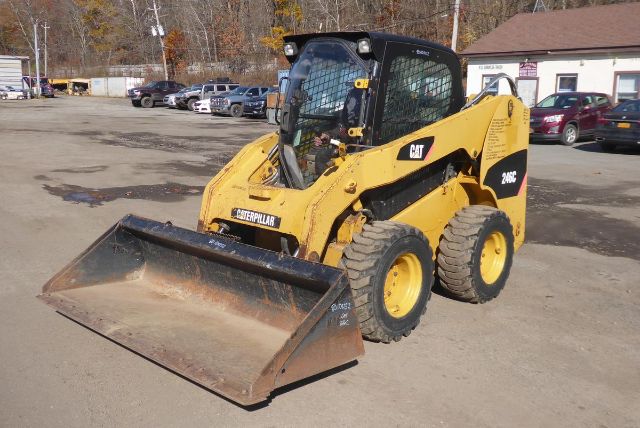
Browse used Caterpillar skid steer loaders with track or wheel options, auxiliary hydraulics, enclosed cabs, and versatile attachment capability.
Learn more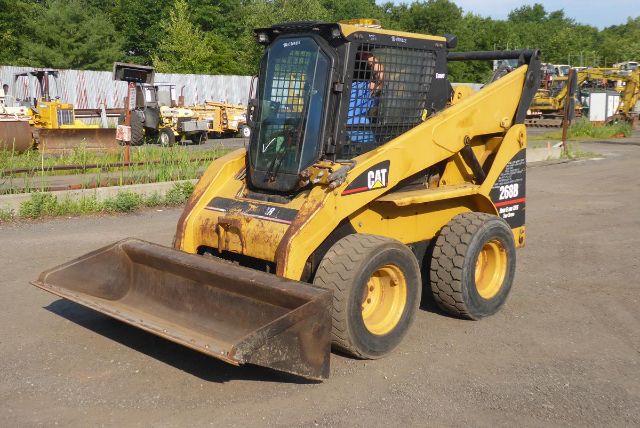
Have used caterpillar skid steer loaders trucking equipment to sell? List it here to reach thousands of buyers.
About Used Caterpillar Skid Steer Loaders
A lot of used Caterpillar models in this class fall into the mid-size range, often with diesel engines in the roughly 70 to 80 horsepower range, operating weights around 7,000 to 9,000 pounds, and hydrostatic transmissions. Common specs that deserve close review are rated operating capacity, tipping load, lift path, machine width, auxiliary hydraulic flow, and bucket size. High Flow hydraulics are especially important if you plan to run cold planers, brush cutters, snow blowers, trenchers, or other power-hungry attachments. Standard auxiliary hydraulics are usually enough for buckets, pallet forks, grapples, augers, and many general-purpose tools. Cab configuration also matters. An enclosed cab with heat can be a real productivity upgrade for year-round work, especially in cold climates, dusty sites, or long operator shifts.
On a used Cat skid steer, condition is often more important than age alone. Buyers should inspect boom arm alignment, bucket fitment, quick coupler function, pin and bushing wear, cylinder leakage, and signs of heavy attachment use. On wheeled machines, tire condition and sidewall damage affect near-term operating cost. On track machines, look closely at rubber tracks, bottom rollers, sprockets, idlers, and undercarriage wear because those items can change the true cost of ownership quickly. Hour meter readings are helpful, but they should be weighed against ECU hours when available, service records, and overall machine tightness. Hydraulics should respond cleanly without chatter, drift, or weak lift performance. A machine that runs well but shows play in the linkage or wear at the coupler may still be a workable buy if the price reflects repair needs.
Caterpillar skid steer loaders are also known as skid steers, skid loaders, or in some cases compact track loaders when equipped with tracks instead of tires. They are commonly used for loading aggregate, handling pallets, site prep, grading, snow removal, landscape material placement, and cleanup around commercial yards or construction sites. Transport considerations matter too. Machine width, operating weight, bucket size, and trailer compatibility should all be checked before purchase, especially if the unit will be moved frequently between jobs. For buyers comparing multiple used Cat models, the smartest approach is to match the machine to the attachment package, surface conditions, and lift requirement rather than shopping by horsepower alone.
Frequently Asked Questions
What is the difference between a Caterpillar skid steer loader and a Caterpillar compact track loader?
A Caterpillar skid steer loader typically uses tires, while a Caterpillar compact track loader uses rubber tracks and a suspended undercarriage or roller system. Wheeled skid steers usually cost less to maintain and perform well on pavement, concrete, and firm yards. Track loaders generally offer better traction and flotation in mud, sand, loose fill, and soft jobsites, but undercarriage wear is a major cost point on used machines.
What should I inspect first on a used Caterpillar skid steer loader?
Start with the hydraulic system, loader arm linkage, quick coupler, and overall structural condition. Check for leaking cylinders, weak lift or tilt response, cracked welds, bent boom arms, and excessive play in pins and bushings. Then inspect tires or tracks, undercarriage components, engine starting behavior, auxiliary hydraulics, and hour meter accuracy. A clean-running machine with worn linkage can still need meaningful repair money, so structural tightness matters as much as cosmetic condition.
Is High Flow hydraulics necessary on a used Cat skid steer?
High Flow hydraulics are necessary only if the attachment requires greater hydraulic volume than a standard auxiliary circuit can provide. Buyers planning to run cold planers, heavy brush cutters, snow blowers, or other high-demand tools should confirm High Flow capability before purchase. For general bucket work, forks, light grapples, and many augers, standard auxiliary hydraulics are often sufficient.
How much horsepower do used Caterpillar skid steer loaders usually have?
Many used Caterpillar skid steer loaders in the common mid-size classes are equipped with diesel engines in roughly the 70 to 80 horsepower range, though exact output varies by model and series. Horsepower is only part of the buying decision. Rated operating capacity, hydraulic flow, machine weight, lift geometry, and attachment compatibility usually have a bigger impact on job performance than engine output alone.
Are enclosed cabs worth it on a used skid steer loader?
An enclosed cab is usually worth the premium if the machine will be used in winter weather, dusty environments, or long daily shifts. A sealed cab with heat improves operator comfort, reduces fatigue, and can support better productivity over the course of a workday. Buyers should still test all cab functions, including HVAC, door seals, visibility, and control response, because cab repairs can add cost on an older used unit.