
Used Agriculture - Tractors For Sale
Used agriculture tractors for sale, including utility and mowing tractors with PTO, 2WD or 4WD, cab options, and common farm-ready attachments.
Learn moreBrowse Agriculture - Tractors Trucking Equipment by Make
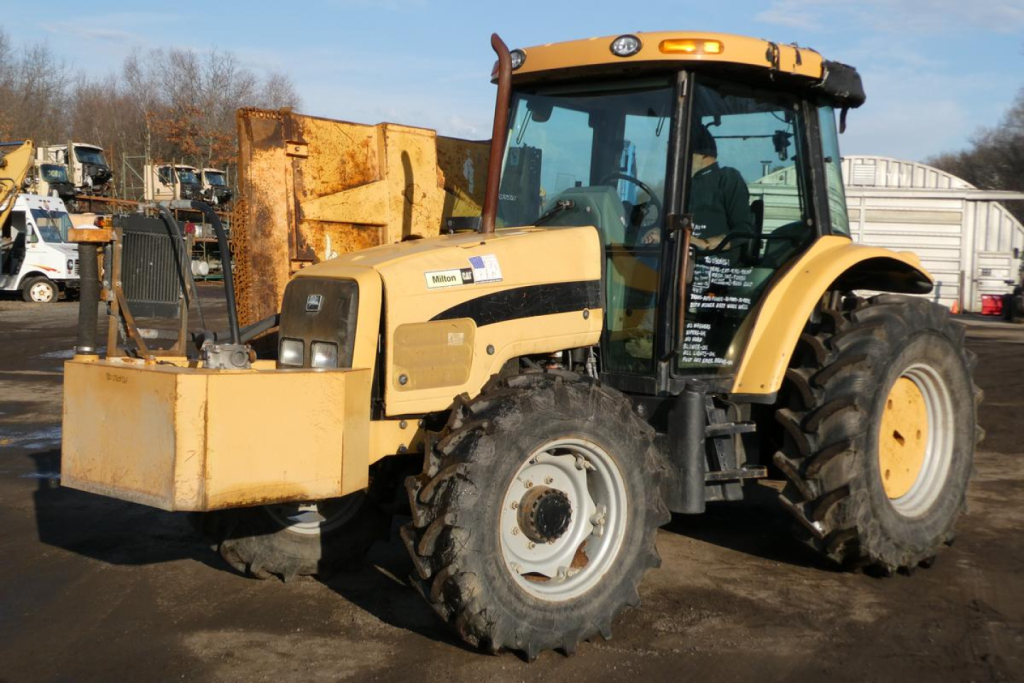
2008 Challenger MT455B
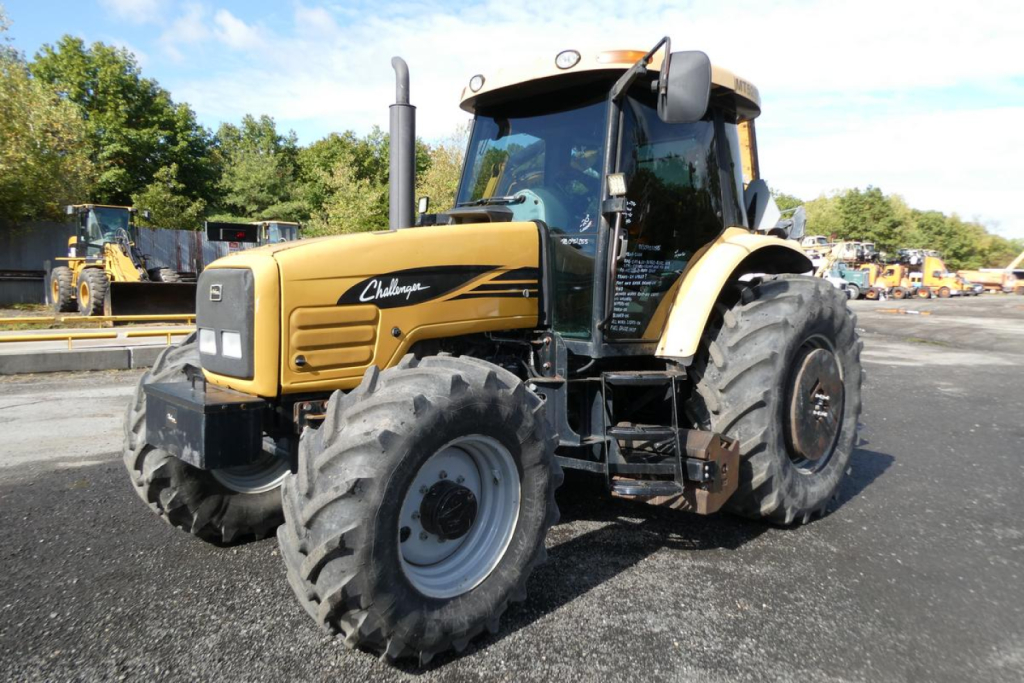
2005 Challenger MT525B
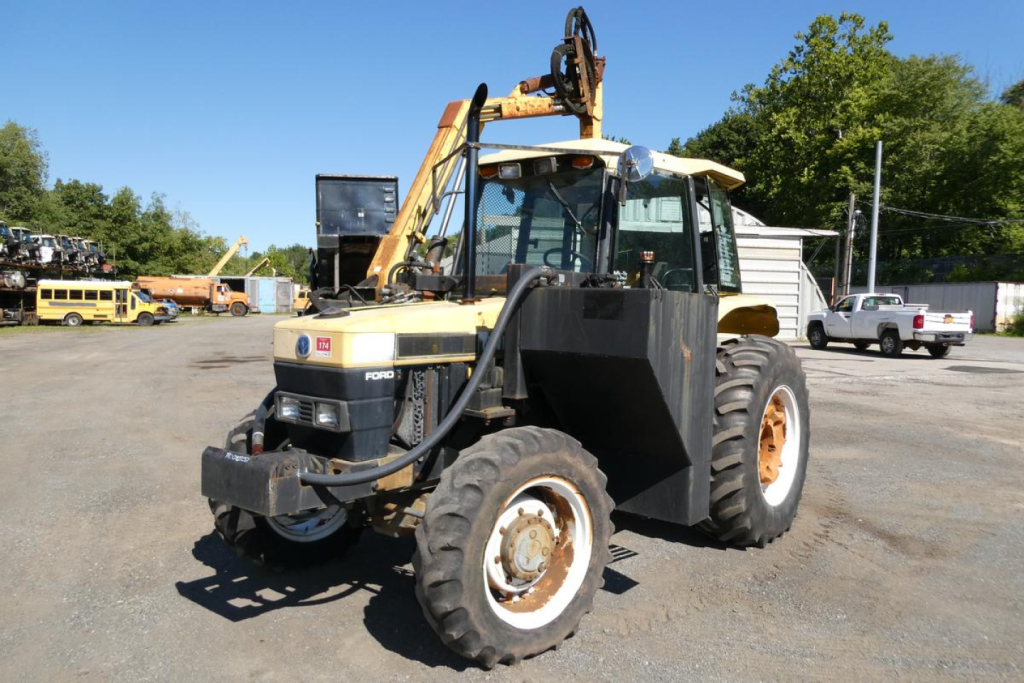
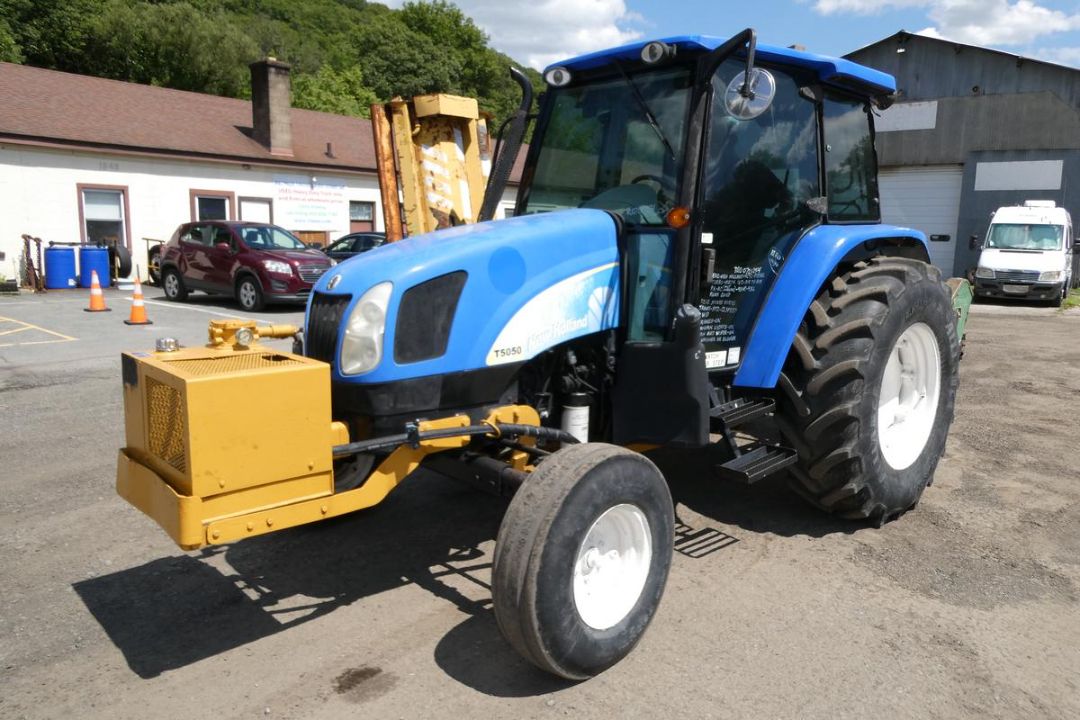
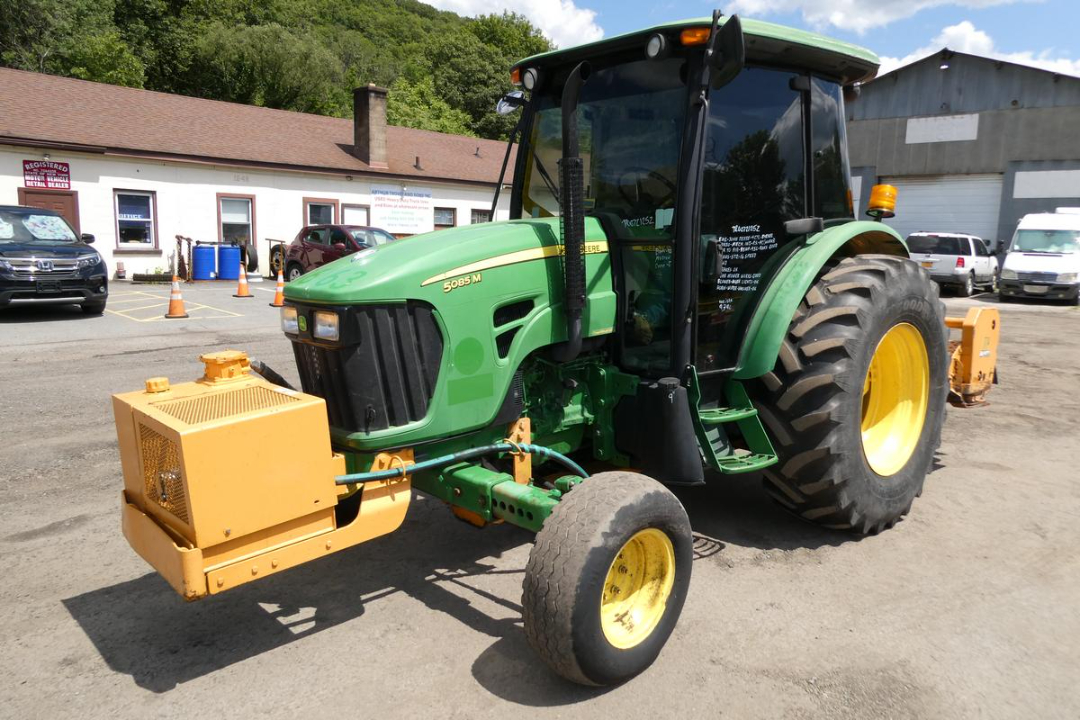
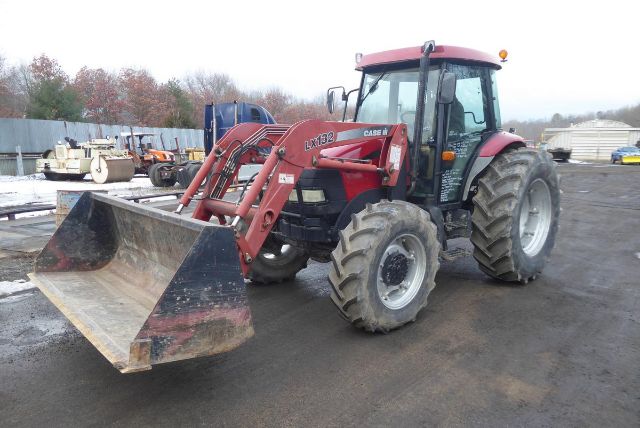
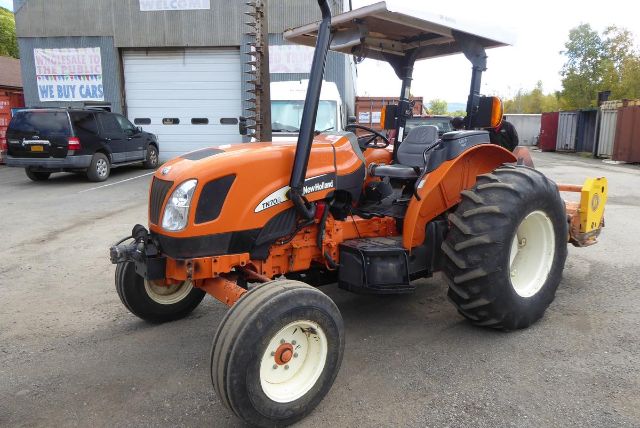
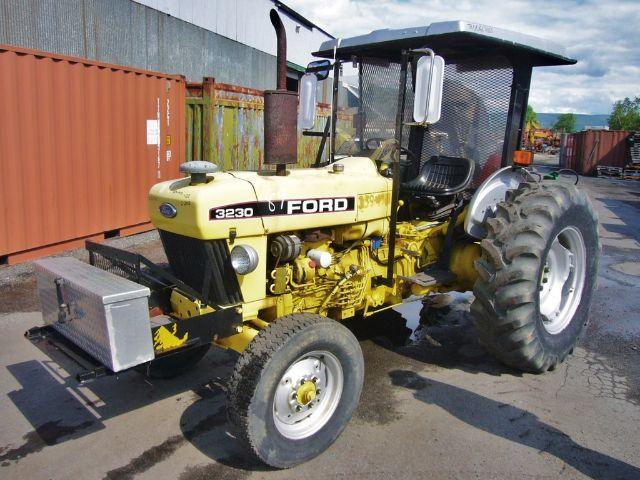
Have used agriculture - tractors trucking equipment to sell? List it here to reach thousands of buyers.
About Used Agriculture - Tractors
A buyer should pay close attention to how the tractor is equipped, not just the badge on the hood. PTO horsepower matters for flail mowers, rotary cutters, and other driven implements, while hydraulic flow and front pump setups matter when the tractor has a hydraulic side mower, boom mower, or loader package. Many used tractors in this segment include 3-point hitch capability, auxiliary hydraulics, adjustable front axles, enclosed ROPS cabs, or open operator stations. Tire type, rear tire size, and 2WD versus 4WD also affect field traction, mowing stability, loader performance, and operating cost on mixed surfaces.
Condition on a used farm tractor is often defined by hours, service history, and how the machine was applied. A tractor that spent its life on PTO mowing may show different wear than one used heavily with a front loader or in row-crop work. Buyers should inspect clutch and transmission response, PTO engagement, hydraulic lift strength, steering play, cooling performance, and any cab functions such as air conditioning, glass, and seals. If the tractor includes a mower arm, flail mower, sickle bar, or loader, check for cylinder leaks, pump noise, driveline wear, missing shafts, and frame stress around mounting points. On older mechanical-engine tractors, simplicity can be an advantage for maintenance and field repairs, but wear in the hydraulics and driveline becomes more important.
For trucking and transport planning, these tractors vary widely in shipping weight and overall dimensions once attachments are installed. A basic utility tractor may stay manageable on a tag trailer, while a unit with boom mower, cab, or loader can add height, width, and axle weight fast. Buyers comparing used agriculture tractors should match the machine to the real job first: PTO mowing, loader handling, roadside vegetation control, livestock chores, or light farm production. The best value is usually the tractor with the right hydraulic capacity, hitch setup, tire package, and operator station for the application, not simply the newest model year.
Frequently Asked Questions
What horsepower range is most common for used agriculture tractors in this category?
Many used agriculture tractors in this category fall in the 70 to 120 horsepower range. That size is popular because it handles a broad mix of jobs, including mowing, loader work, hay operations, roadside maintenance, and general farm use. PTO horsepower is just as important as engine horsepower if the tractor will run flail mowers, rotary cutters, or other powered implements.
Is 2WD or 4WD better on a used utility tractor?
The right choice depends on the application. A 2WD tractor can work well for lighter mowing, transport, and general use on firm ground, and it is often simpler and less expensive to maintain. A 4WD tractor usually offers better traction, improved loader performance, stronger control in wet or uneven conditions, and better productivity when pulling implements or working on slopes.
What should I inspect first on a used farm tractor?
Start with engine starting behavior, exhaust condition, transmission operation, PTO engagement, hydraulic response, steering, brakes, and hour meter credibility. Then inspect the 3-point hitch, remote hydraulics, tire condition, and any attachment mounting points. If the tractor includes a loader, mower arm, or flail mower, look closely for leaking cylinders, cracked welds, worn pins and bushings, pump noise, and missing driveline components.
Why does PTO and hydraulic setup matter so much on a used tractor?
PTO and hydraulics determine what the tractor can actually run. A rear PTO is critical for implements such as rotary cutters and flail mowers, while hydraulic flow and auxiliary remotes are important for loaders, sickle bars, boom mowers, and other hydraulic-driven attachments. A tractor may have enough engine horsepower for the job but still be limited if the PTO rating or hydraulic capacity is not matched to the implement.
How do attachments affect the value and transport of a used agriculture tractor?
Attachments can add real working value, but they also change the inspection and hauling picture. A loader, side mower, or rear mower increases weight, length, and sometimes transport height or width. The attachment should be evaluated as its own component for wear, leaks, structural condition, and driveline completeness, because repair costs can change the total value of the package quickly.