
Used Challenger Agriculture - Tractors For Sale
Browse used Challenger agriculture tractors built for mowing, loader work, PTO applications, and field duty with 4WD, cab, and utility-size power.
Learn more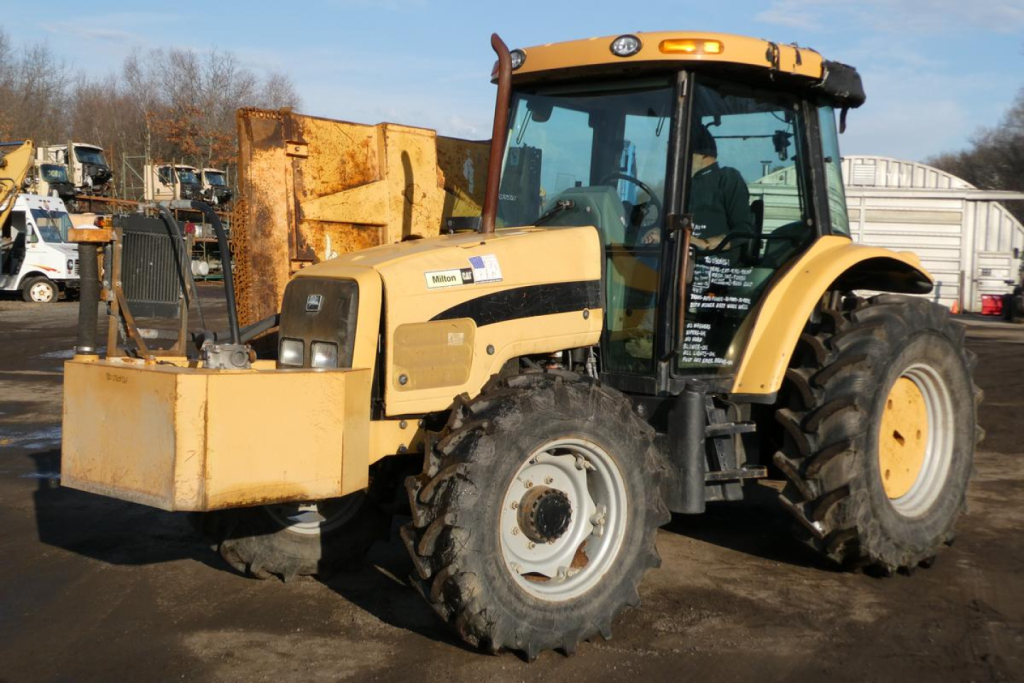
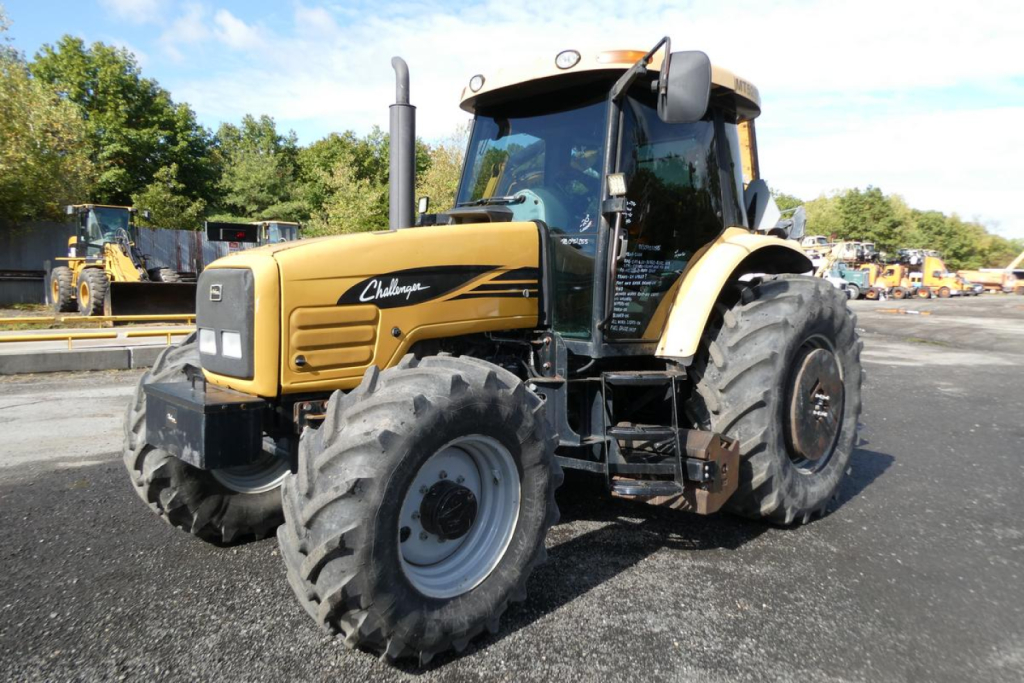
Have used challenger agriculture - tractors trucking equipment to sell? List it here to reach thousands of buyers.
About Used Challenger Agriculture - Tractors
A buyer comparing used Challenger tractors should start with horsepower, transmission type, and hydraulic setup. Models in this class commonly fall around the 90 to 120 horsepower range, which is enough for rotary cutters, flail mowers, batwing support duties, balers, spreaders, and 3-point hitch attachments without stepping into larger row-crop tractor size and cost. Common features include mechanical or power shuttle transmissions, multi-speed automatic or semi-powershift arrangements, rear PTO, and Category II or similar 3-point hitch capability. Tire size, 4WD engagement, rear ballast, and axle condition also matter because many of these tractors spend their lives in mowing, rough ground, and loader environments rather than strictly in tilled fields.
Condition is more important than age in this segment. On a used Challenger tractor, hours should be weighed against service history, cold-start behavior, hydraulic response, PTO engagement, front axle wear, and cab function. If the tractor has been used with boom mowers, flail mowers, or other hydraulic-driven roadside equipment, inspect the front-mounted pump setup, remote valves, hose routing, and any added framework carefully. Buyers should also check for roof or glass damage, A/C operation, steering play, lift-arm wear, tire matching, and signs of hard use around the drawbar, lower links, and rear housing. A tractor that runs clean, shifts correctly, and holds hydraulic pressure under load is usually a better value than one with low indicated hours but deferred maintenance or non-working cab systems.
Challenger tractors appeal to farms, municipalities, contractors, and large-acreage owners who need a machine that can switch between field tasks and maintenance work. They are also known as farm tractors or utility tractors depending on size and setup. The right choice depends on attachment compatibility, PTO requirements, lift capacity, and transport needs. Buyers planning to run mowers or roadside equipment should confirm overall width, cab height, tire clearance, and hydraulic pump capacity. Buyers focused on hay, property maintenance, or general farm work should prioritize transmission behavior, hitch control, engine condition, and parts support for the specific MT model.
Frequently Asked Questions
What should I look for first when buying a used Challenger agriculture tractor?
Start with engine condition, transmission operation, 4WD function, and hydraulic performance. A used Challenger tractor should start cleanly, idle evenly, pull without excessive smoke, and shift through all ranges without hesitation. On utility-size models, buyers should also confirm PTO engagement, 3-point hitch lift response, front axle condition, and tire wear because these tractors are often used for mowing, loader work, and rough-ground applications.
Are Challenger tractors good for mowing and roadside maintenance work?
Yes, many Challenger tractors are well suited for mowing, flail mower setups, and roadside maintenance when equipped with the right hydraulic package and PTO configuration. Buyers should verify if the tractor has or previously had a front pump, auxiliary hydraulic plumbing, boom-mower subframe mounts, and adequate cooling capacity. A tractor used for roadside mowing should also be checked closely for cab damage, debris-related wear, and front suspension or axle stress from side-mounted implements.
What horsepower range is common in used Challenger utility tractors?
A common range in used Challenger utility and farm tractors is roughly 90 to 120 horsepower, though exact output varies by model. That range is popular because it supports a broad mix of implements including rotary cutters, flail mowers, spreaders, light tillage tools, and hay equipment while remaining manageable in transport and operating cost. The correct horsepower depends on PTO demand, terrain, implement width, and whether hydraulic-driven attachments are part of the job.
How important are cab and A/C condition on a used farm tractor?
Cab and air conditioning condition matter more than many buyers expect, especially on tractors used for mowing, municipal work, and summer field operations. A non-working A/C system can point to minor repair needs, but it can also indicate neglected cab maintenance or electrical issues. Buyers should also inspect door seals, glass, roof panels, seat condition, blower speeds, and visibility because operator comfort and dust control directly affect productivity on long workdays.
Do used Challenger tractors hold value for general farm and property work?
Used Challenger tractors can hold value well when they have solid maintenance history, compatible implement setups, and no major hydraulic or drivetrain issues. Demand is strongest for clean 4WD units with usable PTO, enclosed cabs, and common tire sizes. Buyers in this category usually place more value on functional condition, serviceability, and attachment readiness than on model year alone.