
Used John Deere Agriculture - Tractors For Sale
Browse used John Deere agriculture tractors with common horsepower, transmission, PTO, hitch, and cab options for farm, mowing, and utility work.
Learn more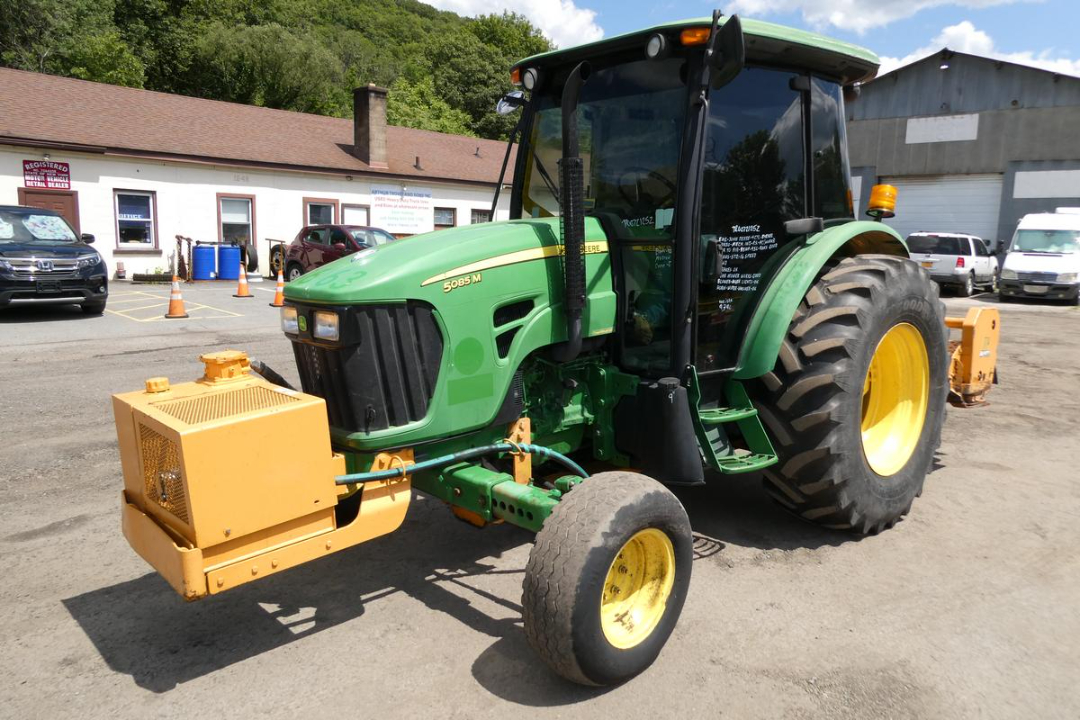
Have used john deere agriculture - tractors trucking equipment to sell? List it here to reach thousands of buyers.
About Used John Deere Agriculture - Tractors
A model in the 80 to 100 HP class, like many utility-oriented John Deere tractors, is a practical fit for rotary cutting, flail mowing, hay work, light tillage, material handling, and general property maintenance. Key specs to compare include engine hours, rear PTO type and horsepower, 3-point hitch category, hydraulic remote count, loader compatibility, and tire setup. Tire choice matters more than many buyers expect. R1 agricultural tires suit field traction, R4 industrial tires hold up better in mixed surface work, and turf tires make sense where ground disturbance is a concern. If roadside mowing or municipal use is part of the plan, look closely at hydraulic pump arrangements, front crank-driven setups, rear remotes, and any existing mower plumbing or lift components.
Cab condition and operator environment matter on a used John Deere tractor, especially if the machine will spend long days on mowing, baling, or seasonal field work. Air conditioning, visibility, seat suspension, and control layout affect productivity more than the spec sheet suggests. On the mechanical side, buyers should inspect cold start behavior, transmission engagement, shuttle response, PTO operation under load, steering play, front axle wear, and hitch lift performance. Service history is important on higher-hour units, particularly for cooling system maintenance, hydraulic service, front axle seals on MFWD machines, and wear items such as clutches, brakes, tie rod ends, and loader pins.
John Deere remains a strong choice in the used tractor market because parts support, dealer familiarity, and attachment compatibility are generally good across many series. The right used tractor comes down to matching the chassis size and hydraulic package to the work rather than buying on engine horsepower alone. A buyer comparing listings should pay close attention to actual implement readiness: PTO speed, drawbar setup, ballast, remote valves, quick attach configuration, and any included mower, loader, or 3-point equipment. Those details usually have more impact on real operating value than paint, model year, or decal package.
Frequently Asked Questions
What should I check first when buying a used John Deere agriculture tractor?
Start with horsepower, PTO horsepower, transmission type, hydraulic capacity, drive configuration, and hitch setup. Those core specs determine if the tractor can run your implements and handle your terrain. After that, review engine hours, cold start performance, PTO engagement, hydraulic function, steering and brake response, tire condition, and any maintenance records. A used tractor that matches your implements correctly is usually a better buy than a larger tractor with the wrong PTO, hitch, or hydraulic package.
Is 2WD or MFWD better on a used John Deere tractor?
MFWD is generally the better choice for loader work, wet ground, hills, and applications where traction matters at lower speeds. It also improves control when operating heavier front-mounted or rear-mounted equipment. A 2WD tractor can still be a cost-effective option for lighter mowing, haying on firm ground, and general farm use where conditions are dry and relatively flat. The tradeoff is that MFWD units usually bring a higher purchase price and require closer inspection of front axle components and seals.
How important is PTO horsepower on a used farm tractor?
PTO horsepower is critical because many agricultural implements are rated by the power available at the PTO rather than engine horsepower. Rotary cutters, flail mowers, balers, augers, and other driven attachments depend on that output to operate correctly under load. If the tractor is being bought for mowing or hay equipment, PTO rating can matter more than the engine number on the hood. Buyers should also confirm PTO speed, typically 540 or 1000 RPM, and make sure it matches the implement.
What features matter most on a utility-size John Deere tractor?
On a utility tractor, the most important features are transmission design, hydraulic remotes, 3-point hitch capacity, PTO configuration, loader compatibility, and tire type. A PowerReverser or shuttle-style transmission is useful for frequent forward-reverse work, especially with a loader. Rear remotes matter for hydraulic mowers, rakes, and other powered attachments. Hitch category, ballast options, and cab versus open station should also be chosen based on the actual jobs the tractor will perform.
Are higher-hour used John Deere tractors still worth considering?
Yes, if the tractor has been maintained properly and shows good mechanical condition. Many John Deere tractors accumulate substantial hours in mowing, hay, and utility work and still deliver dependable service. The key is to judge condition, not just the meter. Look for consistent service history, clean hydraulic operation, solid transmission performance, proper cooling system function, and manageable wear in the front axle, hitch, and PTO systems. A clean, well-kept higher-hour tractor is often a better value than a lower-hour machine with poor maintenance.