
Used Case Agriculture - Tractors For Sale
Browse used Case agriculture tractors for sale, including utility and loader-ready models with diesel power, 3-point hitch, PTO, and 4WD options.
Learn more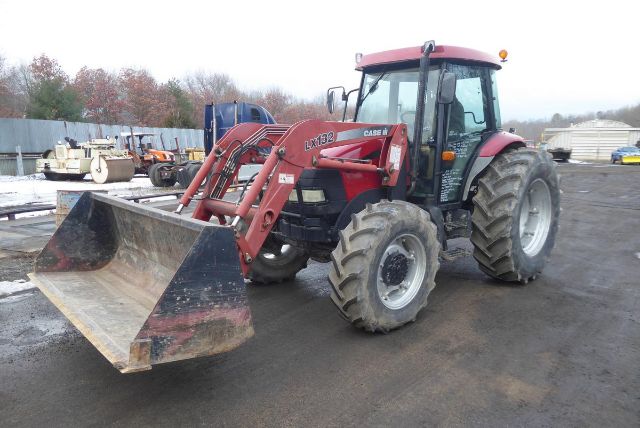
Have used case agriculture - tractors trucking equipment to sell? List it here to reach thousands of buyers.
About Used Case Agriculture - Tractors
A good buying decision starts with matching the tractor’s horsepower, drivetrain, and hydraulic setup to the work. Many used Case agricultural tractors fall into the utility segment, where 2WD or 4WD, mechanical or shuttle transmissions, and open station or cab configurations can significantly affect value and usability. Loader-equipped units deserve extra attention. Check loader model, bucket width, pin wear, cylinder condition, front axle play, and signs of stress around mounting points. If the tractor will run attachments, confirm PTO type and operation, 3-point hitch category, remote hydraulic count, and lift capacity. Tire size and tread depth matter too, especially on 4WD tractors where matched tire ratios are critical for driveline health.
On older used Case tractors, condition often matters more than age alone. Hour meter readings help, but service history, cold-start behavior, blow-by, clutch engagement, transmission shift quality, hydraulic response, and brake performance tell the real story. Buyers should inspect for leaks at axle seals, hydraulic remotes, loader valves, and engine gaskets. Cab tractors should be checked for HVAC function, door and glass condition, and the general state of the interior, since replacement parts can add up quickly. Electrical issues, worn steering components, and neglected cooling systems are common cost areas on used farm tractors that have spent years in loader or chore service.
Case agriculture tractors are also attractive because many models are simple to operate and relatively easy to support in the field. For trucking and transport planning, buyers should verify overall width, operating weight, tire stance, and whether a loader, bucket, ballast, or rear implement is included, since these factors affect trailer selection and legal hauling width. The best unit for a buyer is usually the one with the right PTO and hydraulic configuration, enough weight for traction, and a documented maintenance record that supports reliable daily use.
Frequently Asked Questions
What should I look for first on a used Case agriculture tractor?
Start with the basics that affect reliability and operating cost: engine starting, smoke, blow-by, transmission function, clutch feel, hydraulic performance, steering play, brake response, and any active leaks. On a loader tractor, inspect the loader frame, pins, bushings, cylinders, bucket edge, and front axle closely because loader work accelerates wear. Service records, tire condition, and evidence of regular maintenance usually matter more than model year alone.
Are used Case tractors good for loader work?
Many used Case utility tractors are well-suited for loader applications, especially when equipped with 4WD, power steering, and adequate rear ballast. Buyers should confirm that the loader is properly matched to the tractor, that the hydraulic system responds smoothly under load, and that there is no cracking or fatigue around the mounting points. A tractor that spent most of its life doing heavy loader work may show more wear in the front axle, steering, and clutch than a field-use tractor with similar hours.
How important is 4WD on a used farm tractor?
4WD is a major advantage for loader work, wet ground, slopes, and jobs where traction is limited. It improves push power, stability, and usable performance, particularly on utility tractors that carry front loaders or work in mixed terrain. On the used market, 2WD tractors can still be a practical value for lighter mowing, rake work, or flat-ground applications, but buyers should inspect tire matching and front driveline condition carefully on any 4WD unit.
What attachments and features matter most on a used agricultural tractor?
The most important features depend on the intended work, but buyers usually focus on PTO operation, 3-point hitch category, hydraulic remote count, loader presence, transmission type, and cab versus open station. For hay, mowing, or implement work, PTO reliability and hitch lift capacity are key. For chore tractors, loader performance, shuttle shifting, visibility, and hydraulic response often matter more. Confirming these features before purchase helps avoid paying for a tractor that is under-equipped for the job.
How do I evaluate transport needs for a used Case tractor?
Transport planning should include the tractor’s operating weight, overall width, tire setup, and any installed loader or attachments. A utility tractor with a loader and bucket can be significantly longer and heavier than the base tractor alone, which affects trailer size, tie-down strategy, and towing requirements. Buyers should also check for removable buckets, ballast, duals, or rear implements that may change hauling width or total load weight.