
Used Backhoes For Sale
Shop used backhoes for trenching, loading, utility work, and site maintenance. Compare 2WD and 4WD, cab setups, bucket options, and hours.
Learn moreBrowse Backhoes Trucking Equipment by Make

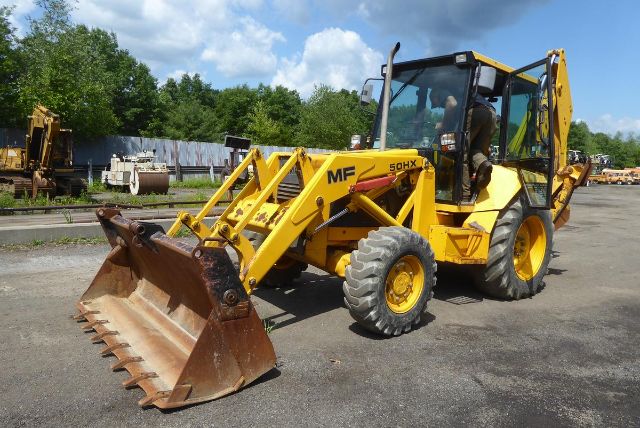
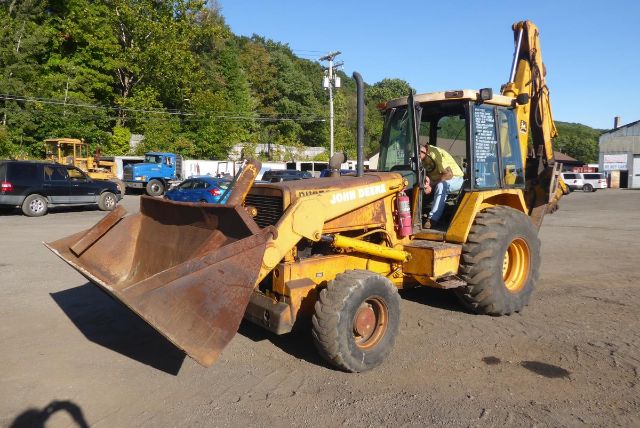
Have used backhoes trucking equipment to sell? List it here to reach thousands of buyers.
About Used Backhoes
A typical used backhoe in this class may range from roughly 70 to 110 horsepower, with operating weights often falling between about 14,000 and 24,000 pounds. Common configurations include 2WD or 4WD, open ROPS or enclosed cab, standard or extendable dipperstick, and manual or pilot controls depending on age and make. Loader buckets may be standard general-purpose buckets or 4-in-1 buckets for added flexibility, while rear digging buckets can vary by width for trenching or ditch work. On many used machines, options like powershift transmission, ride control, auxiliary hydraulics, quick couplers, and multiple rear buckets can add real value if the machine is being used across different job types.
Condition matters more than model year on a used backhoe. Hour meter readings help, but the better buying indicators are pin and bushing wear, boom and dipper movement, cylinder seepage, transmission engagement, brake response, and cold-start behavior. Tire condition is another major cost point, especially on 4WD units with industrial R4 tires. Buyers should also inspect the loader arms, stabilizers, kingpost area, and frame for weld repairs, cracks, or excessive rust. On cab machines, HVAC function, glass condition, and electrical accessories are worth checking because repairs can add up quickly even when the machine runs well.
Backhoes are often chosen when one machine needs to cover several tasks without stepping up to a separate loader and excavator. They fit well in utility work, septic installation, drainage repair, road shoulder maintenance, and property development where travel around the site is part of the job. Larger machines can offer more reach and breakout force, while mid-size units are easier to haul and maneuver in tighter areas. For many buyers, the right used backhoe is the one with a solid service history, tight hydraulics, and the attachment setup that matches the work instead of simply the newest year on the listing.
Frequently Asked Questions
What should I inspect first on a used backhoe?
Start with the hydraulic system, pins and bushings, transmission operation, and structural condition. Excessive play at the loader arms, boom, dipper, or stabilizers can indicate hard use and upcoming repair expense. Check for cylinder leaks, weak hydraulic response, difficult shifting, brake problems, and visible repairs or cracks around the frame, kingpost, and boom mounts. Tire wear and uneven tread can also point to alignment, drivetrain, or maintenance issues.
Is 4WD worth it on a used backhoe?
For many buyers, 4WD is worth the premium because it improves traction in mud, gravel, loose fill, and uneven jobsite conditions. It is especially useful when carrying a loaded front bucket or working on utility, farm, and site-prep jobs where surfaces change throughout the day. A 2WD backhoe can still be effective on firm ground and lighter-duty work, but 4WD generally offers better resale value and broader jobsite capability.
How many hours is a lot for a used backhoe?
Hours should be judged alongside maintenance and wear, not as a stand-alone number. A well-kept backhoe with higher hours can be a better buy than a lower-hour machine with poor hydraulic performance, structural wear, or neglected service. Many older backhoes remain productive well past several thousand hours if the engine, transmission, and hydraulic components have been maintained properly. The key is matching the hour meter reading to the actual condition of the pins, cylinders, driveline, and controls.
What is the benefit of an extendable dipper or Extend-A-Hoe?
An extendable dipper gives the operator more digging reach and depth without moving the machine as often. That can improve productivity in trenching, pipe work, drainage work, and loading from one setup position. It is a valuable feature for utility and excavation applications, but buyers should inspect the wear pads, sliding sections, and hydraulic components closely because added reach also means added wear points.
Are enclosed cab backhoes better than open ROPS machines?
An enclosed cab improves operator comfort, weather protection, and year-round usability, which matters for contractors and municipal fleets running long shifts. Heat and air conditioning can make a real difference in productivity, but cab repairs, broken glass, HVAC issues, and electrical faults can add cost on an older machine. An open ROPS machine is simpler and often easier to maintain, so the better choice depends on climate, usage hours, and budget.