
Used Lifts - Fork For Sale
Browse used fork lifts for sale, including propane and diesel forklifts with common capacity, mast, tire, and side shift options.
Learn moreBrowse Lifts - Fork Trucking Equipment by Make
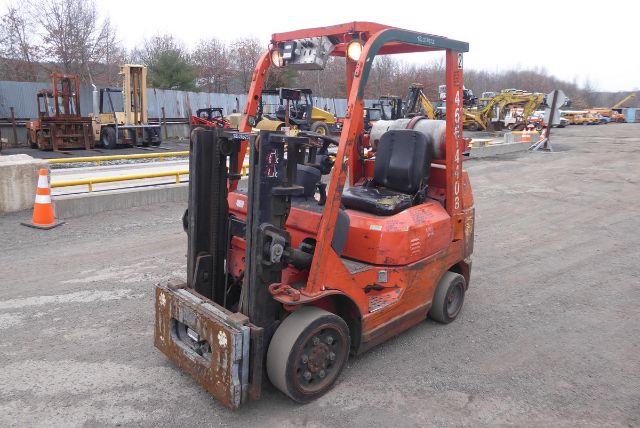
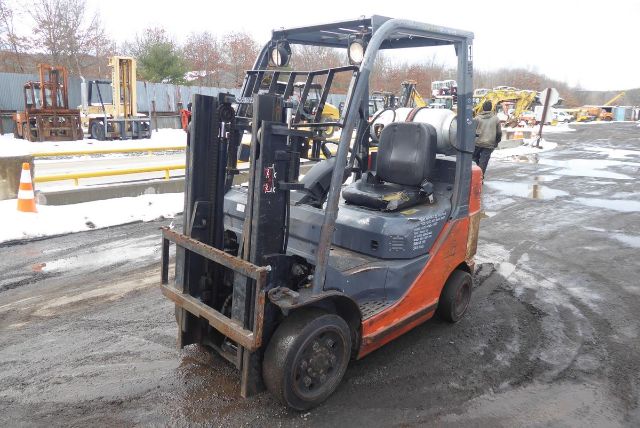
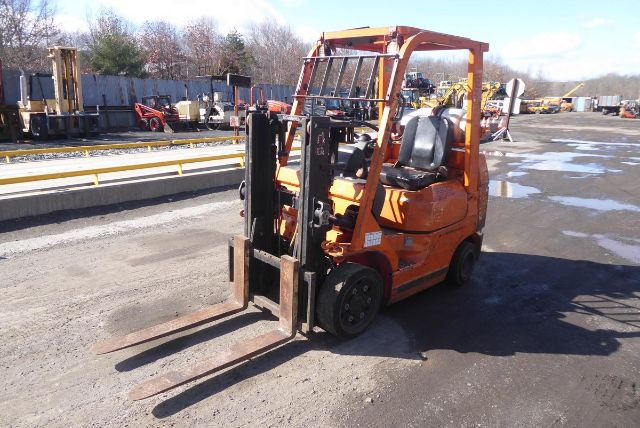
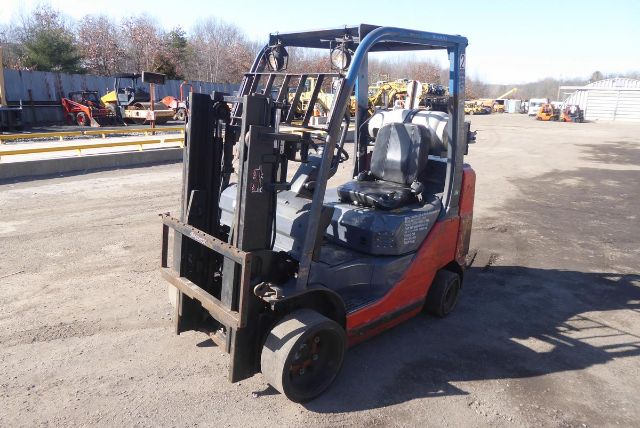
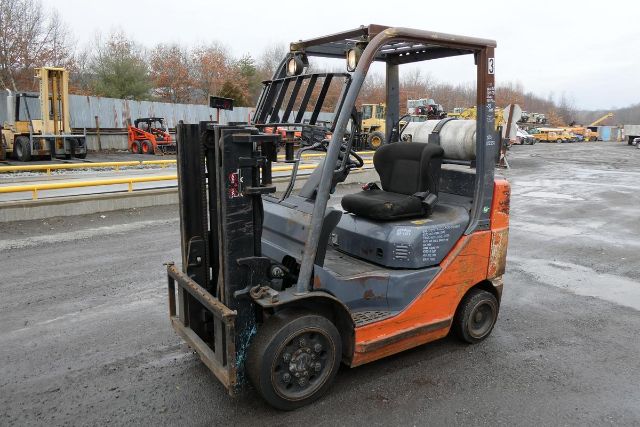
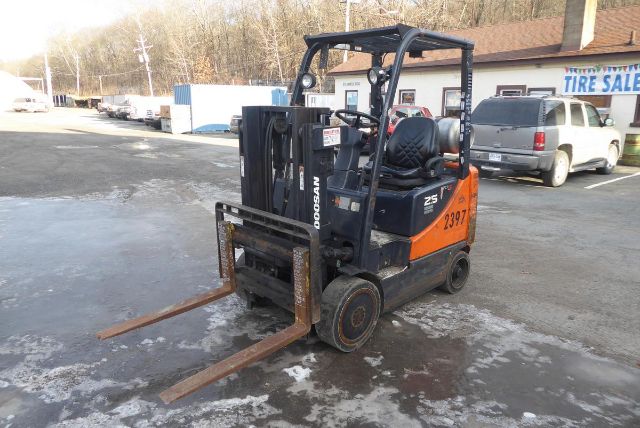
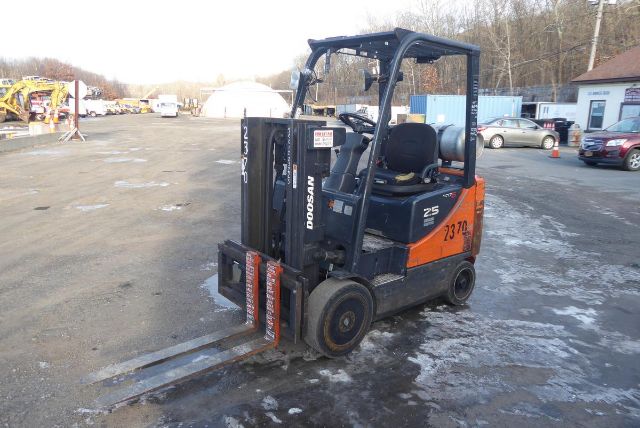
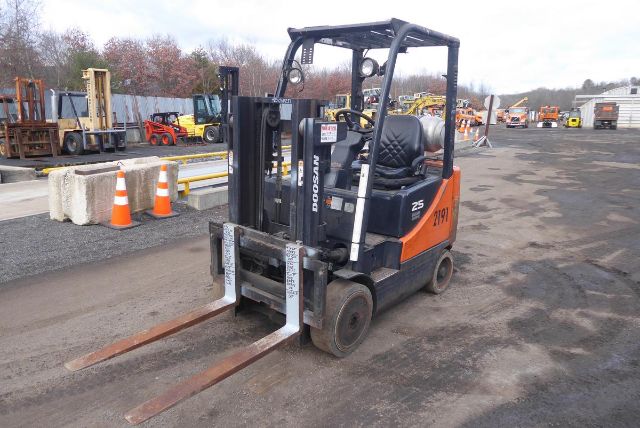
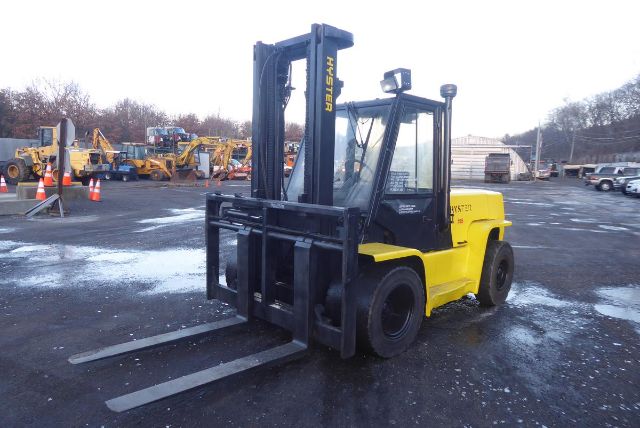
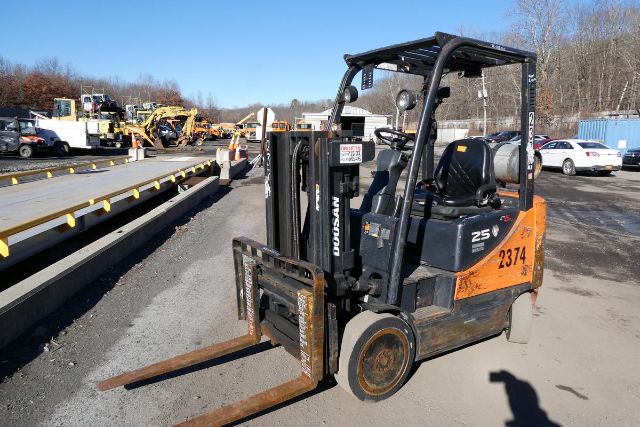
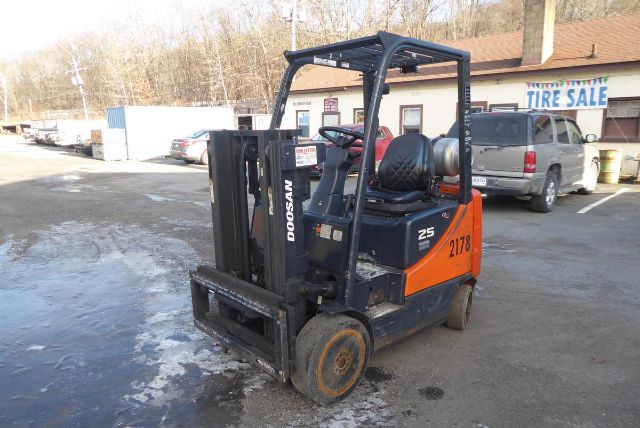
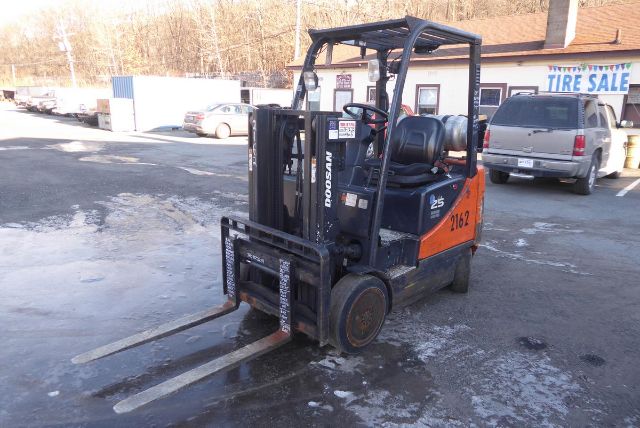
Showing 73 to 84 of 98 results
Have used lifts - fork trucking equipment to sell? List it here to reach thousands of buyers.
About Used Lifts - Fork
One of the first buying decisions is fuel type and operating surface. Many used fork trucks in this class are propane-powered because LPG units are common in indoor and mixed-use applications, offer fast refueling, and are widely supported. Diesel fork lifts are more common in heavier outdoor work and rougher yard conditions, especially on larger pneumatic-tire machines. Cushion tires are best on smooth concrete floors and loading docks, while pneumatic or air-filled tires handle uneven pavement, gravel, and outdoor surfaces better. Buyers should also pay close attention to transmission response, brake condition, steer axle wear, and hydraulic performance, since these directly affect cycle time and safety.
Mast configuration is another major factor. A two-stage, also called a duplex or dual mast, is common on straightforward dock and warehouse handling. Three-stage masts give more lift height with a lower collapsed height, which is useful when overhead clearance is limited. Side shift is one of the most valuable hydraulic options because it speeds pallet alignment and reduces repositioning. Fork length, fork thickness, carriage class, back tilt, lift cylinder condition, and chain wear all deserve close inspection on a used machine. Hour meter readings are useful, but service records, cold-start behavior, mast slack, and evidence of cylinder seepage often tell more about real condition than hours alone.
For trucking-related operations, a used forklift often supports palletized freight, shop parts, crated equipment, and dock transfers rather than over-the-road hauling itself. That makes maneuverability, visibility, and mast height more important than simply chasing the highest lift rating. Buyers comparing listings should match the truck to actual load centers, aisle width, dock plate use, trailer entry, and the heaviest recurring pallet in the workflow. A forklift rated at 5,000 pounds at a 24-inch load center can lose effective capacity with longer forks or unusual loads, so attachment type and real application should always be part of the decision.
Frequently Asked Questions
What capacity forklift is most common in the used market?
Many used fork lifts fall in the 4,000 to 5,000 pound class because that size works well for palletized freight, warehouse handling, and general industrial use. That said, the right capacity depends on load center, fork length, and how high the load must be lifted. A machine that is adequate for standard pallets may be undersized for long loads, heavy crates, or attachments that move the load center farther forward.
What is the difference between cushion-tire and pneumatic-tire forklifts?
Cushion-tire forklifts are designed mainly for smooth indoor surfaces such as warehouse concrete and loading docks. They usually have a tighter turning radius and a lower overall profile, which helps in confined spaces. Pneumatic-tire forklifts are better suited for outdoor yards, rough pavement, and uneven ground because they offer better shock absorption and traction. The choice should match the surface the forklift will actually run on every day.
What should I inspect first on a used forklift?
Start with the mast, chains, lift and tilt cylinders, brakes, steering, and transmission engagement. Check for cylinder seepage, mast play, uneven lifting, chain wear, and delayed hydraulic response. Then review tire condition, carriage wear, fork thickness loss, and any signs of frame damage or poor repairs. A forklift can start and move but still need significant work if the hydraulics, braking system, or mast components are worn.
Is propane or diesel better for a used fork truck?
Propane is often preferred for indoor or mixed indoor-outdoor use because refueling is quick and emissions are generally easier to manage in warehouse environments. Diesel is usually the better choice for heavier outdoor work where durability and torque are priorities. The best option depends on ventilation, fuel availability, application, and the size of loads being handled. Buyers should also consider local emissions requirements and the service support available for the engine platform.
Why does mast height matter on a forklift listing?
Both lowered mast height and maximum lift height are critical. Lowered height determines whether the forklift can enter trailers, pass through doors, or clear low overhead structures. Maximum lift height determines whether it can place loads into racking, onto flatbeds, or onto elevated storage. A forklift with the wrong mast dimensions can be inefficient or unusable even if the engine, capacity, and price look right.