
Used Caterpillar Lifts - Fork For Sale
Browse used Caterpillar fork lifts and fork trucks with diesel or LPG power, lift capacities, mast options, and warehouse-ready specs.
Learn more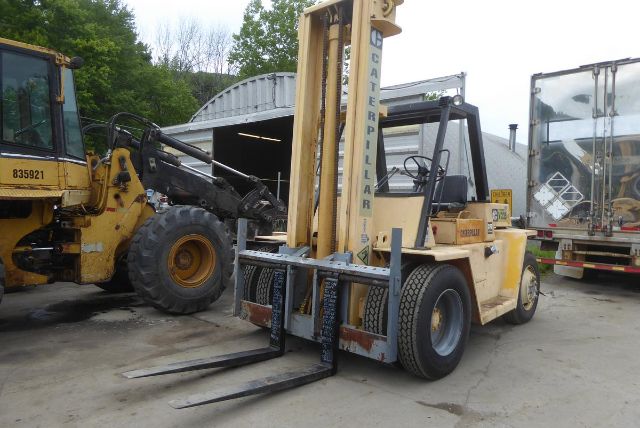
Have used caterpillar lifts - fork trucking equipment to sell? List it here to reach thousands of buyers.
About Used Caterpillar Lifts - Fork
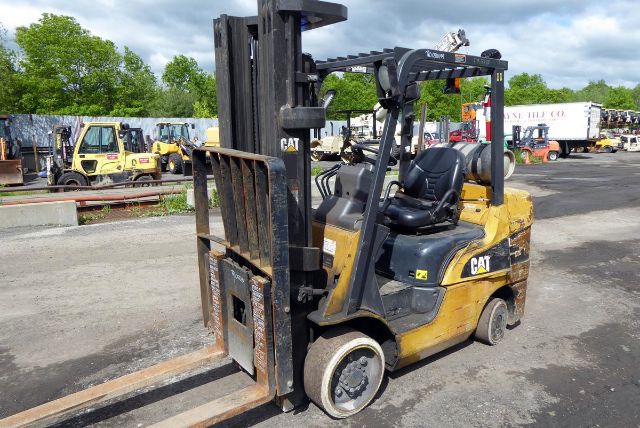
Caterpillar fork lifts are commonly found with capacities from around 5,000 to 7,000 pounds in general material handling, but larger industrial models can go much higher. Triple-stage masts, side shift, fork position flexibility, and back tilt are common features that matter in daily use because they directly affect stacking speed and load control. A buyer comparing used units should look closely at fork length and thickness, carriage condition, mast rail wear, chain condition, tilt cylinder performance, and whether the hydraulic functions are smooth under load. Lift height is only part of the story. Lowered mast height, free lift, turning radius, and service brake response are just as important if the truck will spend time in trailers, under rack systems, or in tight shipping areas.
Powertrain choice should match the jobsite. LPG models are common in mixed indoor-outdoor service because refueling is quick and emissions are generally easier to manage in ventilated buildings. Diesel Caterpillar forklifts are better suited to outdoor yards, lumber operations, steel handling, and other heavier-duty work where torque and runtime matter more than indoor air concerns. On any used fork truck, hour meter readings help frame expected wear, but maintenance history matters more. Pay attention to cold-start behavior, transmission engagement in forward and reverse, steer axle play, mast drift, leaks at hoses and cylinders, and tire condition. Pneumatic tires are preferred on broken pavement, gravel, or rough yards, while cushion tires fit smoother warehouse floors and tighter turning requirements.
Caterpillar has long been a recognized name in industrial equipment, so parts support, technician familiarity, and aftermarket serviceability are often strong points in this category. For buyers sorting through multiple used listings, the smartest comparison is not just brand and price. Compare actual operating weight, fuel type, mast configuration, attachment setup, and the environment the truck was built to handle. A used Caterpillar lift that is correctly matched to aisle width, load center, and duty cycle will usually outperform a cheaper machine that is oversized, under-capacity, or poorly configured for the application.
Frequently Asked Questions
What should I check first when buying a used Caterpillar forklift?
Start with rated capacity, load center, mast type, lowered mast height, and fuel type. Those specs determine if the truck will physically fit the workspace and safely handle the loads. After that, inspect the mast channels, chains, fork heels, carriage, steer axle, brakes, tires, and hydraulic cylinders. A used forklift can look clean and still have expensive wear in the mast, transmission, or hydraulic system, so function under load is more important than cosmetic condition.
Are diesel or propane Caterpillar fork lifts better for used equipment buyers?
It depends on the application. Diesel Caterpillar forklifts are usually the better fit for outdoor work, rough surfaces, and heavier industrial duty cycles because they offer strong torque and long runtime. Propane units are common for warehouse, dock, and mixed indoor-outdoor use because they refuel quickly and are practical in ventilated facilities. The best choice comes down to where the truck will run, local emissions rules, and the type of loads being moved each shift.
What is the difference between pneumatic and cushion tires on a fork truck?
Pneumatic tires are air-filled or solid pneumatic-style tires designed for outdoor use, uneven pavement, and yard conditions where more ground clearance and shock absorption are needed. Cushion tires are lower-profile solid tires intended for smoother indoor floors and tighter turning in warehouses. Tire type affects ride quality, overall truck height, turning radius, and where the forklift can operate effectively, so it should be matched to the facility surface and travel pattern.
Why does mast configuration matter so much on a used forklift?
Mast configuration affects lift height, lowered clearance, free lift, visibility, and stability in the actual work area. A triple-stage mast can provide higher stacking capability while still collapsing to a lower travel height, which is useful for trailers, doorways, and indoor rack systems. Buyers should also consider side shift, tilt function, and how smoothly the mast raises and lowers, since worn rollers, chains, or cylinders can reduce productivity and increase repair costs.
How important are hours on a used Caterpillar lift?
Hours are useful, but they are only one part of the evaluation. A higher-hour truck with regular service, dry cylinders, smooth transmission engagement, and a tight mast can be a better purchase than a lower-hour unit with deferred maintenance. Forklifts often live hard lives in stop-and-go service, so condition, repairs, and evidence of proper upkeep usually tell you more than the hour meter alone.