
Used Clark Lifts - Fork For Sale
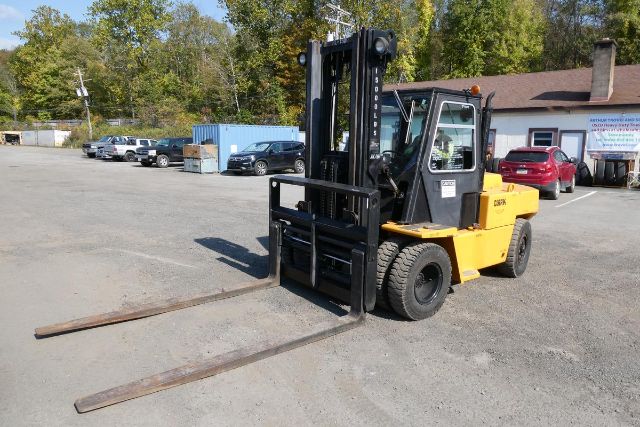
Shop used Clark fork lifts for sale, including diesel warehouse and yard forklifts with varying lift capacities, mast styles, and cab setups.
Learn more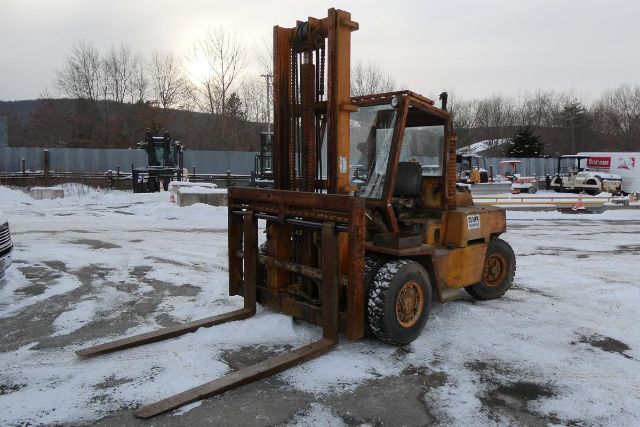
Have used clark lifts - fork trucking equipment to sell? List it here to reach thousands of buyers.
About Used Clark Lifts - Fork
Capacity, mast configuration, and tire type should drive the buying decision first. Many used Clark forklifts in the market fall into mid-size and heavy-duty ranges, including models rated around 9,000 to 15,000 pounds, which puts them into applications like steel, lumber, machinery, concrete products, and pipe handling. A tri-stage or tri-mast setup helps when higher lift height is needed while keeping collapsed height manageable for door clearance. Side shift and hydraulic fork positioners add real productivity if loads vary in width or need precise placement. Fork length, fork thickness, and carriage setup also matter because they affect load center, residual capacity, and the types of pallets or materials the truck can safely handle.
For outdoor use, many Clark forklifts are equipped with pneumatic tires and diesel engines, which are better suited for uneven surfaces, yard travel, and heavier loads. Buyers comparing older used units should pay close attention to transmission behavior, mast wear, steer axle condition, brake performance, hydraulic cylinder seepage, and chain stretch. On higher-capacity forklifts, operating weight and overall dimensions are just as important as rated lift because they affect trailer transport, turning radius, and floor loading. Enclosed cabs can be valuable in cold-weather or all-day yard applications, but visibility, glass condition, heater operation, and door fitment should be checked closely on older machines.
A used Clark fork truck can be a cost-effective choice when the application is clear and the machine's actual condition matches the spec plate. Buyers should verify the data tag, hour meter credibility, mast lowered height, maximum fork height, and any attachments included with the sale. It is also smart to confirm parts support for the specific series, especially on older Clark models, although many remain attractive because of their mechanical simplicity and familiar drivetrain components. For operations that need a rugged forklift rather than a highly specialized warehouse truck, used Clark lifts remain a relevant option in the secondary market.
Frequently Asked Questions
What should I look at first when buying a used Clark fork lift?
Start with rated capacity, mast type, and tire setup because those determine whether the forklift fits the job site and load profile. After that, inspect the mast channels, lift chains, carriage, forks, tilt cylinders, and side shift or fork positioner functions. On older Clark units, buyers should also check engine cold-start behavior, transmission engagement, brake performance, steer axle play, and any hydraulic leaks or cylinder seepage.
Are older used Clark forklifts still a good choice for heavy-duty work?
They can be, especially in applications that value simple mechanical design and strong basic lifting performance. Many older Clark forklifts were built for industrial service and still show up in lumber yards, steel handling, equipment shops, and outdoor loading operations. The key is condition, not just age, because an older machine with a sound mast, strong hydraulics, and a healthy drivetrain can be more dependable than a newer unit with deferred maintenance.
What is the difference between pneumatic and cushion tires on a Clark forklift?
Pneumatic tires are designed for outdoor work and rougher surfaces, making them common on diesel Clark forklifts used in yards and industrial settings. Cushion tires are better suited to smooth concrete floors and tighter indoor warehouse applications because they keep the truck lower and often improve maneuverability. Tire type affects ground clearance, ride quality, and where the forklift can safely operate.
Why do mast height and lowered height matter on a used fork truck?
Maximum lift height determines how high the forklift can place a load, but lowered mast height determines whether the machine can pass through doors, trailers, or low-clearance areas. A tri-stage mast can provide more lift height while keeping the collapsed height lower than some two-stage designs. Buyers should match both measurements to the building, rack system, and loading environment before purchasing.
Do attachments like side shift and fork positioners add value on a used Clark forklift?
Yes, if the application benefits from faster and more precise load handling. Side shift helps operators align loads without repositioning the entire truck, while hydraulic fork positioners make it easier to adjust for different pallet widths or irregular materials. These attachments can improve cycle times and reduce operator effort, but buyers should confirm they function properly and understand that attachments can change the effective load capacity.