
Used Yale Lifts - Fork For Sale
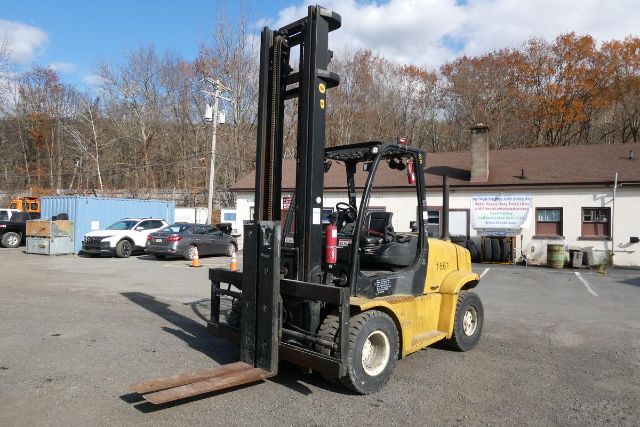
Used Yale fork lifts for sale, including heavy-capacity propane models with mast, side shift, fork positioners, and warehouse or yard handling capability.
Learn more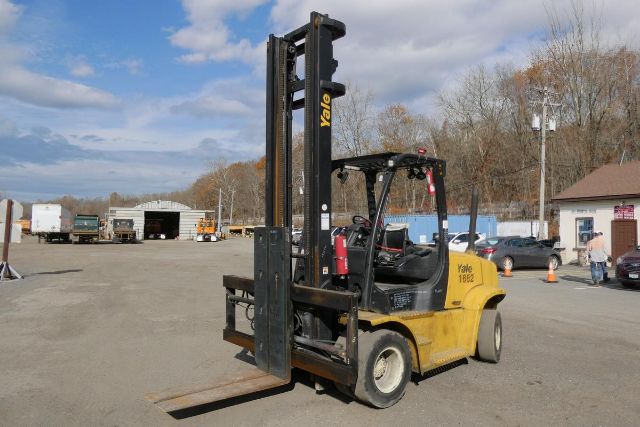
Have used yale lifts - fork trucking equipment to sell? List it here to reach thousands of buyers.
About Used Yale Lifts - Fork
On larger Yale internal combustion forklifts, propane power is common and well suited for fleets that need quick refueling and consistent run time across shifts. Heavy-capacity examples can fall in the 10,000 to 15,000 lb class and above, with operating weights well over 20,000 lbs, so load center matters just as much as the advertised lift rating. A unit rated near 13,900 lbs may not deliver that same capacity once you add hydraulic fork positioners, side shift, longer forks, or a different carriage setup. Buyers should also verify mast type, collapsed height, max lift height, free lift, and overall lowered clearance if the truck will operate under dock doors, inside trailers, or in buildings with limited overhead space.
Used Yale fork truck listings often include practical features that affect daily productivity more than headline specs. Hydraulic side shift speeds trailer loading and pallet placement. Fork positioners help when handling mixed pallet widths or irregular industrial loads. Mast tilt, auto level functions, and double mast or duplex mast configurations can make a meaningful difference in fast cycle environments. Tire type matters too. Solid rubber or cushion-style setups are common on hard, smooth surfaces, while pneumatic tires are better suited for broken pavement, gravel, or outdoor storage yards. Buyers should also check hour meter readings, steer axle wear, mast rollers, lift chains, carriage play, hydraulic leaks, transmission response, and brake performance, especially on older high-hour units.
A used Yale forklift is often a strong fit when the job calls for dependable lift truck performance without stepping into the cost of a new machine. The best value comes from matching the truck to the load, the ground conditions, and the attachment package rather than buying on rated capacity alone. Review fork length and thickness, carriage class, fuel system condition, and any telematics or onboard diagnostics that may still be active. For trucking and industrial support operations, Yale fork lifts remain a practical choice for loading steel, crated freight, machinery, palletized product, and other dense materials where durability and predictable handling matter more than cosmetic condition.
Frequently Asked Questions
What should I check first on a used Yale fork lift?
Start with rated capacity, load center, mast configuration, and actual lift height because those specs determine whether the truck can safely handle your material. After that, inspect hours, mast rollers, lift chains, hydraulic cylinders, carriage wear, transmission engagement, brakes, steering response, and tire condition. On propane units, confirm the engine starts cleanly, idles correctly, and does not show signs of fuel system or regulator issues.
How important are side shift and fork positioners on a Yale forklift?
They are very important if the truck will load trailers, handle mixed pallet sizes, or move product that is not perfectly aligned. Side shift reduces repositioning time and helps operators place loads accurately. Fork positioners improve flexibility, but buyers should remember that attachments add weight and can reduce effective lifting capacity compared with the base truck rating.
Is a propane Yale forklift a good choice for fleet use?
A propane Yale forklift is often a good fleet choice because refueling is fast, run time is predictable, and the trucks are well suited for multi-shift operations. Propane units are common in indoor-outdoor service where electric charging downtime is not ideal. The key is to confirm the fuel system is in good order and that the operating environment allows the emissions profile of an internal combustion truck.
How do I know if a used Yale forklift is sized correctly for my operation?
Match the truck to your heaviest regular load, not your average load, and factor in the true load center, fork length, and any attachment weight. Also measure aisle width, door clearance, trailer height, floor conditions, and rack or stacking height. A truck that is oversized can be inefficient in tight spaces, while an undersized truck creates safety and productivity problems.
What are common applications for heavy-capacity Yale fork trucks?
Heavy-capacity Yale fork trucks are commonly used in steel service centers, machinery moving, industrial plants, building material handling, pipe yards, and freight loading support. They are a practical fit for dense or bulky loads that exceed the range of standard warehouse forklifts. Buyers in these applications should pay close attention to mast visibility, attachment setup, turning radius, and the condition of high-load components.