
Used Kalmar Lifts - Fork For Sale
Browse used Kalmar fork lifts built for heavy-duty material handling, container yards, mills, ports, and industrial loading applications.
Learn more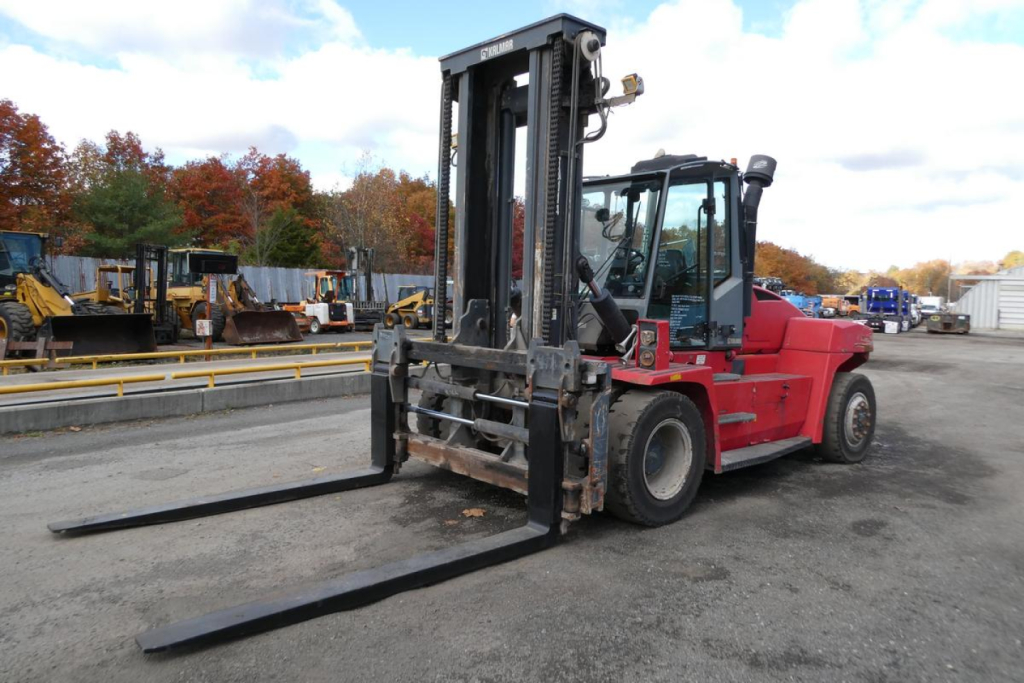
Have used kalmar lifts - fork trucking equipment to sell? List it here to reach thousands of buyers.
About Used Kalmar Lifts - Fork
Capacity is the first buying decision. Many used Kalmar fork trucks in this class are configured for loads far above typical warehouse units, with common applications ranging from bundled steel and pipe to machinery, block, lumber packs, and loaded containers in specialized setups. Mast type, lift height, fork length, and attachment package all affect real-world performance. A buyer should verify rated capacity at the actual load center, not just the headline number on the data plate. Features like hydraulic side shift, fork positioners, enclosed cabs, and high-visibility mast arrangements can make a major difference in productivity and operator control.
Powertrain and operating environment are equally important on a used Kalmar lift. Diesel engines are common in this segment, often paired with automatic or powershift-style transmissions for yard and plant work. Pneumatic or solid tires are selected based on surface conditions, puncture risk, and ride quality. On a used unit, pay close attention to mast and carriage wear, steer axle play, lift chain condition, hydraulic leaks, brake performance, cooling system health, and hour-meter history. Cab condition, HVAC function, visibility, and ease of service also matter because these machines are often run for long shifts in demanding weather and dusty environments.
Kalmar fork lifts are often chosen by buyers who need a rugged industrial machine with strong parts support and proven use in severe-service applications. The best unit for the job depends on load profile, ground conditions, trailer loading height, indoor versus outdoor use, and how often attachments are changed. If the lift will handle long or uneven loads, fork spacing range and carriage setup deserve close review. If it will run in a yard all day, tire type, fuel consumption, cooling capacity, and operator comfort become just as important as maximum lift rating.
Frequently Asked Questions
What are used Kalmar fork lifts typically used for?
Used Kalmar fork lifts are commonly used in ports, rail yards, lumber mills, steel service centers, concrete plants, and heavy industrial facilities. They are designed for handling large, dense, or awkward loads that exceed the capability of standard warehouse forklifts. Common tasks include loading flatbeds, moving bundled materials, handling machinery, and supporting outdoor yard operations on uneven surfaces.
What should I inspect first on a used Kalmar forklift?
Start with the mast, carriage, forks, and hydraulics because these components directly affect lifting safety and performance. Check for chain wear, mast rail damage, fork heel wear, carriage looseness, and hydraulic cylinder leaks. After that, review engine condition, transmission operation, steer axle wear, brake response, cooling system performance, and any signs of structural cracking or heavy repair in the frame and counterweight area.
How important is rated capacity on a Kalmar fork truck?
Rated capacity is critical, but the key number is capacity at the actual load center and lift height required for your application. A heavy forklift may carry a strong headline rating, yet usable capacity can drop when handling long loads, elevated picks, or attachments such as fork positioners. Always compare the data plate rating to the real dimensions and weight distribution of the material you plan to move.
Are Kalmar fork lifts better suited for indoor or outdoor use?
Most heavy-duty Kalmar fork lifts in this category are better suited for outdoor or mixed-environment use. They are commonly equipped with diesel power, larger frames, and pneumatic or solid tires for yard, plant, and terminal surfaces. Some units can work indoors in large industrial buildings with the right ventilation and space, but they are generally selected for rugged outdoor material handling rather than tight warehouse aisles.
Which options add the most value on a used Kalmar lift?
The most valuable options depend on the load and worksite, but hydraulic side shift, fork positioners, enclosed cabs, working air conditioning, and proper tire setup are consistently useful. Side shift and fork positioners improve loading speed and reduce repositioning time. An enclosed cab helps in cold, wet, or dusty conditions, while the right tire type improves uptime and stability on the surfaces where the machine will actually operate.