
Used Master Craft Lifts - Fork For Sale
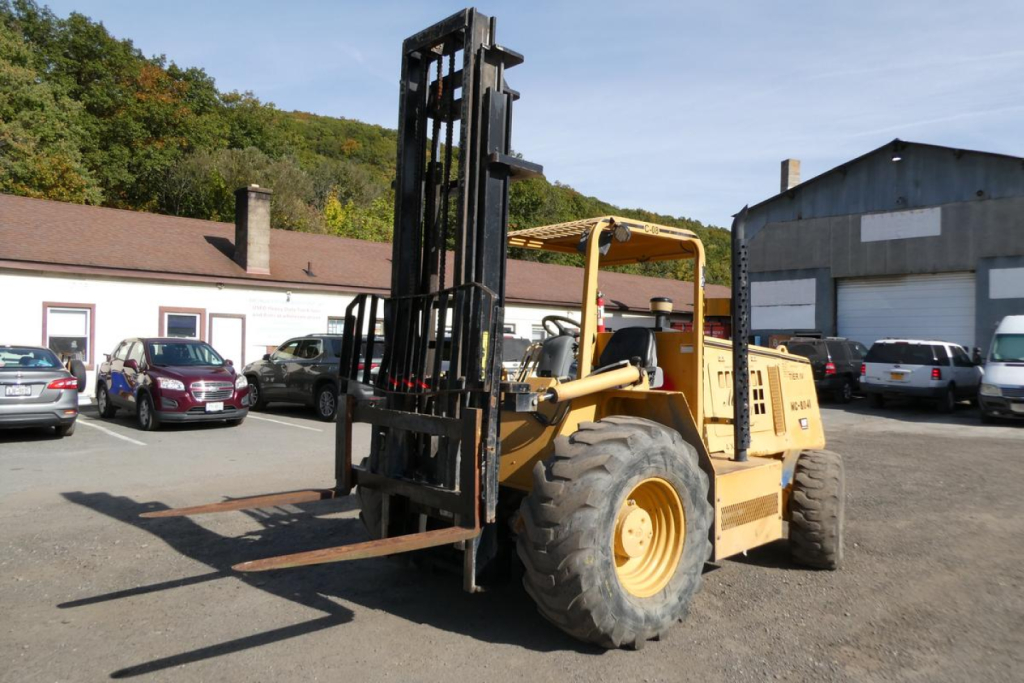
Used Master Craft fork lifts for sale, including rough terrain models with diesel power, 4WD, side shift, and 6,000 to 8,000 lb capacity.
Learn more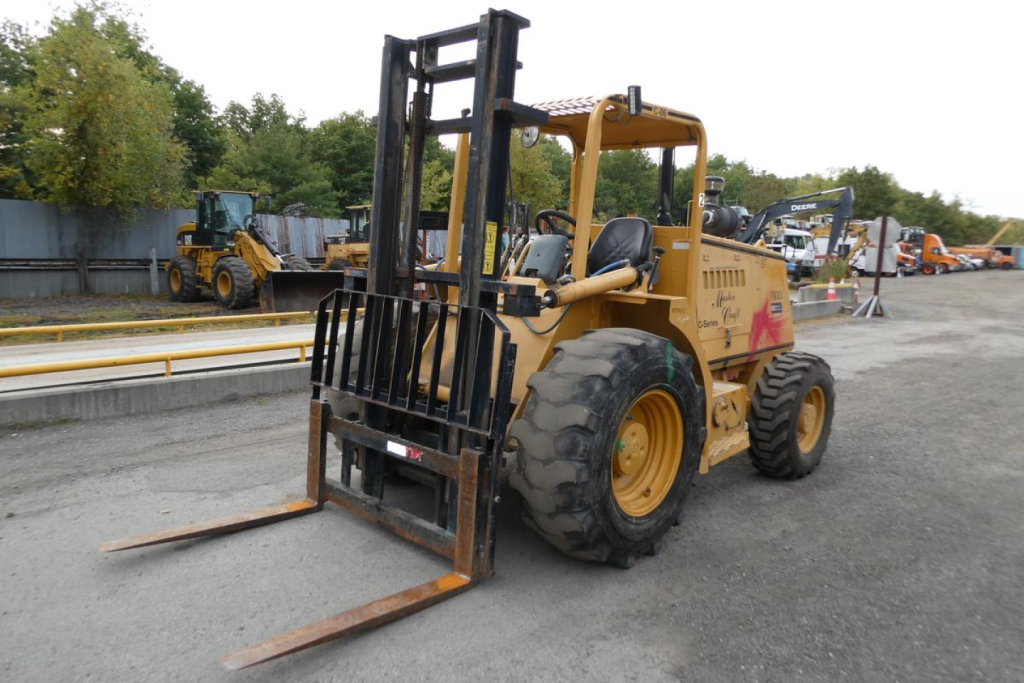
Have used master craft lifts - fork trucking equipment to sell? List it here to reach thousands of buyers.
About Used Master Craft Lifts - Fork
A key buying decision is capacity and lift height. Sample units in this category show 6,000 lb to 8,000 lb ratings, with mast configurations that can include dual mast or tri mast setups and loading heights ranging from standard yard loading to much higher trailer or stack access. Hydraulic side shift is a valuable feature because it speeds up fork placement and reduces repositioning time when loading pallets, pipe, bundled material, or jobsite supplies. Fork dimensions, carriage condition, backtilt, and mast wear should all be checked closely, especially on used machines that have spent time on uneven ground.
Powertrain and chassis specs are just as important as the mast. Many used Master Craft fork lifts are equipped with Caterpillar diesel engines, powershift transmissions, power steering, and air-filled rough terrain tires. That combination is well suited for gravel lots, laydown yards, farms, and construction sites where a conventional cushion-tire forklift would struggle. Buyers should pay close attention to hour meter readings, steering response, axle condition, pin and bushing wear, cylinder leaks, and brake performance. On emissions-era diesel models, it also makes sense to confirm DEF system operation and service history.
Cab layout and overall machine dimensions can affect daily usability more than buyers expect. Open cab configurations are common and can be practical for warm-weather or intermittent use, but visibility, operator access, and weather exposure should be considered. Width, overall length without forks, mast lowered height, and machine weight all matter if the forklift will be hauled between locations or used in confined yards. For many operations, a used Master Craft rough terrain fork lift offers a practical middle ground between a warehouse forklift and a telehandler, especially when the job calls for dependable straight-mast lifting, simple controls, and solid outdoor performance.
Frequently Asked Questions
What are used Master Craft fork lifts typically used for?
Used Master Craft fork lifts are typically used for outdoor material handling on construction sites, equipment yards, lumber operations, farms, and industrial properties. Many are rough terrain forklifts designed to move palletized materials, bundled products, and heavy supplies over gravel, dirt, or uneven ground. They are best suited for jobs that need stronger off-road capability than a warehouse forklift but do not require the reach of a telehandler.
What capacity range should I expect in this category?
In this category, buyers will often see used Master Craft fork lifts in the 6,000 lb to 8,000 lb range, though exact ratings vary by model and mast setup. Capacity should always be evaluated together with load center, fork length, attachment weight, and maximum lift height. A machine rated for a certain weight at ground level may have a lower effective capacity at full lift or with non-standard attachments installed.
What should I inspect on a used rough terrain fork lift before buying?
The most important inspection points are mast wear, fork condition, carriage play, hydraulic leaks, steering response, brake function, tire condition, and driveline performance. On rough terrain units, check kingpins, bushings, axle articulation points, and frame integrity because these machines often work on uneven surfaces. Engine blow-by, cold start behavior, transmission engagement, and hour meter consistency also help indicate how the forklift has been maintained.
How is a rough terrain fork lift different from a telehandler?
A rough terrain fork lift is generally a straight-mast machine built for lifting and transporting material with strong stability and simple operation. A telehandler uses a boom to provide forward reach and higher placement capability, but it is usually more complex and often more expensive to maintain. If the job mainly involves loading trucks, moving pallets, and handling material around a yard, a rough terrain fork lift is often the more efficient choice.
Do cab style and machine dimensions matter when comparing listings?
Cab style and dimensions matter because they affect transport, operator comfort, and site access. An open cab may be adequate for seasonal or occasional use, but enclosed options can improve productivity in poor weather. Overall width, mast lowered height, and transport weight are especially important if the forklift must fit on a trailer, clear overhead obstacles, or work in tighter yard layouts.