
Used Taylor Lifts - Fork For Sale
Browse used Taylor fork lifts built for heavy-duty material handling, with high-capacity specs, industrial masts, and rugged yard performance.
Learn more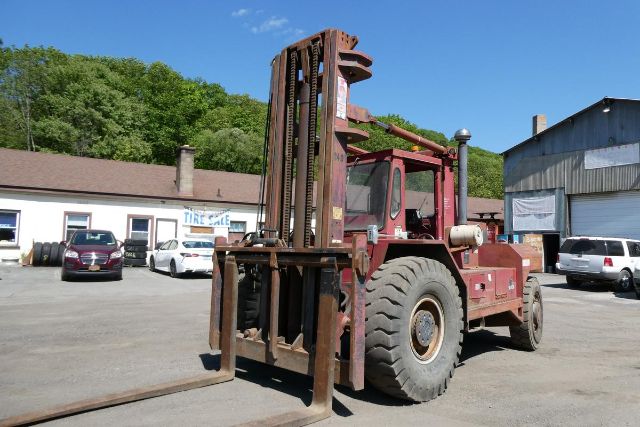
Have used taylor lifts - fork trucking equipment to sell? List it here to reach thousands of buyers.
About Used Taylor Lifts - Fork
Capacity is the first buying decision with a Taylor fork truck. Many units in this class are designed to handle loads far above conventional forklifts, and actual safe lifting ability depends on the load center, mast configuration, attachment weight, and lift height. Buyers should look closely at rated capacity plates, fork dimensions, carriage width, side shift function, and mast height in both lowered and raised positions. On larger Taylor lifts, overall machine weight, turning radius, and transport dimensions also matter, especially if the truck will work in tight yards or be moved between jobsites.
Powertrain and serviceability are major considerations on a used Taylor lift. Older machines commonly use diesel industrial engines, simple automatic or powershift transmissions, and heavy steer axles designed for rough outdoor surfaces. Pneumatic tires are common on yard and industrial applications where uneven ground, gravel, and debris are part of daily operation. Hydraulic condition is especially important on a used high-capacity fork lift, so buyers should pay attention to mast rollers, chains, cylinder seepage, brake performance, steering response, and any signs of frame or mast repairs. Parts support, engine model, and ease of sourcing wear items can make a big difference in long-term ownership cost.
Taylor fork lifts are often chosen because they are purpose-built for demanding duty cycles, not light warehouse use. If the application involves loading flatbeds, unloading heavy pipe or steel, handling oversized crates, or feeding production equipment outdoors, this category offers the mass and stability to do that work safely. The best match comes from balancing lift capacity, fork length, mast height, operating weight, tire type, and attachment setup against the material being handled and the conditions under the truck’s drive tires every day.
Frequently Asked Questions
What are Taylor fork lifts commonly used for?
Taylor fork lifts are commonly used in heavy industrial and outdoor material handling applications such as lumber yards, steel yards, ports, pipe handling, machinery moving, and truck loading. They are especially well suited for jobs that require higher lift capacities, longer forks, and more durable chassis components than a standard warehouse forklift can provide.
What should I check first on a used Taylor fork truck?
Start with the data plate and confirm rated capacity, load center, mast type, and attachment configuration. After that, inspect the mast, chains, carriage, forks, hydraulic cylinders, transmission operation, brake system, steering components, tires, and any signs of structural welding or repair. On a high-capacity unit, overall condition and maintenance history matter as much as hour reading.
Are Taylor fork lifts good for rough outdoor yards?
Yes. Many Taylor fork lifts are built specifically for outdoor industrial yards where gravel, uneven pavement, mud, and heavy loads are part of normal operation. Machines in this category often use pneumatic tires, robust axles, strong counterweights, and heavy-duty masts that make them better suited for rougher surfaces than cushion-tire warehouse forklifts.
How important is fork length on a large-capacity Taylor lift?
Fork length is very important because it affects load support, balance, and how the truck handles long or bulky material. Buyers handling pipe, lumber packs, steel bundles, or large crates should match fork length and thickness to the typical load dimensions and weight. Forks that are too short can reduce stability, while forks that are too long may limit maneuverability in tighter yards.
Do older Taylor fork lifts still make sense to buy?
Older Taylor fork lifts can still be a practical choice when the machine is mechanically sound and matched to the application. Many older units are valued for straightforward drivetrains, rugged construction, and strong lifting capability. The key is verifying parts availability, engine support, hydraulic condition, and structural integrity before putting the truck into regular service.