
Used Mitsubishi Lifts - Fork For Sale
Used Mitsubishi fork lifts for sale, including LPG cushion-tire warehouse models with 5,000 lb capacity, side shift, and low-hour options.
Learn more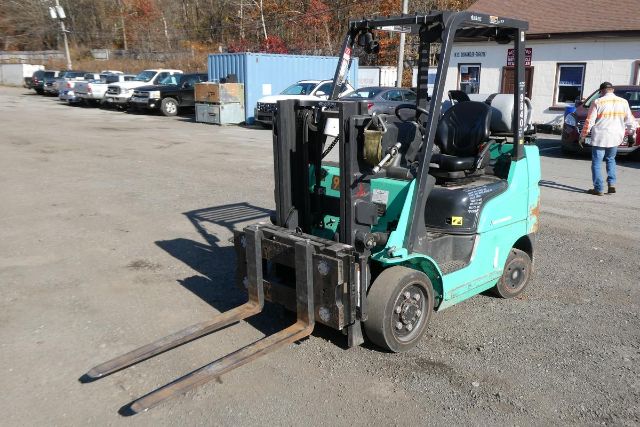
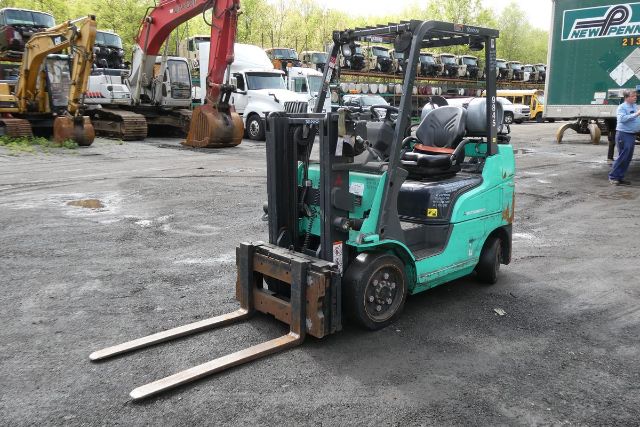
Have used mitsubishi lifts - fork trucking equipment to sell? List it here to reach thousands of buyers.
About Used Mitsubishi Lifts - Fork
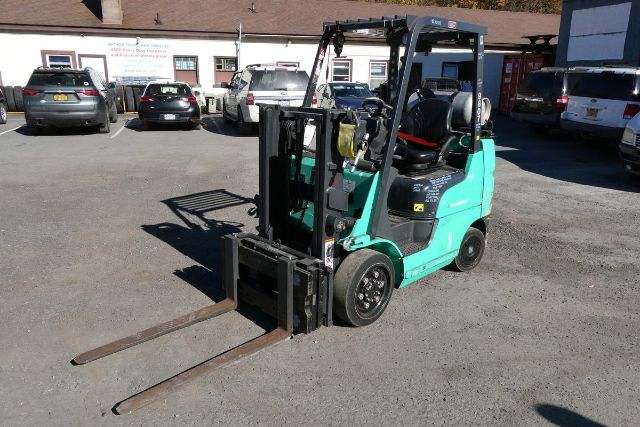
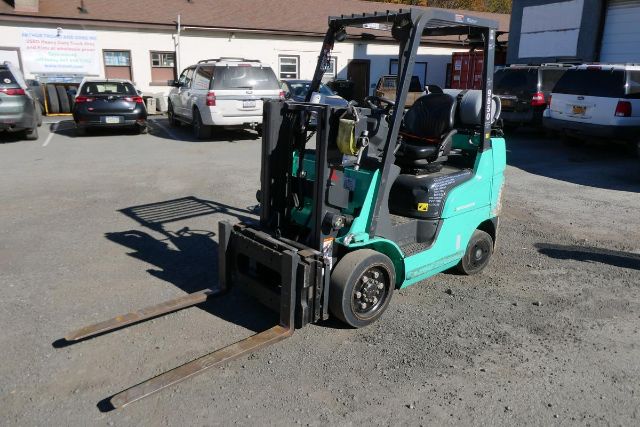
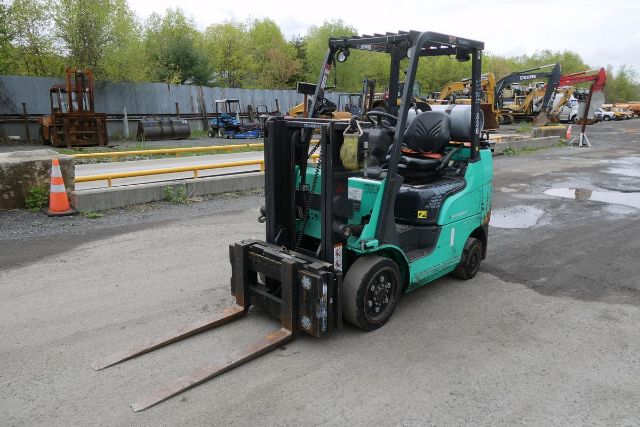
A buyer should pay close attention to fuel type, mast configuration, and attachment setup before comparing hour meters. Many Mitsubishi internal combustion forklifts in this size range use LPG or dual-fuel-ready propane systems with automatic directional control, making them practical for multi-shift indoor use when properly maintained. Dual-stage masts, hydraulic side shift, and backtilt are desirable features because they improve pallet entry, trailer loading precision, and rack work efficiency. Fork length, lowered mast height, overall width, and loading height are also critical if the truck will operate inside vans, containers, or low-clearance warehouse aisles.
On used Mitsubishi fork trucks, condition checks should focus on mast wear, carriage slack, lift chains, hydraulic cylinder seepage, steer axle play, brake response, and transmission engagement from forward to reverse. Solid cushion tires are typical on warehouse units and can lower maintenance, but tire wear still affects stability and ride quality under load. Hour readings help frame expected wear, but service history matters more than the number alone. A clean-running engine, dry hydraulics, smooth lift and tilt function, and even fork wear usually tell more about a used fork lift than cosmetics.
Mitsubishi forklifts have long been valued for straightforward controls, parts support, and dependable performance in light-to-medium duty material handling. For most buyers, the right decision comes down to matching the truck to the floor surface, load center, aisle width, and lift height required in the actual application. A 5,000 lb Mitsubishi fork lift may sound standard on paper, but attachment choice, mast height, and tire type can change real-world capacity and usability significantly. Comparing those specs first will usually lead to a better purchase than shopping by year alone.
Frequently Asked Questions
What are Mitsubishi fork lifts commonly used for?
Mitsubishi fork lifts are commonly used for warehouse handling, dock loading, manufacturing support, and general pallet movement. Cushion-tire models are especially well suited for indoor use on smooth concrete, where tight turning radius and predictable handling are important. In the 5,000 lb class, they are often used to move standard palletized freight, boxed inventory, and packaged materials in routine shipping and receiving operations.
What should I inspect first on a used Mitsubishi forklift?
Start with the mast, hydraulics, and drivetrain. Check for chain wear, carriage looseness, fork heel wear, and cylinder leaks or seepage. Then verify smooth lift, tilt, and side shift operation under load if possible. Transmission response from forward to reverse, steering play, brake feel, and tire condition are also important because these directly affect safety and productivity. Hour meter readings are useful, but maintenance history and overall operating condition are more reliable indicators of value.
Is a cushion-tire Mitsubishi forklift good for outdoor use?
A cushion-tire Mitsubishi forklift can handle limited outdoor work on paved, even surfaces, but it is primarily designed for indoor applications. Cushion tires ride lower to the ground and typically provide better maneuverability in warehouses, but they do not perform as well on rough pavement, gravel, broken asphalt, or uneven yards. If the forklift will spend much of its time outside, a pneumatic-tire unit is usually the better choice.
How much can a Mitsubishi FGC25N lift?
The Mitsubishi FGC25N is commonly rated at 5,000 pounds, but actual safe lifting capacity depends on load center, mast height, and any installed attachment. Side shifts, longer forks, clamps, and other attachments can reduce effective capacity. Buyers should always confirm the data plate on the truck and match it to the intended load type, especially if the forklift will handle tall pallets, non-standard loads, or rack storage at height.
Why does mast height matter when buying a used forklift?
Mast height affects both where the forklift can work and what doors or trailers it can enter. The lowered mast height must clear building openings, trailer interiors, and container doors, while the maximum lift height must match your storage racks or stacking requirements. A forklift with the right capacity but the wrong mast can create daily clearance problems or limit usable storage space, so mast configuration should be checked as carefully as engine and tire type.