
Used Komatsu Lifts - Fork For Sale
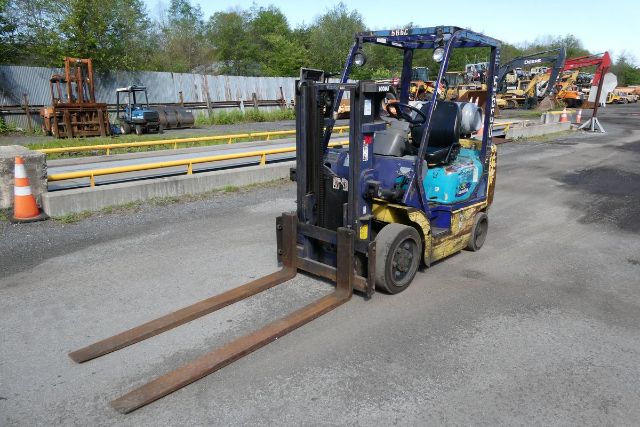
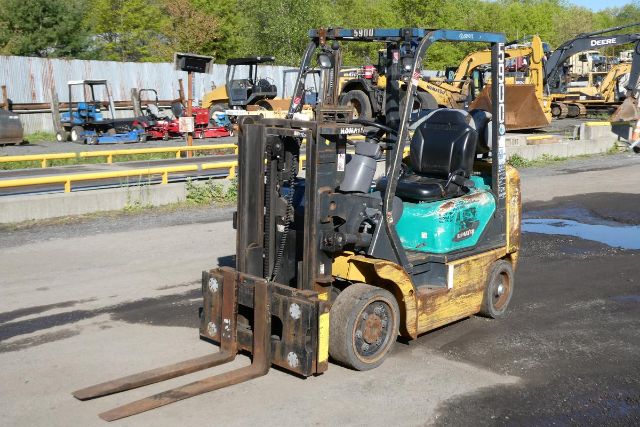
Used Komatsu fork lifts for sale, including warehouse and yard units with common 4,000 lb capacity, propane power, dual masts, and compact dimensions.
Learn more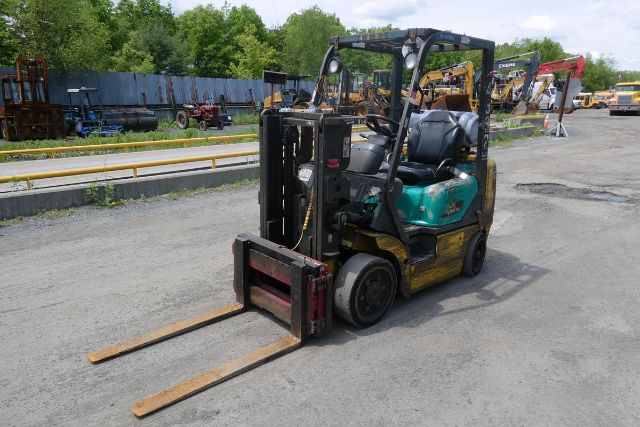
Have used komatsu lifts - fork trucking equipment to sell? List it here to reach thousands of buyers.
About Used Komatsu Lifts - Fork
On many used Komatsu lifts in this range, common specs include a dual-stage mast, open operator station, automatic directional transmission, and compact overall width in the mid-40-inch range. Overall height is often low enough for indoor clearance concerns, while truck weight typically lands around the 7,500-lb class. Fork length, side profile, mast collapsed height, and back tilt angle all matter when matching a lift to racking, trailer loading, or dock work. Buyers should also pay close attention to whether the unit has cushion tires for smooth indoor floors or pneumatic tires for mixed yard and warehouse use.
Powertrain and serviceability are major decision points on a used Komatsu forklift. Many older units use proven Nissan industrial engines in LP configurations, which remain popular because propane forklifts refuel quickly, run clean in ventilated indoor settings, and are familiar to most technicians. On a higher-hour machine, inspect cold starting, transmission engagement, mast lift speed, chain wear, carriage play, steer axle looseness, and hydraulic cylinder seepage. Mast rails, fork heels, overhead guard condition, hour meter credibility, and brake response tell you a lot about how the lift was used and maintained.
For trucking-related applications, a used Komatsu fork truck can be a cost-effective support unit for loading docks, warehouse transfers, pallet staging, and short-cycle freight handling. The right machine depends on aisle width, load center, lift height, and floor conditions more than brand name alone. A buyer comparing listings should focus on actual rated capacity, mast type, fuel system, tire configuration, fork dimensions, and service history. Those details determine how well the forklift will handle your freight, fit your building, and stay productive without excessive downtime.
Frequently Asked Questions
What capacity is common on used Komatsu fork lifts in this class?
A common capacity in this category is around 4,000 lbs, which fits a wide range of palletized freight and general warehouse material handling. That rating is usually based on a specific load center, so buyers should confirm the data plate and compare the rated capacity to the actual load size, attachment setup, and required lift height.
Is propane a good fuel choice for a used Komatsu forklift?
Propane is a common and practical choice for used Komatsu forklifts because it allows fast refueling, consistent runtime, and cleaner operation than gasoline or diesel in many indoor or mixed-use settings. It is still important to verify engine condition, regulator performance, fuel system integrity, and local ventilation requirements before putting an LP unit into regular service.
What should I inspect first on a used Komatsu fork truck?
Start with the mast, hydraulics, forks, brakes, steering, and transmission engagement. Then check hour meter consistency, engine starting behavior, lift and tilt function under load, chain condition, carriage wear, tire type and condition, and signs of leaks around cylinders, hoses, and seals. A forklift that feels tight and responsive in these areas is usually a better indicator of value than cosmetic appearance alone.
How do I choose between cushion tires and pneumatic tires on a forklift?
Cushion tires are typically better for smooth indoor floors, tight aisles, and dock environments where a compact turning radius is important. Pneumatic tires are better suited for rougher surfaces, outdoor yards, and mixed terrain. The tire type affects stability, ride quality, turning performance, and where the forklift can work effectively.
Why does mast height matter when buying a used forklift?
Mast height matters because the collapsed height determines if the forklift can clear doorways, trailers, and low overhead obstacles, while the maximum lift height determines if it can reach your racking or stacking requirement. Buyers should also consider mast type, free lift, and tilt angles because those factors directly affect trailer loading, warehouse use, and load control.