
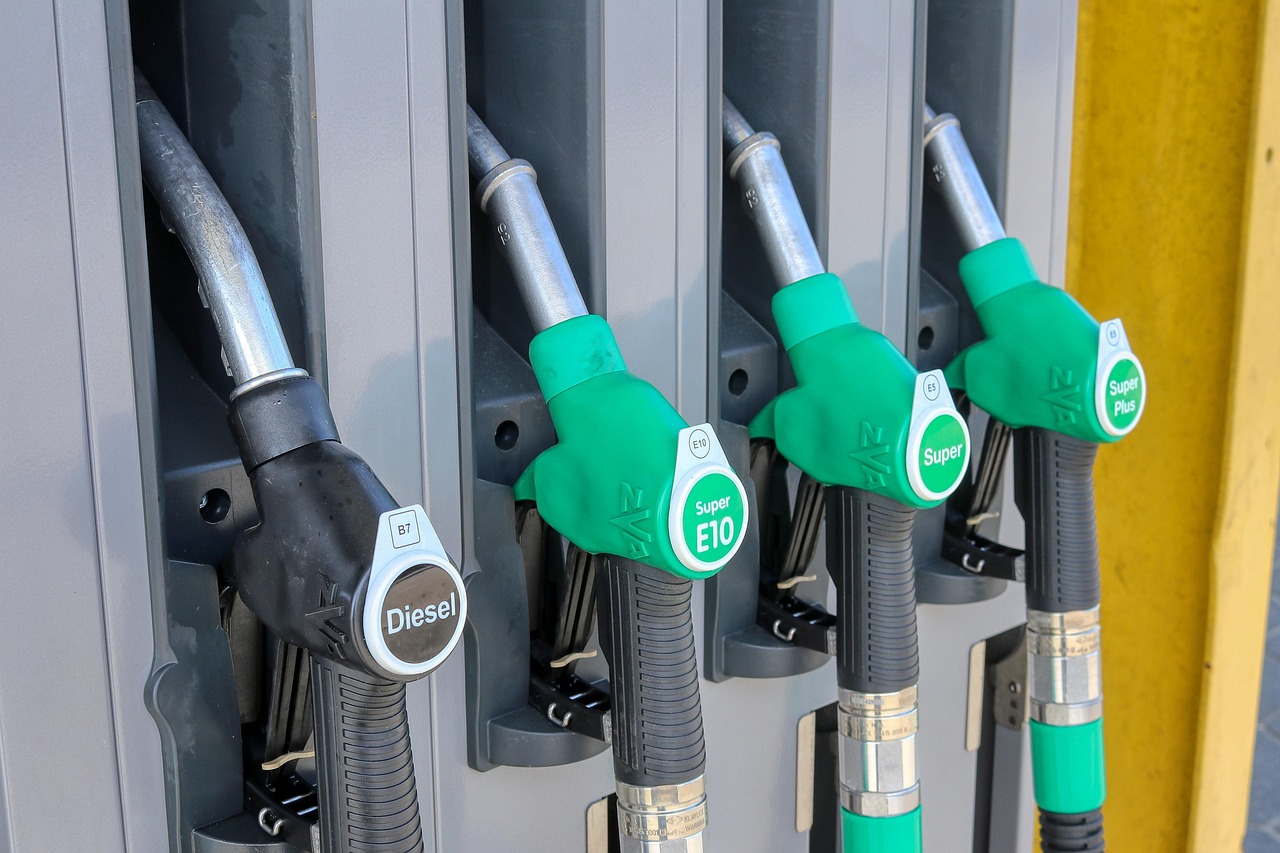
Fuel costs can make or break your bottom line. Whether you're an owner-operator watching every gallon or a company driver trying to hit efficiency targets, the habits that save fuel aren't complicated, but they require consistency. The drivers who come out ahead are the ones who treat fuel management as a daily discipline, not an afterthought.
Here are the most impactful strategies seasoned truckers rely on to stretch every gallon.
1. Manage your speed: the single biggest lever
Aerodynamic drag increases exponentially with speed. Dropping from 70 mph to 65 mph can improve fuel economy by 5–7%, and going from 65 to 60 mph yields another meaningful gain. On a long haul, that differential adds up to real money. Set your cruise control and let the engine breathe at its most efficient RPM band, typically between 1,200 and 1,500 RPM for most modern diesels.
Pro Tip
Use cruise control on flat highway stretches. Inconsistent throttle input, even subtle surging, burns more fuel than a steady, controlled speed.
2. Keep your tires properly inflated
Under-inflated tires increase rolling resistance, force the engine to work harder, and wear unevenly, costing you on fuel and replacement costs simultaneously. Each 10 PSI below the recommended pressure can reduce fuel economy by roughly 0.5–1%. With 18 tires on a standard rig, the cumulative effect is significant. Invest in a quality gauge and check pressures every morning before your pre-trip inspection.
3. Eliminate unnecessary idling
A typical diesel engine burns roughly 0.8 gallons per hour while idling. If you're idling two hours a day, five days a week, that's 400+ gallons a year before you've moved an inch. Modern APUs (Auxiliary Power Units) and bunk heaters pay for themselves quickly when compared against idling costs. Where APUs aren't an option, use truck stop electrification hookups whenever they're available.
Quick math
At $4/gallon, 2 hours of daily idling costs roughly $1,600/year. An APU cuts most of that. Do the math for your routes and loads.
4. Plan your route and fuel stops strategically
Fuel prices vary significantly by region, state taxes, and proximity to interstate exits. Apps like GasBuddy for trucks, Trucker Path, and the OOIDA fuel finder let you plan fuel stops at the cheapest pumps along your route, sometimes saving 30–50 cents per gallon. Load up at lower-cost stops before entering high-tax states, and avoid fuel deserts where prices spike due to lack of competition.
5. Reduce aerodynamic drag with the right equipment
Side skirts, gap reducers, and aerodynamic mud flaps aren't just cosmetic, they demonstrably reduce drag at highway speeds. If your fleet or trailer gives you the option, make sure these are installed and undamaged. A torn side skirt or a cab-trailer gap larger than about 45 inches is costing you fuel on every mile you run.
6. Warm up smarter, idle down properly
Modern diesel engines don't require the long warm-ups that older rigs needed. A 3–5 minute warm-up in cold weather is typically sufficient. Similarly, when shutting down after a hard pull, give the turbo 3–5 minutes to cool at idle rather than shutting down immediately, this protects the turbo without wasting significant fuel.
7. Use engine braking, not service brakes
Every time you apply the service brakes, you're converting hard-earned kinetic energy, and the fuel that created it, into heat. Look ahead, anticipate slowdowns, and coast down using engine braking and compression braking where your truck is equipped for it. Smooth, predictive driving is more efficient on both fuel and brakes.
None of these strategies require expensive upgrades or drastic lifestyle changes on the road. They're about building consistent habits: checking pressures, watching the tach, planning ahead, and staying smooth behind the wheel. Individually, each tip saves a small amount. Combined and practiced daily, they can meaningfully reduce your fuel spend across a full year of hauling.
The drivers who retire comfortably are usually the ones who never stopped treating their truck like a business, because it is.
Looking for your next commercial truck or trailer?
Thousands of listings from sellers nationwide, no commissions.


Comments
Join the conversation
You need to login to your account to comment.
No comments yet
Be the first to share your take on this trucker tip.