
Used Wabash Trailers For Sale in New York
Browse used Wabash trailers in New York, including dry van models with common specs, applications, axle setups, and cargo-ready features.
Learn more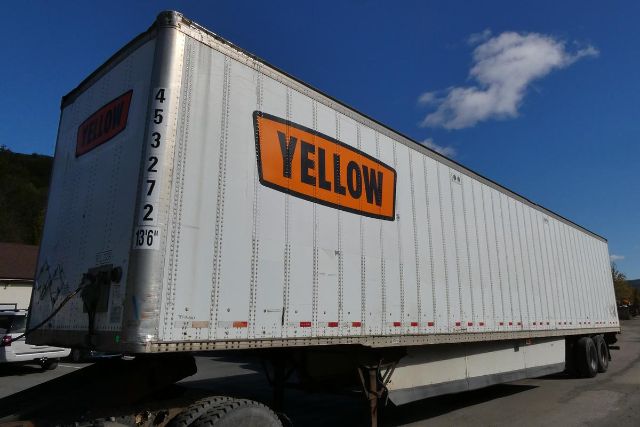
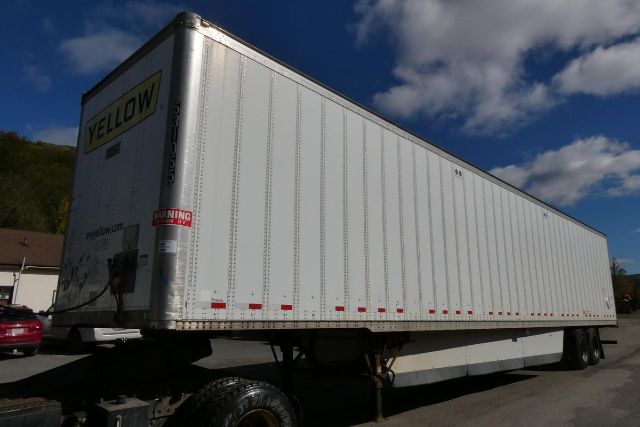
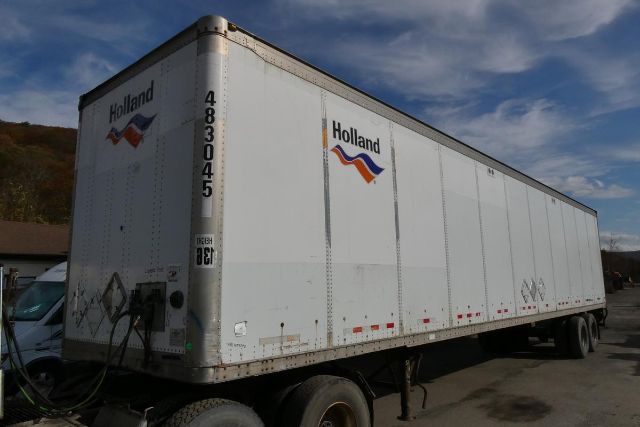
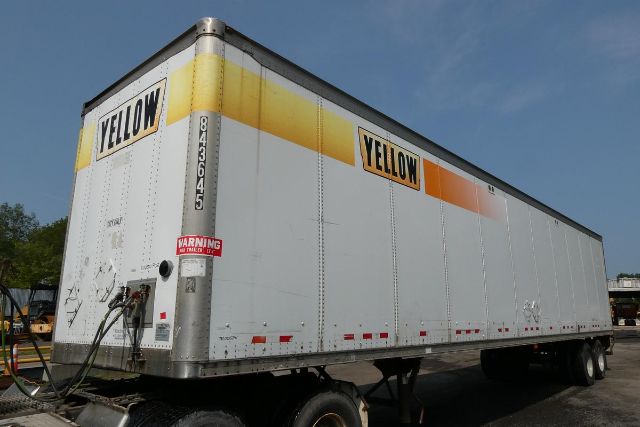
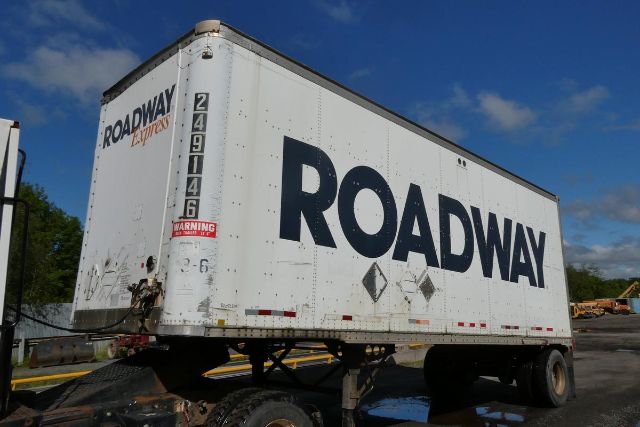
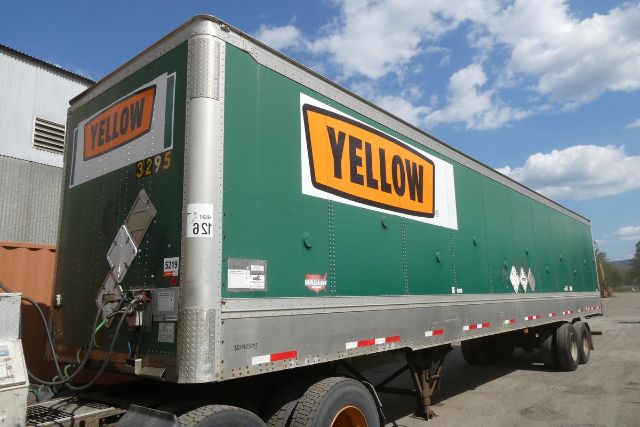
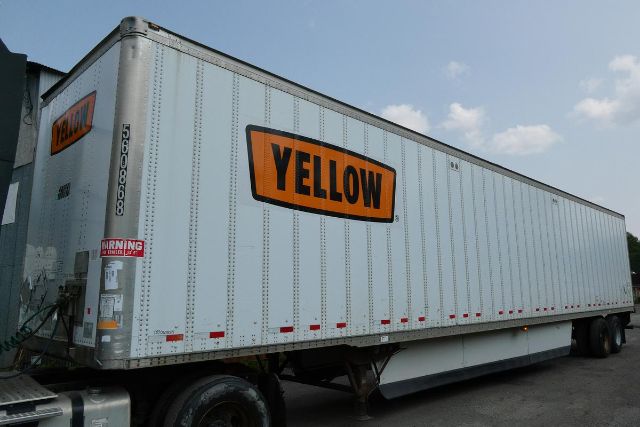
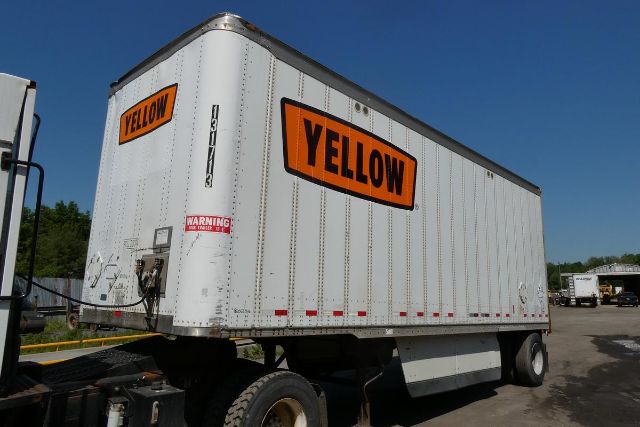
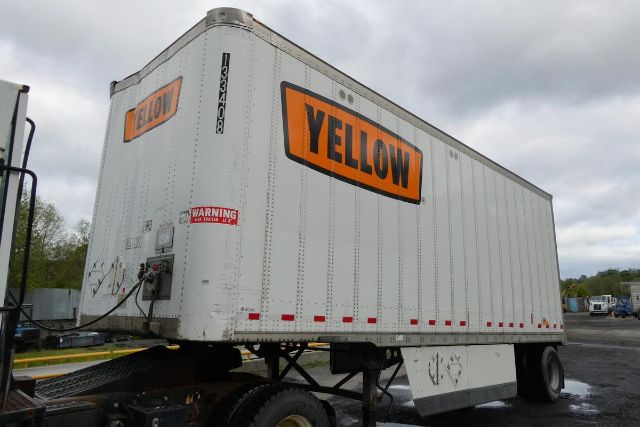
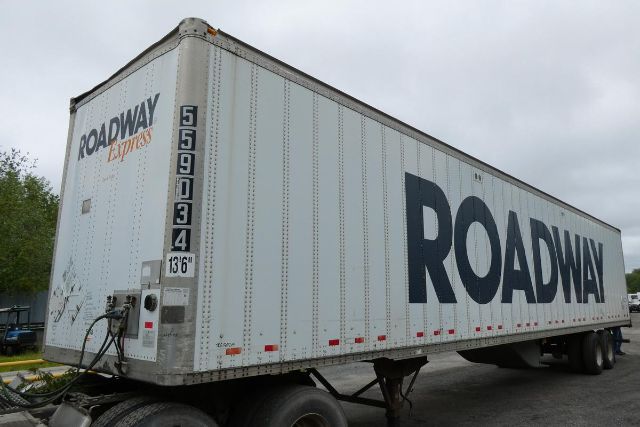
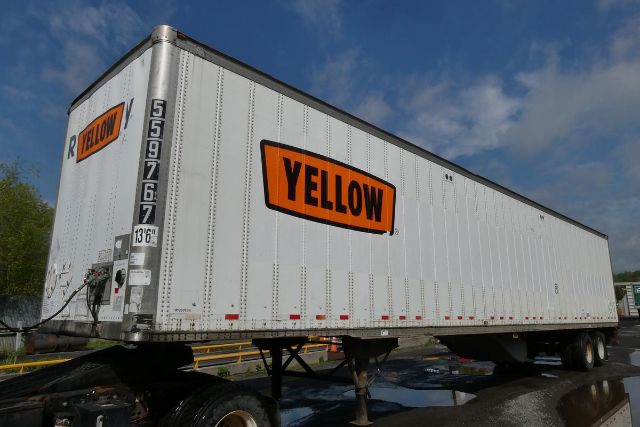
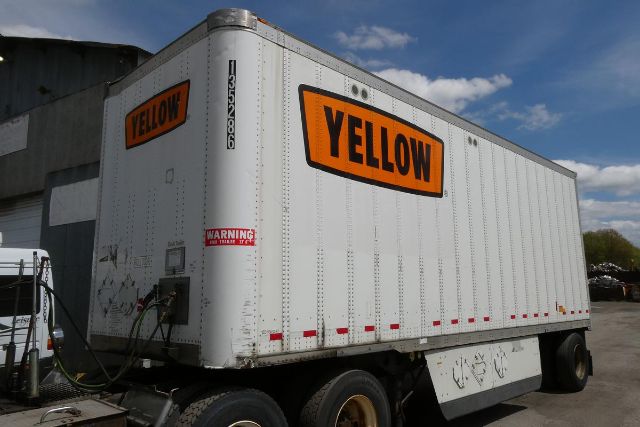
Showing 97 to 108 of 115 results
Have used wabash trailer to sell? List it here to reach thousands of buyers.
About Used Wabash Trailers in New York
A buyer should pay close attention to axle configuration first. Slideable closed tandems are common on full-length Wabash vans and matter for bridge law compliance, weight distribution, and dock approach flexibility. Fixed single-axle pup trailers are also common for P&D work and doubles operations, especially where tighter urban delivery routes or terminal-to-terminal freight moves are part of the job. Suspension type, wheel-end spec, and tire size also affect long-term operating cost. Listings in this category often show spring suspension, 10-bolt hub-pilot steel wheels, and 275/80R22.5 or 295/75R22.5 tires, all of which are straightforward, widely supported specs for used trailer ownership.
Body condition is where one used Wabash trailer can separate itself from another. Buyers should inspect the roof, front wall, side panels, rear frame, and door hardware closely, especially on older dry van units that have seen heavy dock use. Roll-up doors are common and convenient for multi-stop freight, but they need to be checked for track wear, hinge condition, cable balance, and header damage. Floor condition is just as important. Wood and steel floor systems can hold up well, but forklift traffic, moisture intrusion, and rot around thresholds or crossmember attachment points can turn a cheap trailer into an expensive one. Scuff liners, logistics posts, side windows, and aerodynamic skirts may also appear depending on prior application.
For New York buyers, trailer height, overall length, and operating environment matter more than they do in many other states. A 13-foot-6-inch van may be standard for highway freight, but regional routes with older industrial sites, city access restrictions, or low-clearance concerns can make lower-height or shorter trailers more practical. A 28-foot Wabash pup can fit LTL, city delivery, and doubles applications, while 48-foot and 53-foot vans remain the standard for linehaul and higher cube freight. The right used Wabash trailer comes down to matching cubic capacity, empty weight, axle layout, and structural condition to the freight you actually move, not just the lowest purchase price.
Frequently Asked Questions
What are the most common types of used Wabash trailers on the market?
The most common used Wabash trailers are dry van trailers, including 53-foot, 48-foot, 45-foot, and 28-foot pup configurations. Full-size vans are typically used for general freight and linehaul work, while pup trailers are often used in LTL, city delivery, and doubles service. Many used Wabash dry vans have aluminum and steel construction, wood-over-steel floors, air brakes, and either slideable tandem or fixed single-axle setups.
What should I inspect first on a used Wabash dry van trailer?
Start with structural and water-intrusion areas. Check the roof for patches, cracking, or leaks, then inspect the front wall, side sheets, rear frame, and floor for damage from forklifts, dock impact, and corrosion. Pay close attention to crossmembers, threshold condition, door frame alignment, and suspension mounting points. On roll-up door units, inspect the tracks, hinges, rollers, and door balance because rear-door repairs can add up quickly on an older van.
Is a slideable tandem better than a fixed axle on a used Wabash trailer?
A slideable tandem is usually the better choice for highway freight because it gives more flexibility for axle weight distribution, bridge law compliance, and loading patterns. It is especially useful when freight weights vary by lane or customer. A fixed axle can still be the right spec for shorter trailers, terminal use, or dedicated applications where simplicity and lower maintenance matter more than adjustability. The better setup depends on your route structure, freight profile, and state bridge requirements.
Are older Wabash trailers expensive to maintain?
Maintenance cost depends more on condition and prior use than model year alone. Older Wabash trailers can remain cost-effective if the structure is sound, the floor is solid, and the running gear has been maintained. Wear items such as brakes, tires, bushings, wheel seals, door hardware, and lighting are predictable trailer expenses. Bigger cost risks usually come from hidden floor damage, roof leaks, rear frame impact, and corrosion around crossmembers or slider components.
Which trailer length makes the most sense for freight in New York?
That depends on where and how the trailer will run. A 53-foot dry van offers the most cube for linehaul and dock-to-dock freight, but it can be less practical in dense urban areas or older industrial zones. A 48-foot or 45-foot trailer can be easier to maneuver while still offering strong cargo capacity. A 28-foot pup is often the best fit for city routes, P&D work, and doubles operations. Buyers in New York should consider bridge compliance, street access, facility layout, and low-clearance exposure before choosing length and height.