
Used Wabash Trailers For Sale in Nebraska
Browse used Wabash trailers for sale in Nebraska, including dry vans and other fleet-proven trailer configurations built for freight efficiency.
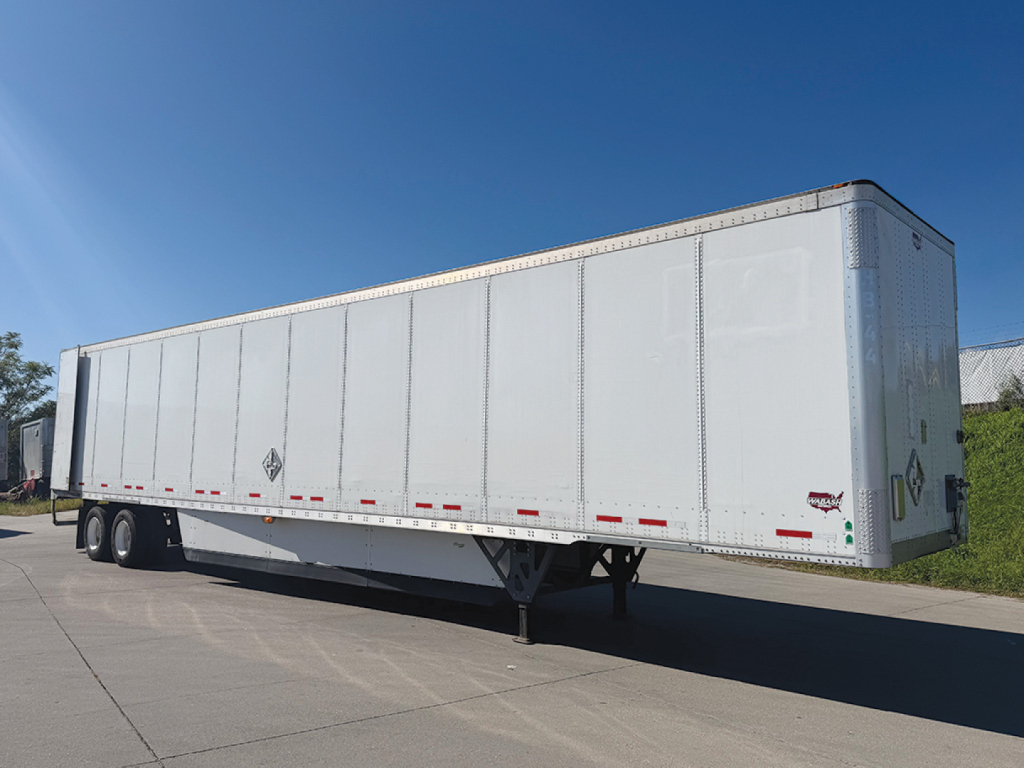
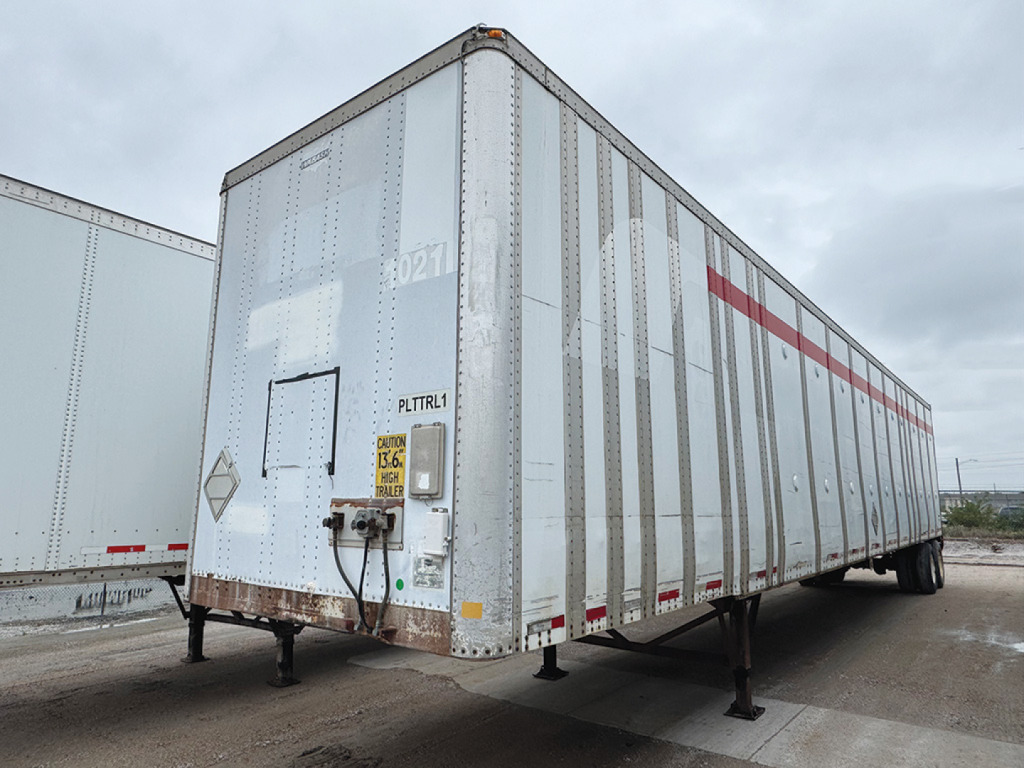
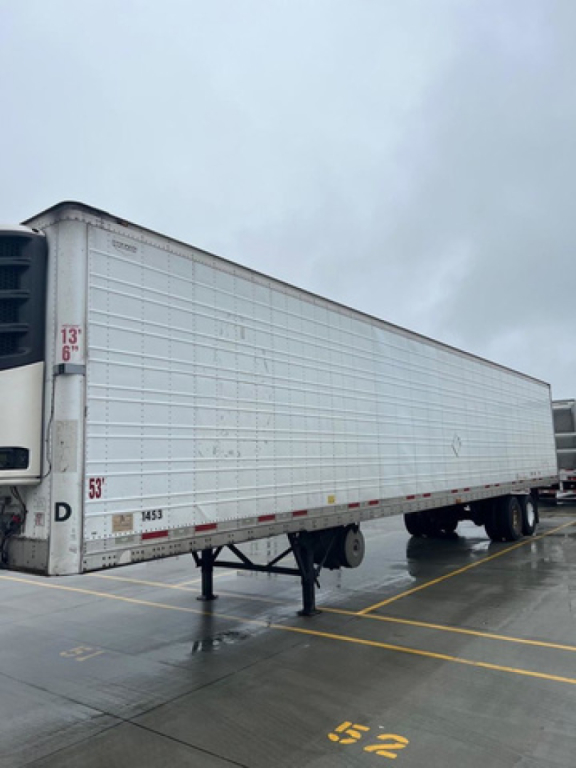
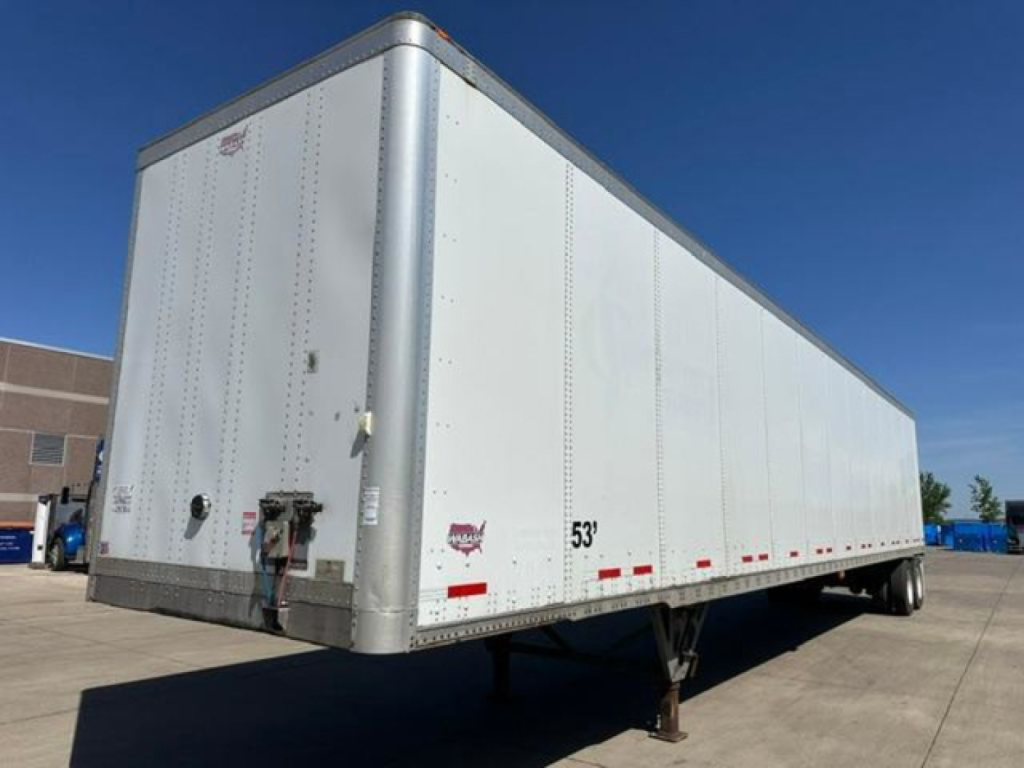
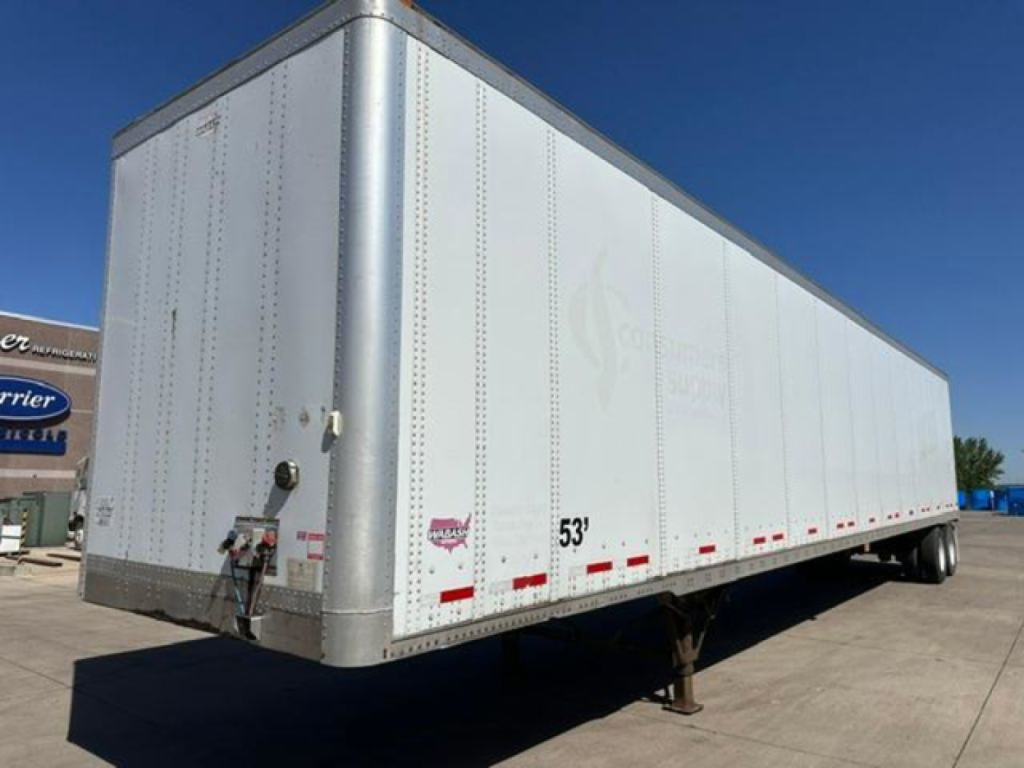
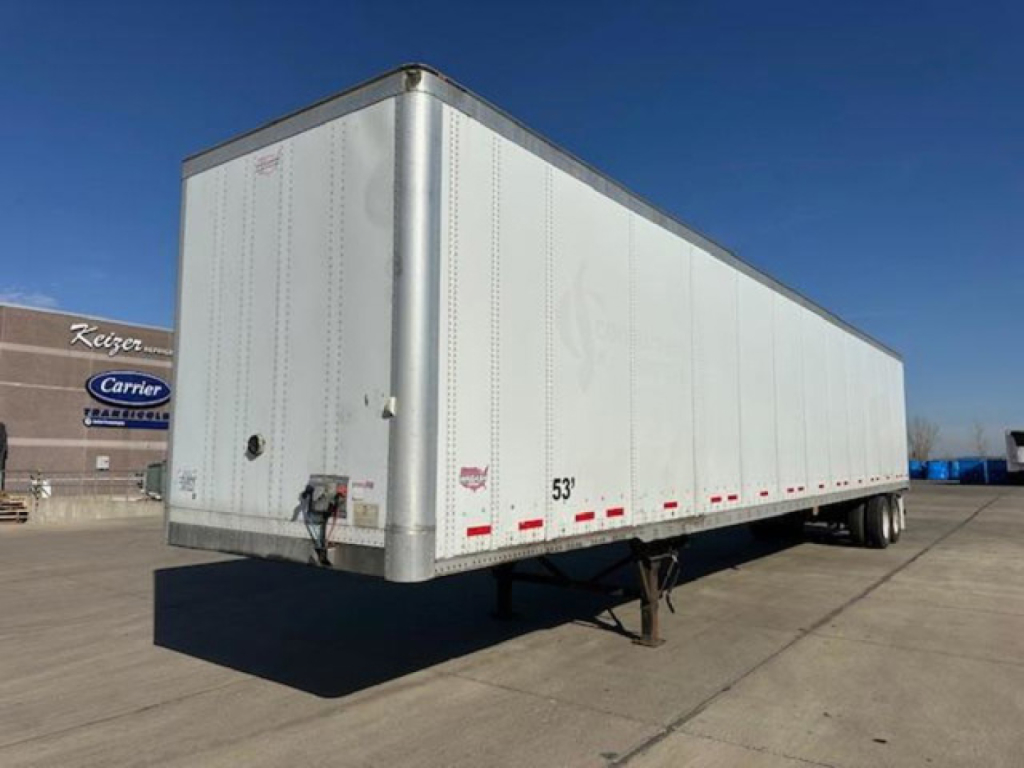

Selling a used wabash trailer? List your used wabash trailer for sale and reach thousands of commercial buyers.
Used Wabash Trailers in Nebraska
For a buyer comparing used Wabash trailers, condition matters more than model year alone. Tire tread depth, suspension type, roof condition, rear frame integrity, floor wear, and door operation all affect day-to-day cost. On a used dry van, inspect the floor for soft spots from concentrated forklift traffic, check scuff liner and wall condition for punctures or delamination, and look closely at the roof bows and seams for past leaks or impact damage. If the trailer has a roll-up door, verify smooth travel and measure clear opening height, since that can matter at certain docks. Air ride suspension is common on fleet-spec vans and helps protect cargo while reducing shock through the trailer structure.
Nebraska buyers often need trailers that can handle a mix of interstate miles, seasonal weather swings, and agricultural or consumer freight. A used Wabash van trailer can be a solid fit for regional haul, long-haul, and warehouse distribution work because the platform is familiar to most maintenance shops and easy to integrate into a mixed trailer pool. Standard spec items such as tandem axle layouts, logistics posts, duct floors, and dock-height rear frames make them versatile across many shippers. If payload is a priority, compare empty weight and floor rating carefully, since small spec differences can change what the trailer is best suited to haul.
The best used Wabash trailer for your operation depends on freight type, loading method, and how hard the trailer will cycle each week. Dry freight operations may prioritize interior cube, clean lining, and a watertight roof, while higher-touch delivery work may put more value on door configuration and rear frame durability. Buyers should also confirm brake condition, ABS function, lighting, VIN plate readability, and signs of prior accident repair. A well-maintained used Wabash trailer can deliver dependable service for years if the structure, running gear, and cargo area match the job.
Frequently Asked Questions about Used Wabash Trailers in Nebraska
What should I inspect first on a used Wabash dry van trailer?
Start with the structural and cargo-critical areas. Check the floor for forklift damage, rot, or soft spots, inspect the roof and seams for leaks, and examine the sidewalls for punctures, repairs, or delamination. Then move to the rear frame, door hardware, suspension, brakes, tires, and lights. On a used trailer, these items usually tell you more about remaining service life than the model year by itself.
Are Wabash trailers a good fit for general freight in Nebraska?
Yes. Wabash trailers are widely used in general freight service and are well suited to Nebraska operations that mix interstate miles, warehouse loading, and seasonal weather exposure. Their common fleet specifications make them easy to match with standard docks and loading practices, and parts and service familiarity are generally strong. The key is choosing a trailer with the right floor rating, interior condition, and suspension setup for the freight you plan to haul.
Is air ride suspension worth it on a used Wabash trailer?
For many operations, yes. Air ride suspension helps reduce cargo shock and can be beneficial for freight that is palletized, sensitive, or claims-prone. It also tends to be preferred in many fleet applications because it contributes to a smoother ride and can reduce stress transmitted through the trailer body. Buyers should still inspect the air system, suspension components, and ride height setup carefully, because wear or neglect can offset the advantages.
What is the difference between a roll-up door and swing doors on a van trailer?
A roll-up door can be convenient at tight docks and in multi-stop delivery work because it does not swing outward behind the trailer. The tradeoff is reduced rear opening height and more moving parts to maintain. Swing doors typically provide a larger clear opening and are often preferred when maximum loading access is important. The better choice depends on your dock environment, freight dimensions, and how often the rear door is used each day.
How important is tire and brake condition on a used trailer purchase?
Tire and brake condition directly affects safety, compliance, and near-term operating cost. Uneven tread wear can point to alignment, suspension, or axle issues, while low tread depth means immediate replacement expense. Brake lining, drums or rotors, wheel seals, ABS operation, and air system condition should all be checked before purchase. On a used trailer, these running gear items can quickly change the real cost of ownership after the sale.