
Used Wabash Van Trailers For Sale in Nebraska
Browse used Wabash van trailers for sale in Nebraska, including 53-foot dry vans with air ride, roll-up doors, and common fleet-ready specs.
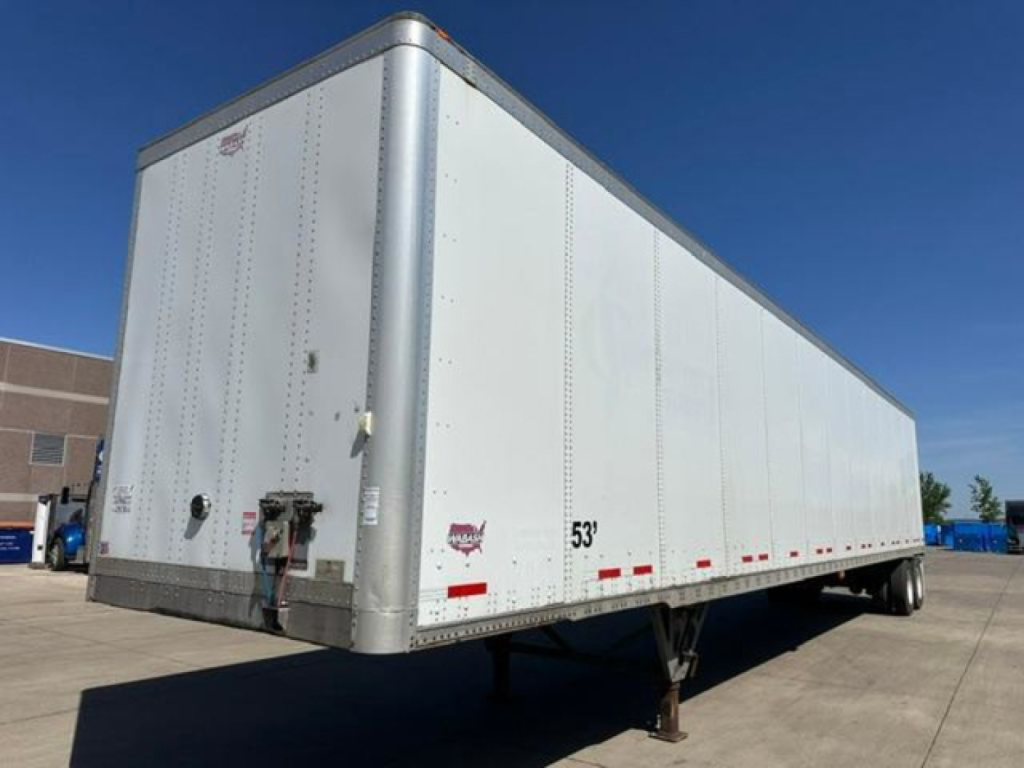
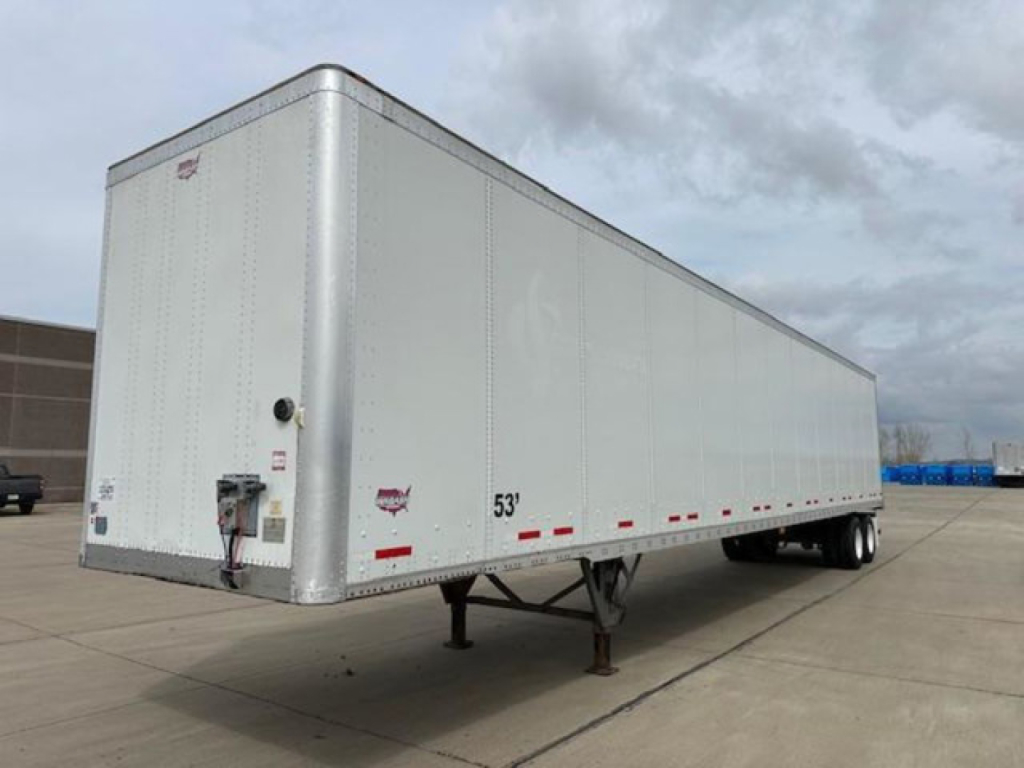
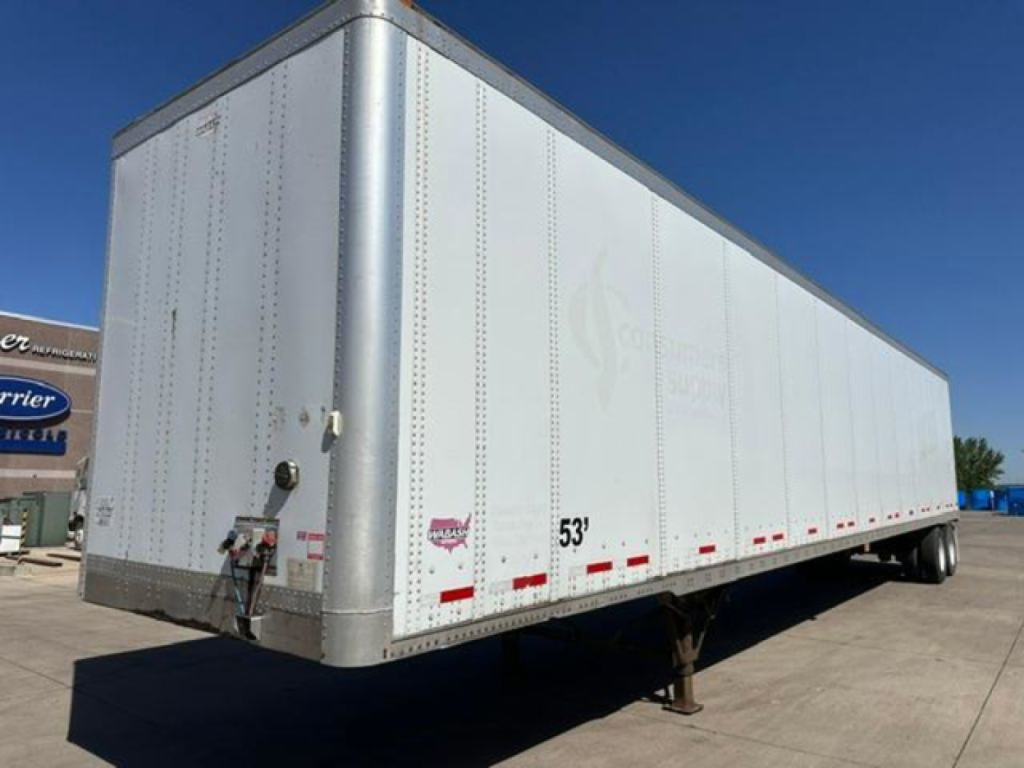
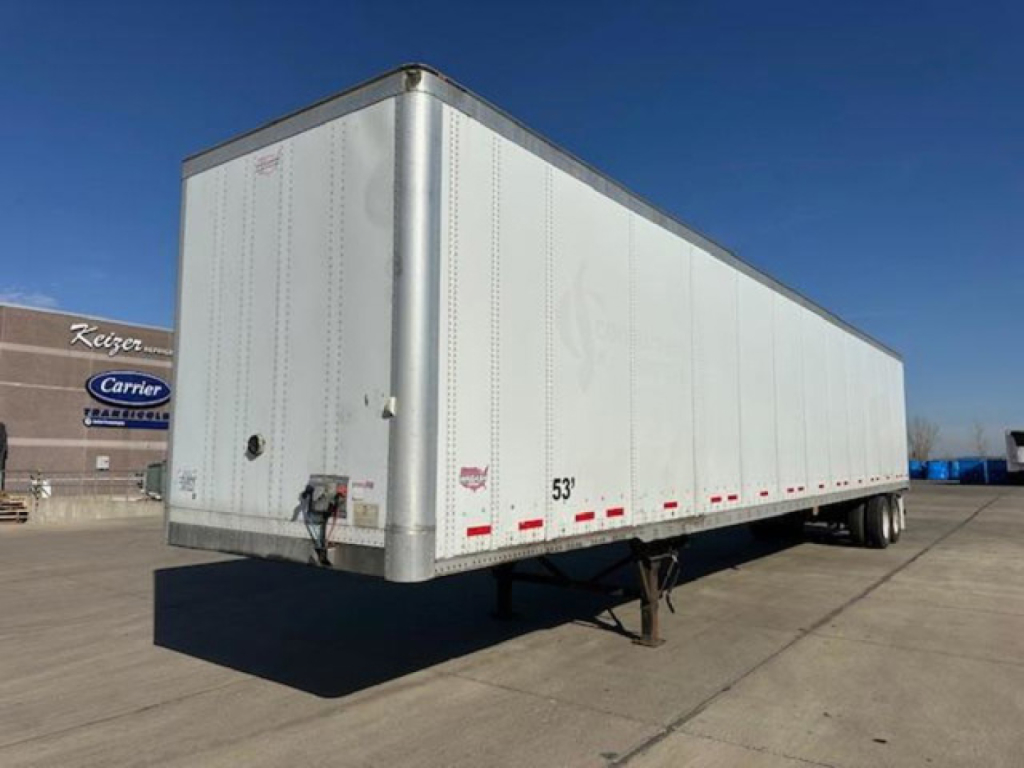
Have used wabash van trailer to sell? List it here to reach thousands of buyers.
Used Wabash Van Trailers in Nebraska
The details that matter most on a used Wabash dry van usually come down to door style, suspension, roof condition, and interior wear. Roll-up doors are popular in multi-stop delivery and dock-heavy applications because they reduce swing clearance issues and hold up well in urban freight environments. Air ride suspension helps protect cargo and is often preferred for higher-value freight or shippers with stricter ride-quality expectations. A translucent roof can improve interior visibility during loading, while plastic liner packages help protect sidewalls from pallet scuffing and forklift contact. Tire condition, measured in remaining tread depth, should be reviewed closely along with brake life, wheel-end service history, floor condition, and signs of previous wall or roof repair.
In Nebraska, buyers often need van trailers that can handle a mix of long interstate miles, agricultural support freight, and regional warehouse distribution. That makes underbody condition, suspension performance, and trailer tracking especially important. Check for consistent tire wear across positions, inspect crossmembers and landing gear, and look at the rear frame area for dock impact damage. Kingpin wear, tandem slider function, door seal condition, and ICC bumper integrity should all be part of the evaluation. If the trailer will be used across multiple shippers, interior cleanliness, floor rating, and logistics-friendly specs like swing clearance and dock compatibility can matter just as much as cosmetic appearance.
A used Wabash van trailer is usually a practical fit for fleets and owner-operators who need a standard dry van with readily understood specs and resale appeal. The best unit for the job depends on freight type, stop frequency, and how hard the trailer will be cycled. For drop-and-hook freight, fleet-standard 53-foot air ride vans remain the default choice. For route work with frequent unloading, buyers often prioritize roll-up doors, liner protection, and a clean, dry interior. A careful review of maintenance history and structural condition will tell you more than model year alone.
Frequently Asked Questions about Used Wabash Van Trailers in Nebraska
What should I look for first when buying a used Wabash van trailer?
Start with the structural and operating fundamentals. Inspect the roof, floor, sidewalls, rear frame, landing gear, and suspension before focusing on cosmetic condition. Check the kingpin, tandem slider operation, brake condition, tire tread depth, wheel ends, and door seals. On a dry van, floor integrity and signs of past wall or roof repairs are especially important because they directly affect freight protection and trailer life.
Are roll-up doors better than swing doors on a used dry van trailer?
Roll-up doors are often preferred for city freight, dock routes, and operations where space behind the trailer is limited. They improve access in tight areas and reduce the risk of door damage from repeated opening at crowded docks. Swing doors can be lighter and simpler, but for many fleet dry vans, roll-up doors are a practical spec when the trailer sees frequent loading and unloading.
Why is air ride suspension common on Wabash van trailers?
Air ride suspension helps reduce cargo shock and improves ride quality compared with harsher suspension types. That matters for palletized consumer goods, packaged freight, and shippers that want better protection for sensitive loads. It is also a common fleet specification, which helps when matching trailers across a broader pool and can support resale value in the used market.
How important is the interior liner in a used van trailer?
Interior liner condition matters because it helps protect the trailer walls from pallet rub, shifting freight, and forklift contact. Plastic liner packages are common on dry vans used in distribution service because they can reduce wall damage and help keep the trailer more presentable over time. A liner does not replace the need to inspect the actual wall structure, but it is still a useful feature for buyers planning regular dock work.
Is a 53-foot used Wabash van trailer the standard choice for dry freight?
Yes. A 53-foot dry van is the standard trailer length for a large share of over-the-road and regional freight in the U.S. It offers strong cubic capacity, broad shipper acceptance, and compatibility with common dock and warehouse operations. For most buyers comparing used Wabash van trailers, the decision is less about length and more about door type, suspension, roof specification, floor condition, and overall maintenance history.